SHOP THE COLLECTION
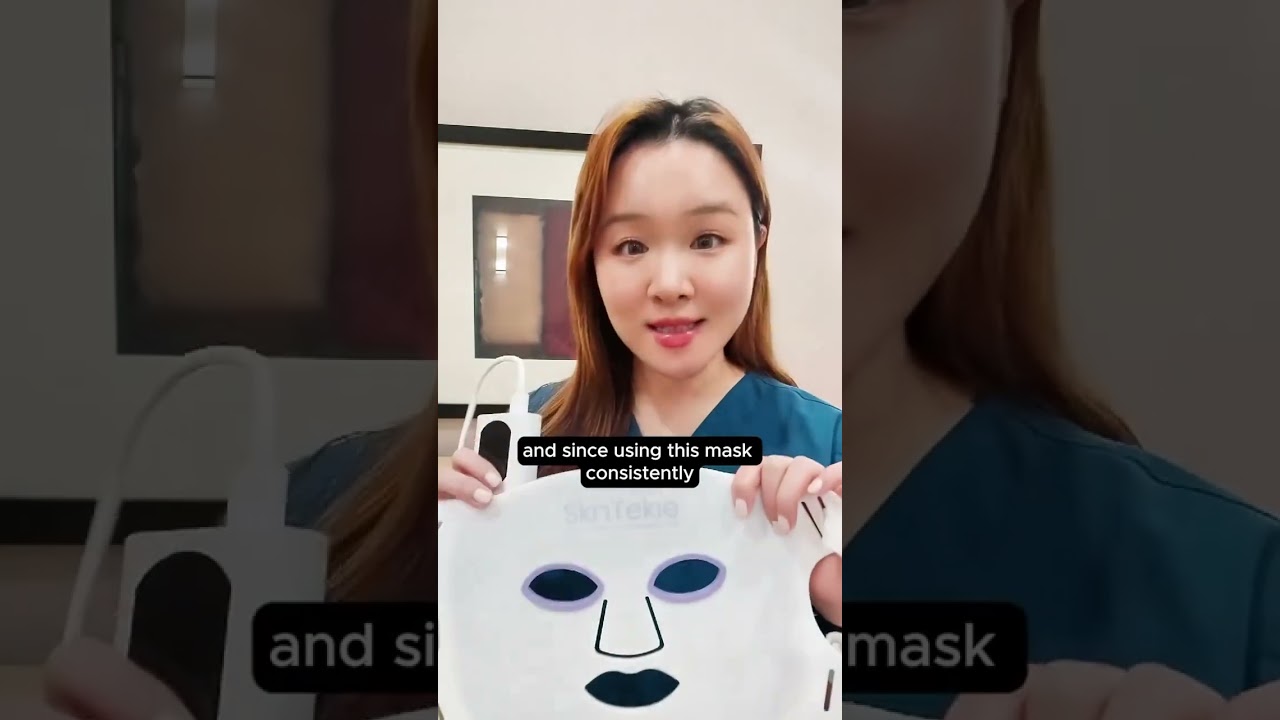
Skintekie LED Face Mask
Most LED face mask listings ask you to trust an adjective. Ours asks you to read a number. Every specification that determines whether an at-home light therapy device is worth owning — LED count, wavelengths, session control, power — is published on this page and on the product page, because those are the figures that actually separate one mask from another.
What to check before you buy any LED face mask
The category is crowded and most listings describe the same handful of things in the same vague language. These are the specifications that let you tell two masks apart.
1. Wavelengths, stated in nanometres
"Red light" and "blue light" are colour names, not specifications. The number that matters is the wavelength in nanometres, because that determines how deep into the skin the light reaches. Red sits around 630nm, near-infrared around 830nm and travels deeper, and blue sits around 415nm at the shallow end. A listing that names colours but never names nanometres is withholding the only part of the description that means anything.
2. Whether blue is included at all
Red and near-infrared are near-universal in this category. Blue is considerably less common, and several of the best-known flagship masks ship without it. If your routine is built around clarity rather than firmness, a red-and-near-infrared-only mask is not the same product, however premium the brand.
3. Whether you control the session, or the device does
Many masks ship with fixed programmes — a 3-minute cycle, a 10-minute cycle, take it or leave it. A device with an adjustable timer and adjustable brightness lets you start gently and build up, which matters more than most people expect on sensitive skin.
4. LED count and where those LEDs sit
Count is meaningful only alongside coverage. A number that quietly includes a neck attachment is not comparable to a number for the face unit alone. Ask which figure you are reading.
5. Corded or cordless
A mask tethered to a wall socket is a mask you use sitting still. Check the battery capacity, not just the word "rechargeable".
6. Regulatory status
In the US, at-home LED devices in this class go through the FDA's 510(k) clearance pathway. Clearance is not the same thing as FDA approval, and brands sometimes blur the two. It is worth knowing which one is actually being claimed.
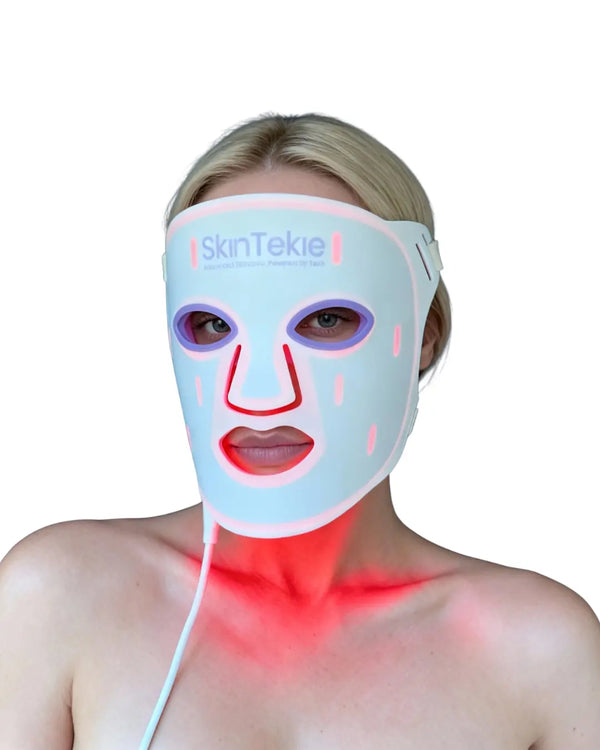
The Skintekie LED Face Mask, specified
| LEDs | 114 |
| Modes | Six — Red, Blue, Near-infrared, Red + Blue, Red + Near-infrared, All |
| Red | 630nm |
| Blue | 415nm |
| Near-infrared | 830nm |
| Brightness | Adjustable, 0–100% |
| Timer | Adjustable, 1–30 minutes |
| Battery | 4000 mAh, rechargeable via micro-USB |
| Power | Max 7W |
| Material | Silicone |
| Weight | 395g |
| Size | 320 × 210mm |
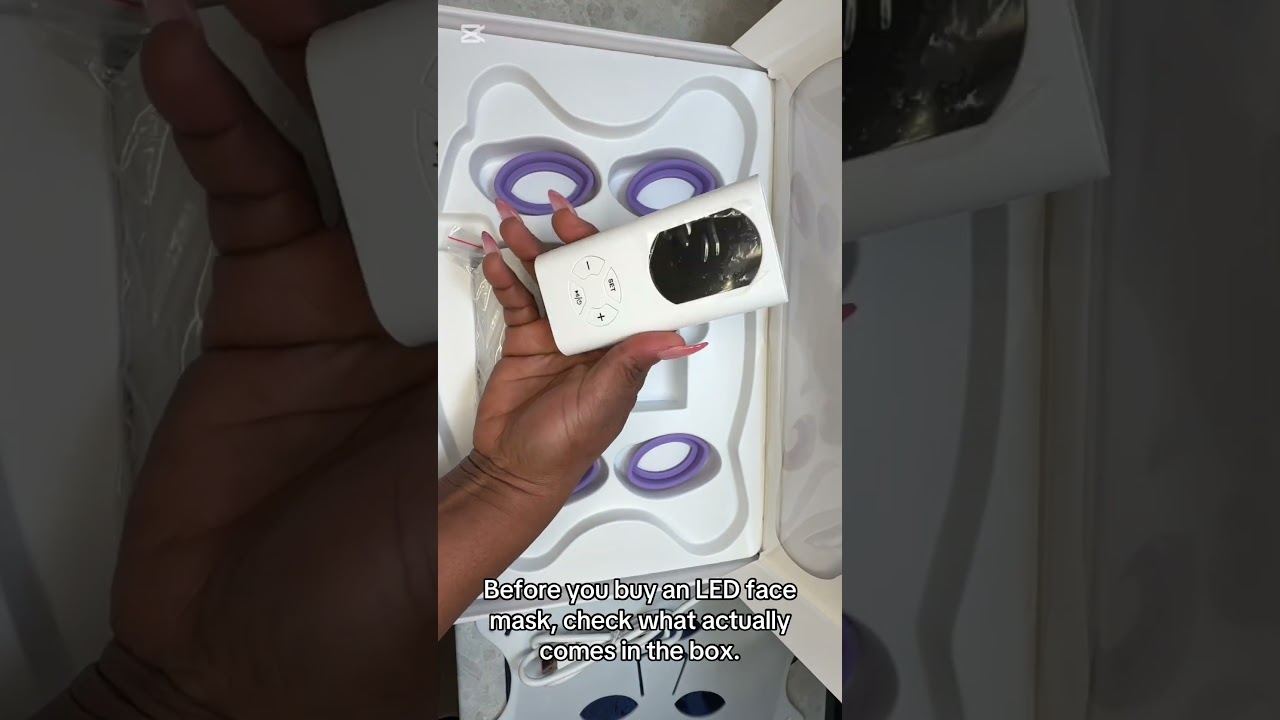
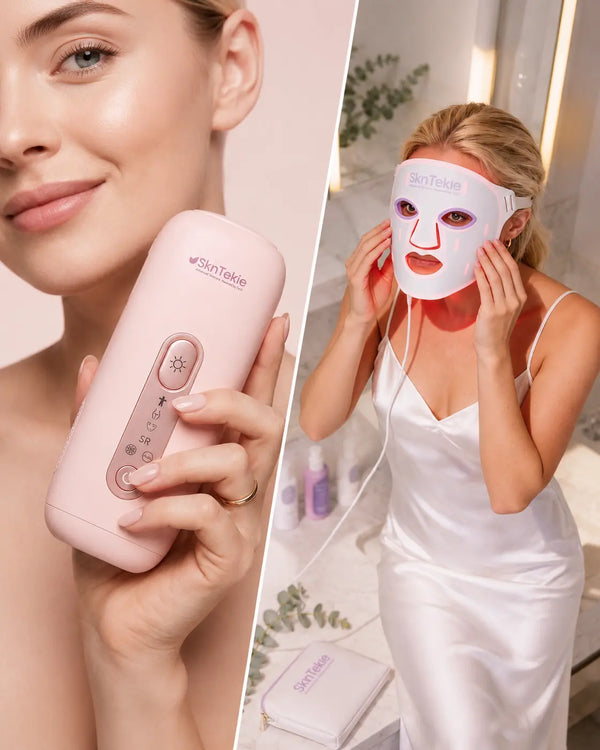
| In the box | Mask, remote control, velcro straps, two pairs of silicone eye protectors, micro-USB cable, drawstring bag, manual |
| Certification | FDA-cleared · CE · FCC · RoHS |
| Warranty | 1 year |
| Price | $239 |
That is the whole spec sheet, not the flattering half of it. You can take those numbers to any competitor's page and compare like for like — which is harder than it sounds, because most of them do not publish this much.
The six modes, and when people reach for them
- Red (630nm) — the default mode for most routines, and the one people run most days.
- Blue (415nm) — the shallow, visible-blue mode. This is the one people add when their routine is focused on clarity rather than firmness, and the one most commonly missing from competing masks.
- Near-infrared (830nm) — invisible to the eye and the deepest-reaching of the three. You will see almost nothing while it runs; that is expected.
- Red + Blue — reads as pink. Both wavelengths in one session.
- Red + Near-infrared — the combination people settle into for longer-term routines.
- All — every array at once.
If you want a longer breakdown of how the three wavelengths differ and how to pick between them, we wrote one: Red light, blue light and near-infrared — which mode does your skin need?
What $239 works out to in practice
The useful way to think about an at-home device is cost per session rather than sticker price. At four sessions a week, a year of use is roughly 208 sessions, which puts the mask at about $1.15 a session across that first year — and the device does not stop at twelve months. Compare that against the per-visit cost of the in-clinic equivalent in your city and the arithmetic usually settles the question.
This is also why we do not position on being the cheapest. There are $60 masks. They tend not to publish this much either.
Who this suits — and who should skip it
It suits you if you want a device with the full three-wavelength set including 415nm blue, you want the specifications in writing before you spend, and you will realistically use it several times a week.
Skip it if you are looking for an overnight change, if you are not going to keep a routine, or if you are pregnant or have a photosensitive condition or are taking a photosensitising medication — in those cases speak to your doctor before using any light therapy device, ours included. We would rather lose the sale than have you buy something that is not right for you.
Shop with Confidence
At Skintekie, we’re committed to helping you achieve your skincare goals. Our LED face masks come with a satisfaction guarantee and are backed by glowing reviews from thousands of happy customers.
Common questions
How often should I use it?
Most routines land at three to five sessions a week. More is not automatically better, and there is a point of diminishing returns. We covered the frequency question properly in the frequency guide.
How long is a session?
You decide — the timer runs from 1 to 30 minutes, and brightness adjusts from 0 to 100%. Most people settle around 10 minutes once their skin is used to it.
Is it cordless?
Yes. A 4000 mAh rechargeable battery, charged over micro-USB, with a remote control in the box.
How long before I notice anything?
Light therapy is cumulative and slow. Anyone promising a transformation in a week is selling something. Here is a realistic timeline.
Is it safe for darker skin tones?
LED light therapy does not work the way IPL does and is not restricted by skin tone in the same way. We wrote up what is actually safe for deeper skin tones in 2026.
Why does it feel warm?
Mild warmth is normal. There is a difference between normal warmth and a warning sign, and we set out where that line is.
What does FDA-cleared actually mean here?
It is not the same thing as FDA approval, and the distinction matters. Full explanation of what the clearance covers.
What if it is not for me?
Returns are handled under our return policy.
Compare it properly before you commit
We would rather you buy after a comparison than on a claim. These pages put the Skintekie mask against the alternatives on specification, including the ones where a competitor genuinely wins:
- Best LED face mask 2026 — picks by skin concern and budget
- Skintekie vs Omnilux vs CurrentBody vs Dr. Dennis Gross
- Skintekie vs HigherDOSE
- Skintekie vs Therabody TheraFace
- The best FDA-cleared masks under $300
- If your routine is focused on clarity
- If your routine is focused on firmness and fine lines
- Looking specifically for an Omnilux alternative

Free shipping
US & Canada

30-day returns
Money-back guarantee

FDA cleared
Clinically tested

Pay in 4
Interest-free