LED Face Masks and IPL for Dark Skin: What's Actually Safe in 2026?
If you have a deeper skin tone, you've probably hit the same wall of confusing advice: "LED masks are great for everyone!" right next to "IPL isn't safe for dark skin." Both can be true at the same time — because LED light therapy and IPL hair removal work in completely different ways. This is one of the most common questions we get in 2026, so here's a clear, science-backed breakdown of what's actually safe for melanin-rich skin (Fitzpatrick types IV–VI), and how to use each device the smart way.
The key difference: light that heats melanin vs. light that bypasses it
The whole safety conversation comes down to how each technology interacts with melanin, the pigment that gives skin its color.
- IPL (Intense Pulsed Light) works through selective photothermolysis — it deliberately heats pigment. For hair removal, that's the point: the light targets the melanin in the hair follicle. The catch is that very dark skin also holds a lot of melanin, so the device can struggle to tell hair from skin, raising the risk of burns or post-inflammatory hyperpigmentation.
- LED light therapy (especially red and near-infrared) does the opposite. Red (around 630–660 nm) and near-infrared (around 810–850 nm) wavelengths largely bypass melanin and target the mitochondria inside skin cells. There's no heat-based pigment targeting, which is why red light therapy is generally considered safe across all Fitzpatrick skin types, including IV–VI.
So the short version: LED masks are broadly skin-tone friendly; IPL needs more care on deeper tones. Let's look at each.
LED face masks on dark skin tones

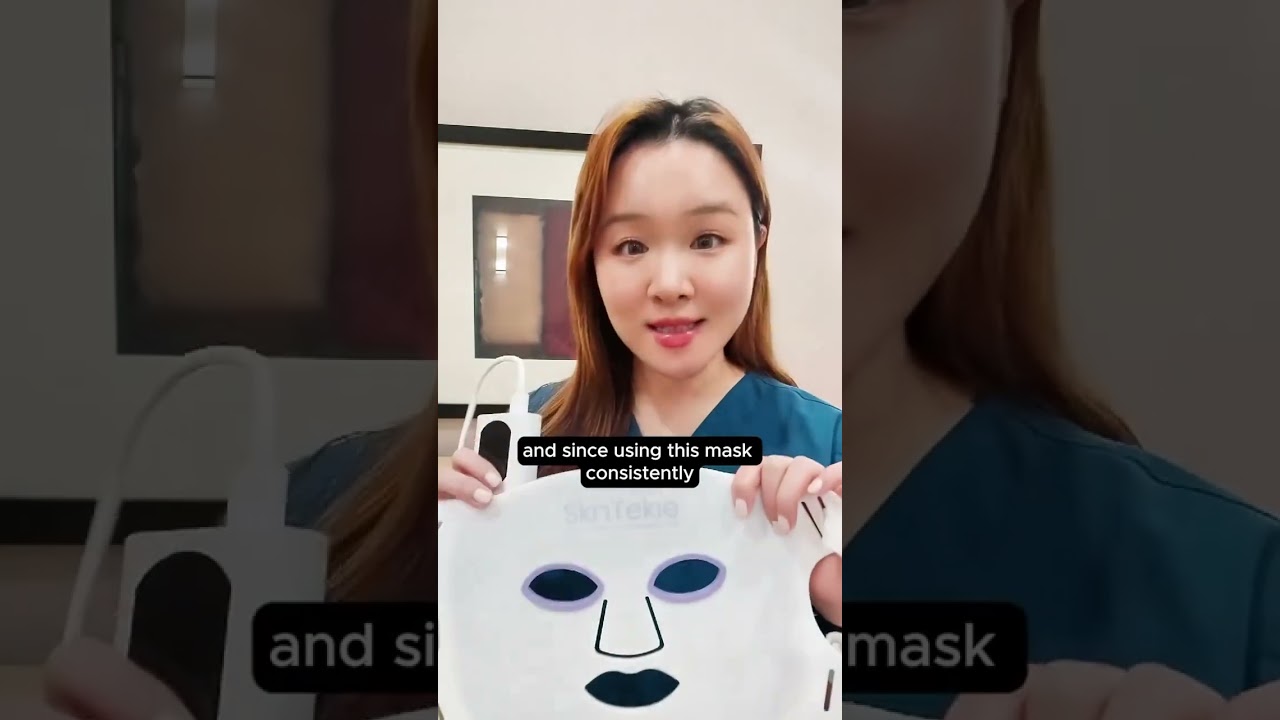
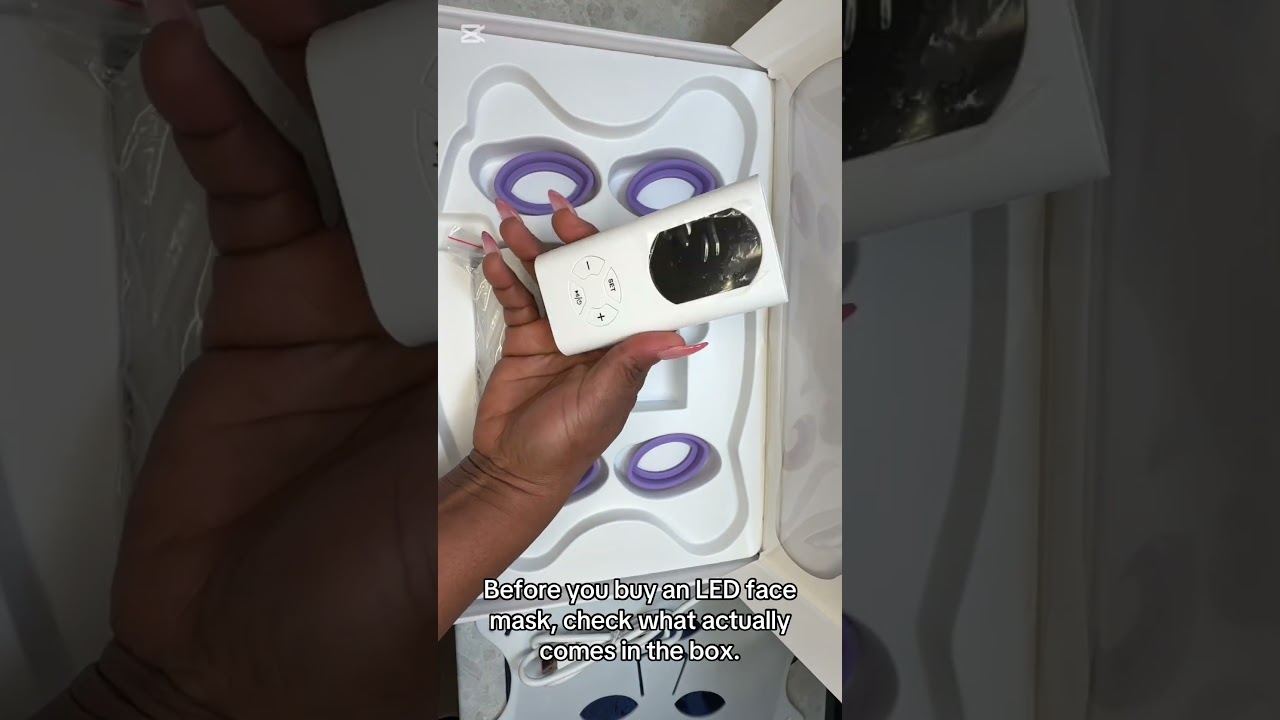
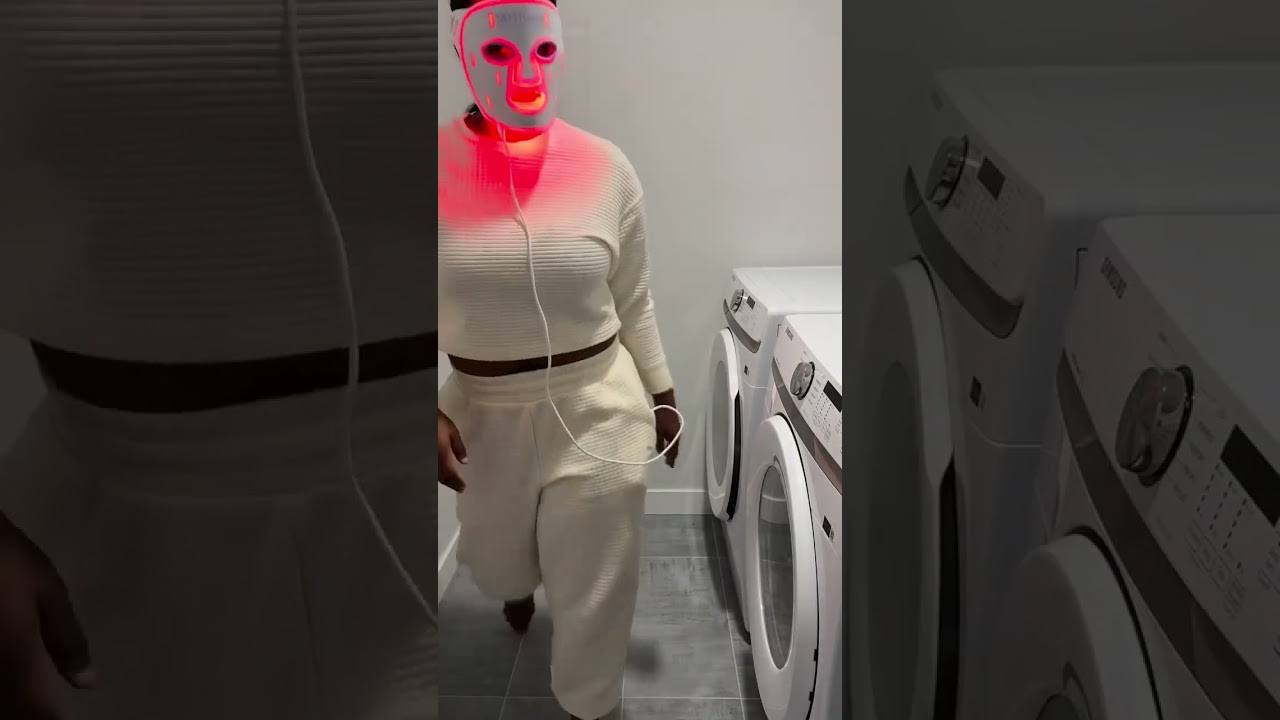
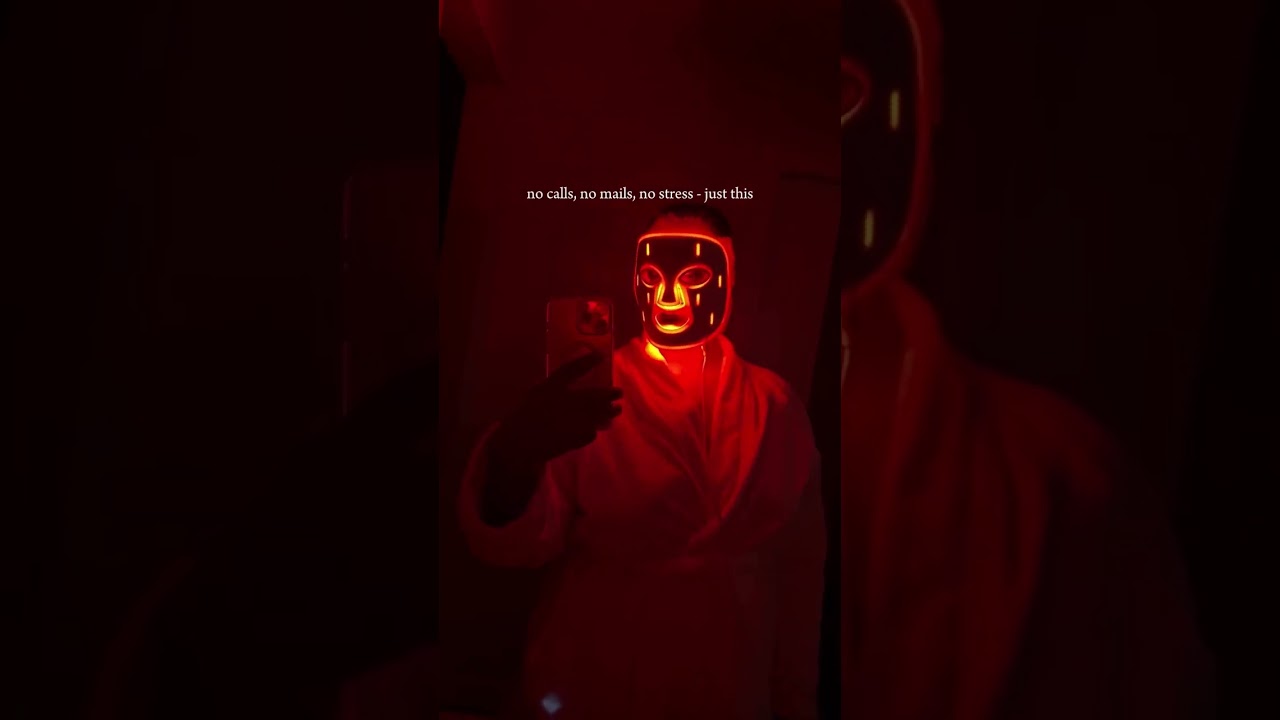
Because red and near-infrared light don't rely on heating pigment, LED masks like the Skintekie LED Face Mask are one of the few skincare devices that work consistently across skin tones. They support collagen, calm inflammation, and can help with breakouts and uneven texture without the burn risk that comes with light-based heat treatments.
A few things to keep in mind for melanin-rich skin:
- Lean on red and near-infrared modes. These have the strongest evidence and the lowest pigmentation risk. If you're ever unsure, red light only is the safe default.
- Go easy on blue light. Blue light is useful for acne-causing bacteria, but some research suggests shorter wavelengths can nudge pigmentation up in melanin-rich skin. Use it sparingly and in combination with red/near-infrared rather than on its own. (We break this down in our guide to red, blue, and near-infrared modes.)
- Consistency beats intensity. Real results come from 3–5 short sessions a week over 4–12 weeks — not from one long session. See our frequency guide for a simple schedule.
If you have a light-sensitive condition (like lupus) or take photosensitizing medication, check with your doctor before starting any light therapy, regardless of skin tone.
IPL hair removal on dark skin tones

IPL is more nuanced. It works best on the classic combination of light-to-medium skin with dark hair, where there's a clear contrast between pigment in the hair and pigment in the skin. As tones get deeper, that contrast shrinks and the risk rises.
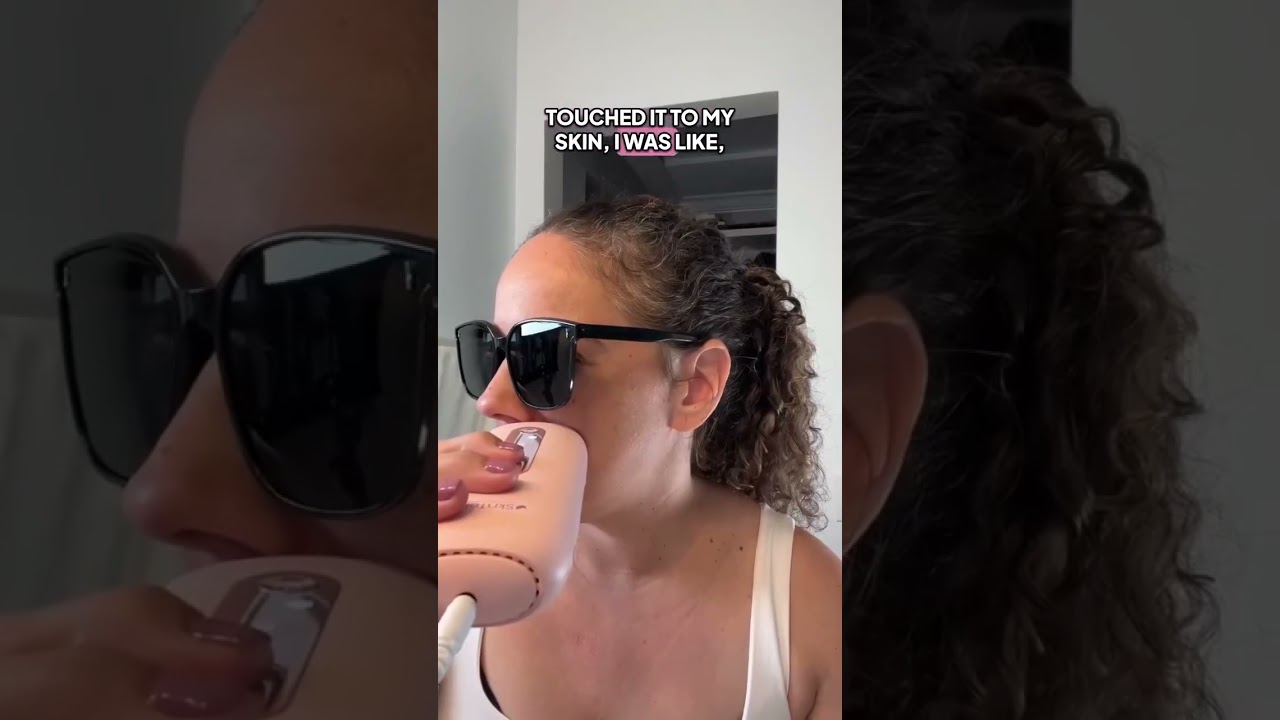
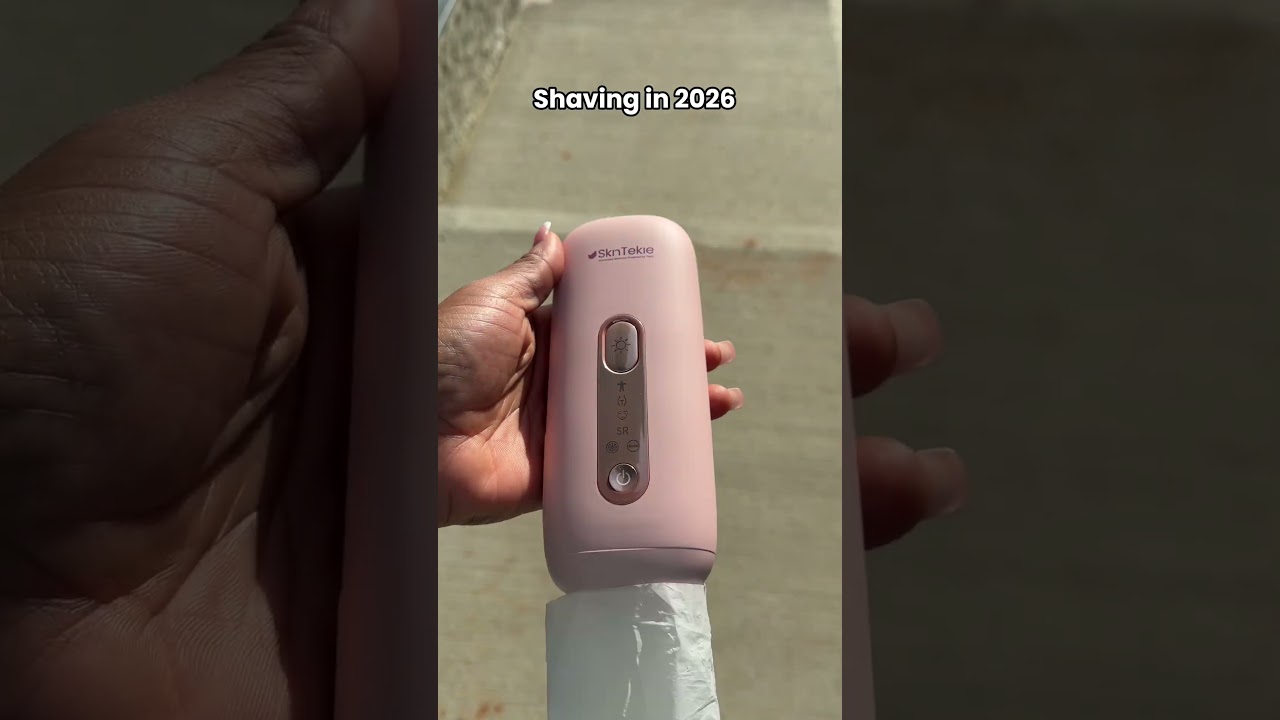
The good news in 2026: modern devices are far safer than the early generation, thanks to built-in skin-tone sensors. The Skintekie IPL Hair Removal Device uses a skin-tone sensor and ice-cooling technology — the sensor checks your skin and will not flash on tones it can't treat safely, which is exactly the protection deeper skin tones need to avoid burns.
Honest guidance for IPL and deeper tones:
- Always do the skin-tone test and a patch test first. Let the sensor make the call; never override it.
- Start at the lowest intensity and only increase if your skin tolerates it with no irritation.
- Very dark skin (Fitzpatrick VI) usually isn't a candidate for at-home IPL. If your sensor won't activate, that's a feature, not a fault — professional treatment (such as a Nd:YAG laser performed by a clinician) is the safer route for the deepest tones.
- Blonde, red, gray, or white hair won't respond to IPL on any skin tone, because there isn't enough pigment in the hair to target.
New to IPL? Our realistic results timeline walks through what to expect session by session.
Quick comparison
| LED Face Mask | IPL Device | |
|---|---|---|
| How it works | Light energy bypasses melanin, fuels skin cells | Light heats melanin in the hair follicle |
| Safe for dark skin? | Yes, esp. red & near-infrared | With caution; sensor-dependent, not for the deepest tones |
| Main risk on deep tones | Low (limit blue light) | Burns / hyperpigmentation if misused |
| Best for | Fine lines, acne, tone & texture | Long-term hair reduction (dark hair) |
Frequently asked questions
Is red light therapy safe for dark skin?
Generally yes. Red and near-infrared wavelengths don't rely on heating pigment, so they're considered safe across Fitzpatrick types I–VI. Stick to red/near-infrared modes and use blue light sparingly.
Can LED masks make hyperpigmentation worse?
It's uncommon with proper use, but overuse, the wrong wavelengths, or excess heat can aggravate pigmentation in some people. Follow the recommended session length and frequency, and favor red light if you're prone to dark spots.
Can I use IPL if I have dark skin?
It depends on exactly how deep your tone is. Medium and tan skin can often use a modern, sensor-equipped device on low settings. Very dark skin (type VI) typically should not use at-home IPL — let the device's skin-tone sensor decide, and see a professional if it won't activate.
Which should I choose — LED or IPL?
They solve different problems. Choose an LED mask for skin quality (anti-aging, acne, glow) and IPL for reducing unwanted hair. Many people use both, which is why we offer the LED Mask + IPL bundle.
The bottom line
For darker skin tones, an LED face mask is one of the safest, most inclusive devices in your routine — just keep to red and near-infrared light. IPL can absolutely work on medium and tan skin with a sensor-equipped device used carefully, but the deepest tones are better served by a professional. When in doubt, let your device's safety features lead and build the habit slowly.
This article is for general education and isn't medical advice. Skintekie devices are cosmetic skincare tools; if you have a skin condition or take photosensitizing medication, talk to a dermatologist before starting.
Explore the Skintekie LED Face Mask, the IPL Hair Removal Device, or save with the complete bundle.