LED Face Mask vs. Botox: Which Actually Works for Fine Lines?
Botox costs $435 on average per session, according to the American Society of Plastic Surgeons, and it wears off in three to four months. So if you're weighing an LED face mask vs Botox for fine lines, the honest starting point is cost: start at 35 and keep it up, and you're looking at roughly $1,300 to $1,700 a year, indefinitely, just to keep your forehead where it was.
That's not a knock on Botox. It's genuinely effective at what it's designed to do. But "what it's designed to do" and "what an LED face mask is designed to do" are two different things, and most comparison articles gloss over that to sell you one or the other. We're not going to do that here. Let's actually look at how each one works, what the research says, and which one fits the wrinkles you're actually trying to deal with.
How Botox actually works
Botox is a purified form of botulinum toxin. It works by blocking the nerve signals that tell a specific muscle to contract. When the muscle can't contract, the skin above it can't fold into a line, so expression wrinkles like frown lines between the brows or crow's feet from squinting soften or disappear.
According to the American Academy of Dermatology, results typically show up within three to seven days and last three to four months before the muscle activity gradually returns and the treatment needs to be repeated. This is important: Botox doesn't fix a wrinkle, it pauses the muscle movement that creates it. Stop getting injections and the muscle goes back to work.
Where Botox genuinely wins: dynamic wrinkles caused by repeated muscle movement, like glabellar lines (the "11s" between your brows) and crow's feet. Nothing else addresses the muscle-contraction part of that equation the way it does.
How red and near-infrared light actually work
An LED face mask doesn't touch muscle activity at all. It works through a mechanism called photobiomodulation: specific wavelengths of red and near-infrared light penetrate the skin and are absorbed by mitochondria in your skin cells, which appears to prompt fibroblasts (the cells that produce collagen and elastin) to work harder. Over weeks, not days, that shows up as firmer-looking, more even-textured skin.
This isn't a new or fringe idea. A handful of peer-reviewed studies have looked at it directly:
- A 2005 study in the Journal of Cosmetic Laser Therapy (Russell, Kellett & Reilly) treated 31 people with combined 633nm red and 830nm near-infrared light over nine sessions. By week 12, 81% of subjects reported a significant improvement in periorbital wrinkles, and 52% showed a 25-50% improvement in photoaging scores. (PubMed, PMID 16414908)
- A 2014 study by Wunsch & Matuschka followed 136 people through 30 sessions over 15 weeks and measured a statistically significant increase in intradermal collagen density using ultrasound imaging, not just self-reported results.
- A 2009 split-face controlled trial by Barolet et al. used 660nm light and confirmed increased collagen fiber density with actual tissue biopsies on the treated side versus the untreated side of the same face.
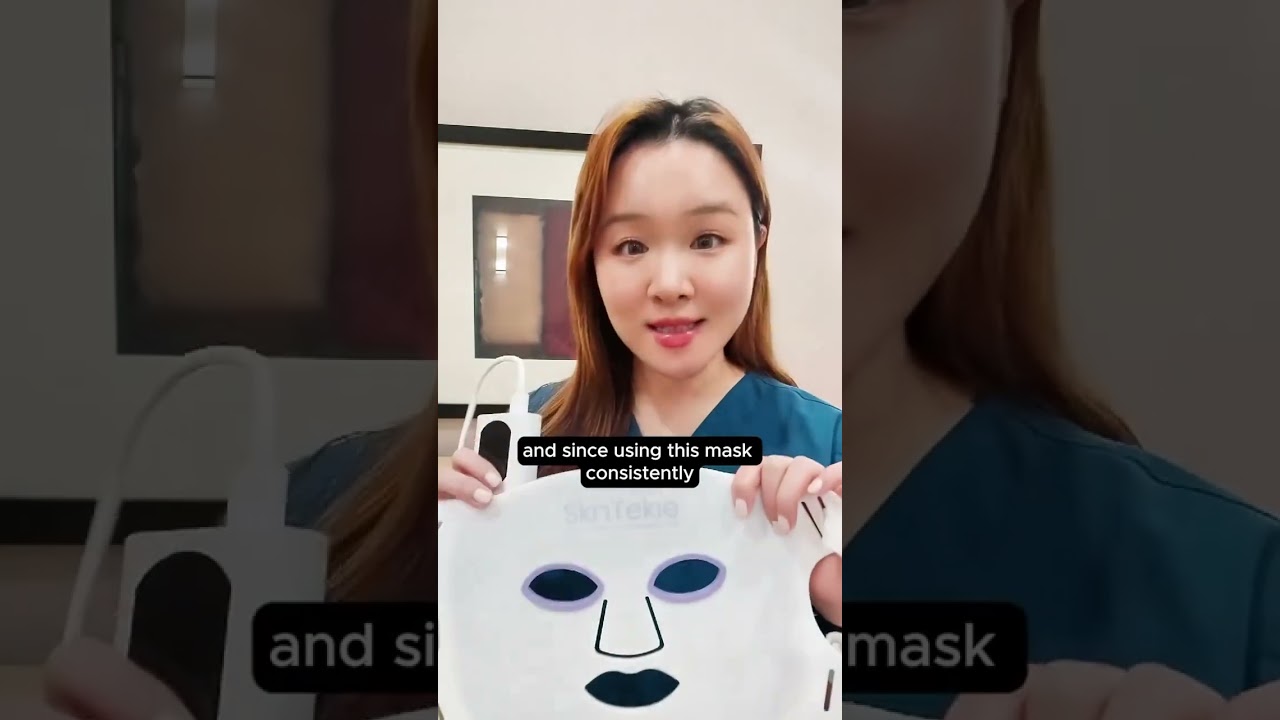
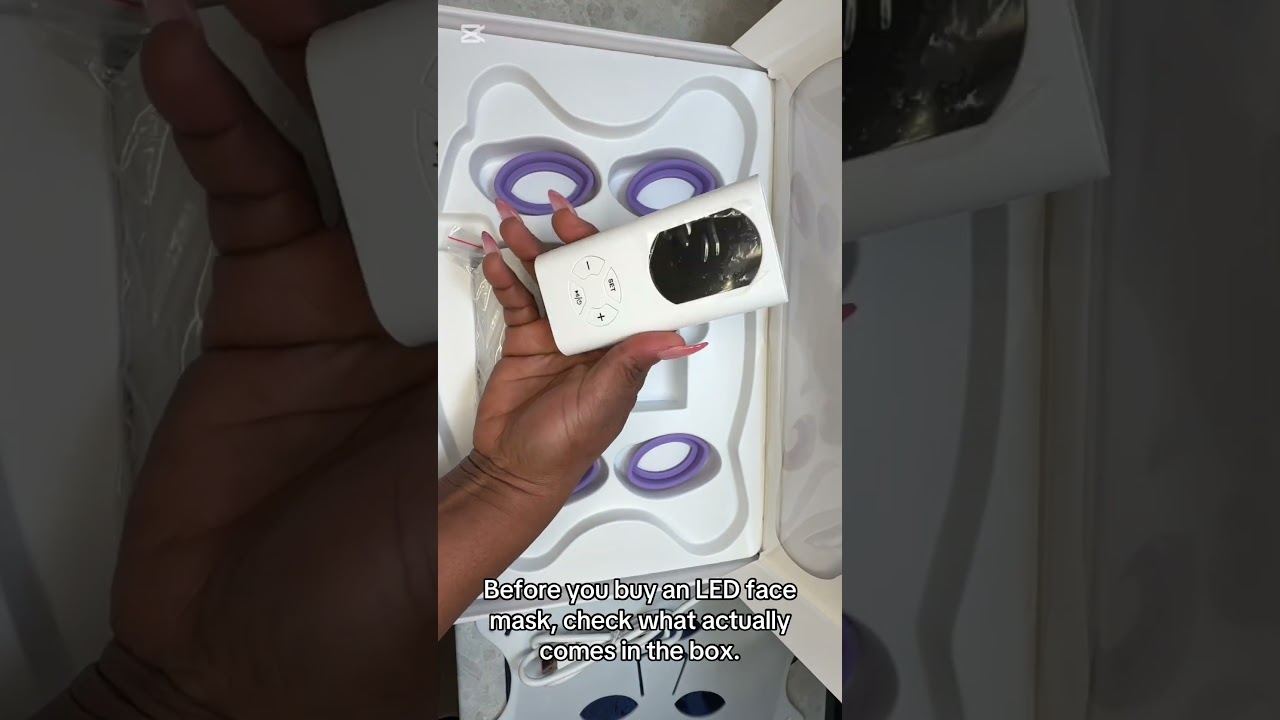
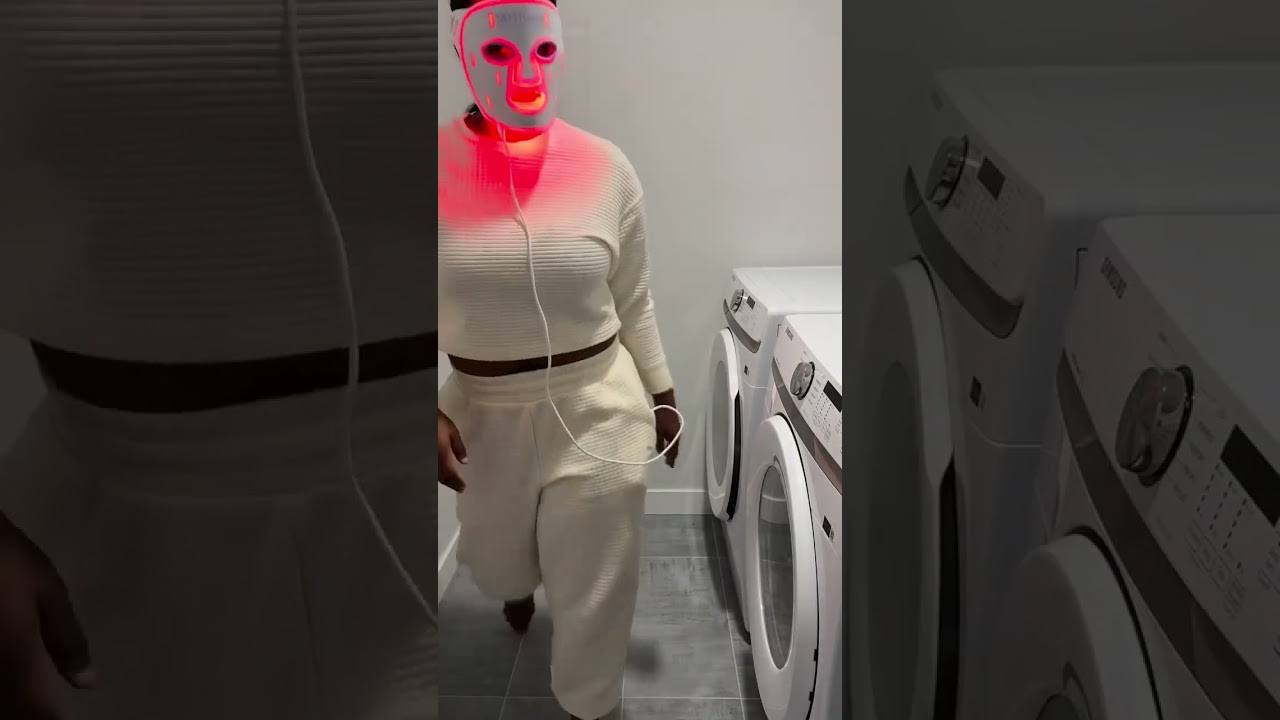
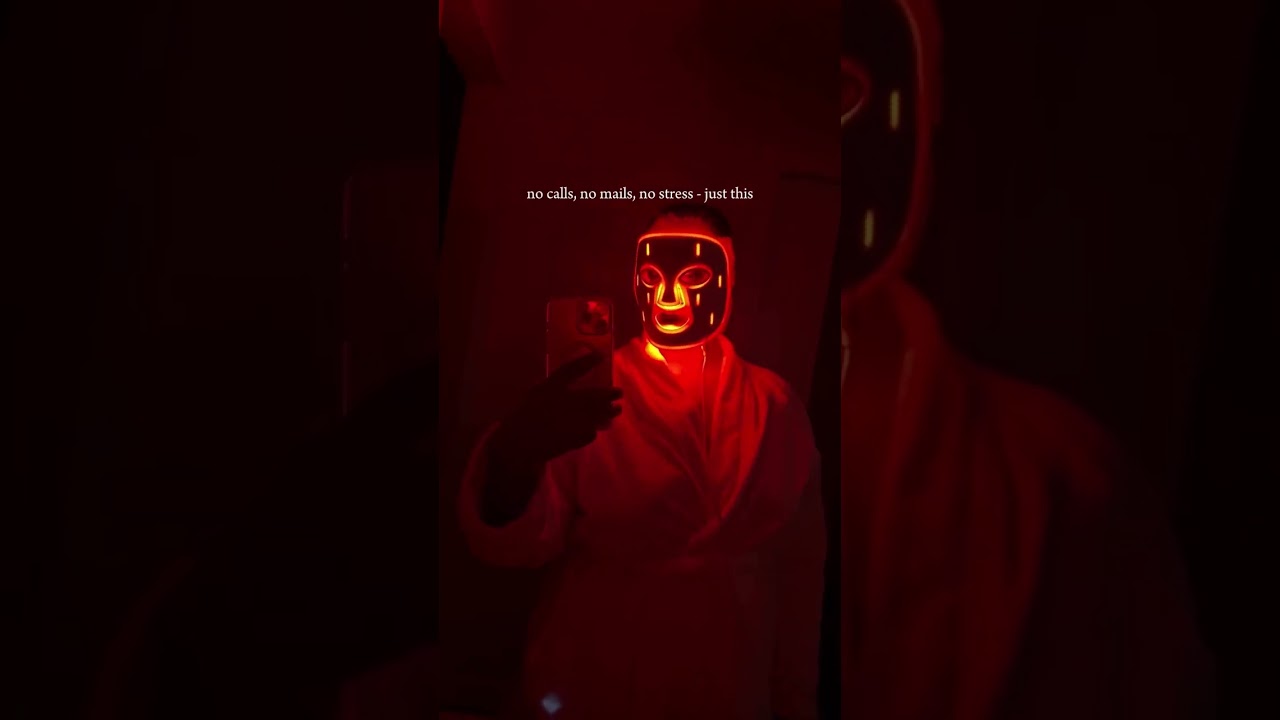
Skintekie's LED Face Mask uses 630nm red light and 830nm near-infrared, the same wavelength pairing studied in that 2005 trial, plus a 415nm blue light mode and a mixed setting. It's 510(k) cleared with the FDA as a device, which is a different regulatory pathway than the one Botox goes through as an injectable drug, worth knowing so you're comparing the right things.
Where LED light genuinely wins: fine lines, overall skin texture, and the kind of softening that comes from more collagen in the skin rather than a frozen muscle. It doesn't stop a muscle from moving, so it's not going to touch a deep expression line the way Botox will.
Side-by-side comparison
| Skintekie LED Face Mask | Botox | |
|---|---|---|
| Cost | $239 one-time | ~$435 per session, repeated every 3-4 months |
| Annual cost (ongoing) | $0 after purchase | ~$1,300-$1,740 |
| How it works | Photobiomodulation; stimulates collagen production | Blocks nerve signals to relax muscle |
| Best for | Fine lines, texture, overall photoaging | Dynamic expression lines (frown lines, crow's feet) |
| Time to see results | Several weeks of consistent use | 3-7 days |
| How long results last | Ongoing with continued use | 3-4 months per session |
| Downtime | None | Minimal, occasional bruising |
| Session time | 10-15 minutes at home | In-office appointment |
| Regulatory pathway | FDA 510(k) cleared device | FDA-approved injectable drug |
So which one should you actually choose?
Honestly, this isn't always an either/or decision, and if a piece tells you it is, be skeptical. If your main concern is a deep line from decades of squinting or frowning, an LED mask isn't going to replace what Botox does for that specific muscle. If your concern is more about overall skin quality, fine surface lines, and getting ahead of photoaging without a recurring bill or a needle, that's where the research on red and near-infrared light is strongest.
Some people use both: Botox for the expression lines that bother them most, and an LED mask as a Botox alternative for everyday skin maintenance in between appointments.
For a deeper look at what the red and near-infrared modes do specifically for wrinkles, our LED Face Mask for Anti-Aging guide breaks down the science mode by mode. And if you're comparing devices rather than comparing Botox, our Omnilux comparison lays out how Skintekie stacks up against the $395 category leader.
FAQ
Can an LED face mask really replace Botox?
Not for the same kind of wrinkle. Botox relaxes the muscle that creates an expression line; LED light therapy supports the appearance of firmer, more even skin through increased collagen production. They work on different problems, so "replace" isn't quite the right frame, think of it as choosing the right tool for the specific line you're trying to address.
How long before I'd see results from an LED face mask?
The studies cited above used anywhere from 9 to 30 sessions over several weeks to see measurable change. This is a gradual, cumulative process, not an overnight one, which is the tradeoff for not having a needle involved.
Is Botox safer than LED light therapy, or the other way around?
They carry different risk profiles because they're fundamentally different treatments; an injectable drug and a light-emitting device aren't directly comparable on safety. Botox can cause bruising or, rarely, unwanted muscle weakness nearby. LED light therapy has no known downtime, but anyone with a light sensitivity condition or on certain medications should check with a dermatologist first.
Do I have to choose just one?
No. Plenty of people use both for different concerns, Botox for expression lines, LED light therapy as an ongoing part of their skincare routine.
Why is Skintekie's mask cheaper than a dermatologist's LED treatment?
In-office LED treatments are typically priced per session because you're paying for the appointment and the provider's time on top of the device. An at-home mask is a one-time purchase you can use as often as the research-backed protocols call for, without a recurring bill.
Results vary from person to person. This content is for educational purposes and isn't medical advice. Talk to a dermatologist or licensed provider about which option is right for your skin and goals.
See current pricing and offers on the Skintekie LED Face Mask product page →
} } } } } } } } } } ] }