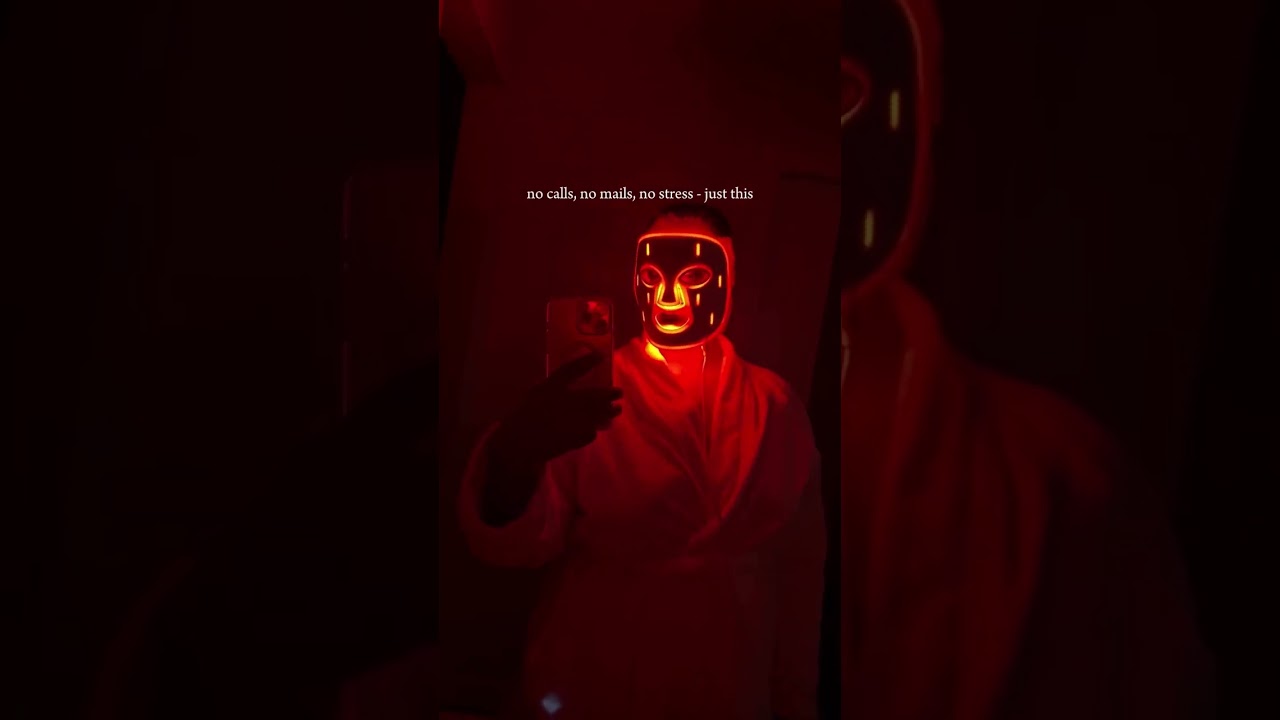
How Long Does It Take to See Results from LED Light Therapy? A Realistic Timeline
LED light therapy is a long game. If you are expecting overnight transformation, you will be disappointed. But if you understand how it works at a cellular level and commit to consistent sessions, the cumulative results can be significant. This article gives you an honest, research-informed timeline for what to expect — week by week and month by month.

Why LED Therapy Takes Time: The Science
LED light therapy works through a process called photobiomodulation. When specific wavelengths of light (red at 630nm, near-infrared at 830nm, blue at 415nm) reach your skin cells, they are absorbed by chromophores — primarily cytochrome c oxidase in the mitochondria. This absorption increases cellular energy production (ATP), which supports the cell's natural functions including repair, renewal, and collagen synthesis.
The key concept is cumulative cellular response. Each LED session delivers a dose of light energy that stimulates cellular activity for a period of hours after the session. The visible results you see in the mirror are the accumulated effect of hundreds of these individual cellular responses over weeks and months. There is no shortcut to this process — it is biology, not marketing.
Week 1 to 2: Setting the Foundation
What Is Happening
During the first two weeks, your skin cells are responding to the new light stimulus at a cellular level. Mitochondrial activity increases, ATP production rises, and cellular processes begin to accelerate. None of this is visible to the naked eye.
What You Will See
Realistically, very little. Some users report a subtle "glow" or improved hydration after the first few sessions, but this is largely due to the increased blood flow during and after treatment, not structural changes in the skin. Do not expect visible changes to fine lines, texture, or tone at this stage.
What to Do
Focus on building the habit. Use your Skintekie LED Face Mask 4 to 5 times during the first week to establish consistency. This is the phase where most people who eventually quit drop off — because they do not see immediate results. Understand that the work is happening beneath the surface.
Week 3 to 4: First Noticeable Changes
What Is Happening
After three to four weeks of consistent sessions (minimum 3 per week), the cumulative effect of repeated cellular stimulation begins to manifest at the surface level. Collagen synthesis has been upregulated for several weeks, and the earliest new collagen fibers are beginning to reach structural maturity.
What You Will See
The first changes most people notice are in skin texture rather than specific wrinkles or lines. Your skin may feel smoother to the touch. Pore appearance may begin to refine. Overall skin tone may appear more even. These are subtle changes — if you are looking for dramatic before-and-after differences, you may not notice them unless you compare photos taken three weeks apart.
For blue light users targeting acne, this is typically when you start noticing fewer new breakouts forming, as the consistent antibacterial effect begins to reduce the bacterial population on the skin surface.
Month 2 to 3: The Compound Effect
What Is Happening
This is where consistent LED therapy really starts to show. Collagen fibers laid down in weeks 2 through 4 are now fully matured and providing structural support. New cycles of collagen production are underway. The skin's natural renewal cycle (approximately 28 days) means you are now seeing skin that has been through at least one to two full renewal cycles with LED support.
What You Will See
Fine lines appear softer — not eliminated, but visibly reduced in depth. Skin texture is noticeably smoother compared to when you started. Overall tone is more consistent. Some users report improved firmness, particularly around the jawline and cheeks. If you have been taking progress photos (recommended), the comparison between month 1 and month 3 is typically where the results become clearly visible.
For acne-prone skin, consistent blue light users typically see a significant reduction in the frequency and severity of breakouts by this point.
Month 3 and Beyond: Maintenance and Continued Improvement
After three months of consistent use, you have established a strong foundation of cumulative benefit. Results continue to improve gradually with ongoing use, though the rate of visible change slows compared to the first three months. Many users transition from 5 sessions per week to 3 to 4 sessions per week for maintenance.
Some benefits — particularly collagen-related improvements in skin firmness and fine line reduction — continue to accumulate over 6 to 12 months of regular use. LED therapy is not a treatment with a defined endpoint; it is an ongoing skincare practice, similar to using sunscreen or moisturizer.
Factors That Affect How Quickly You See Results
Not everyone will experience the same timeline. Several factors influence the speed and visibility of LED therapy results:
- Consistency: The single biggest factor. Three sessions per week is the minimum threshold for cumulative benefit. Five sessions per week accelerates results. Sporadic use (once a week or less) is unlikely to produce noticeable changes.
- Age: Younger skin (20s-30s) has a faster cellular turnover rate and may show results more quickly. Older skin (50s+) is still responsive to LED therapy but may take longer to show visible changes due to slower baseline cellular activity.
- Skin condition at starting point: People with more significant skin concerns (deeper lines, more sun damage) may notice changes more dramatically simply because there is more room for improvement. People with already-good skin may notice subtler refinements.
- Mode selection: Using the right mode for your concern matters. Red light for general anti-aging, near-infrared for deeper support, blue light for acne. Using the wrong mode for your primary concern will delay results.
- Complementary skincare: Applying appropriate serums after LED sessions (hyaluronic acid, peptides, niacinamide) supports and enhances the effects of light therapy. Your post-session routine matters.
What Happens If You Stop
This is a question most marketing materials avoid, but it deserves an honest answer. If you stop LED therapy completely, the benefits gradually diminish over time. Collagen production returns to its baseline rate. Skin texture and tone slowly revert toward their pre-treatment state.
This does not happen overnight. Most users report that benefits are maintained for 4 to 8 weeks after stopping regular sessions. After that, a gradual regression begins. This is why most long-term LED users adopt a maintenance schedule (2 to 3 sessions per week) rather than stopping entirely.
Think of it like exercise: the benefits are real and cumulative, but they require ongoing activity to maintain. LED therapy is a practice, not a one-time treatment.
How to Track Progress Without Obsessing
The most effective way to track LED therapy results is simple:
- Take a baseline photo on day one, in consistent lighting, no makeup, same angle
- Take a comparison photo at the 4-week mark under the same conditions
- Take another at the 8-week and 12-week marks
- Do not check daily. Daily comparisons will show you nothing and create unnecessary frustration
Looking in the mirror every day and expecting to see changes is the fastest way to convince yourself that nothing is working. The changes are gradual and cumulative — you will not notice them day to day, but the difference between week 1 and week 12 is typically clear in photos.
Start Your LED Therapy Practice
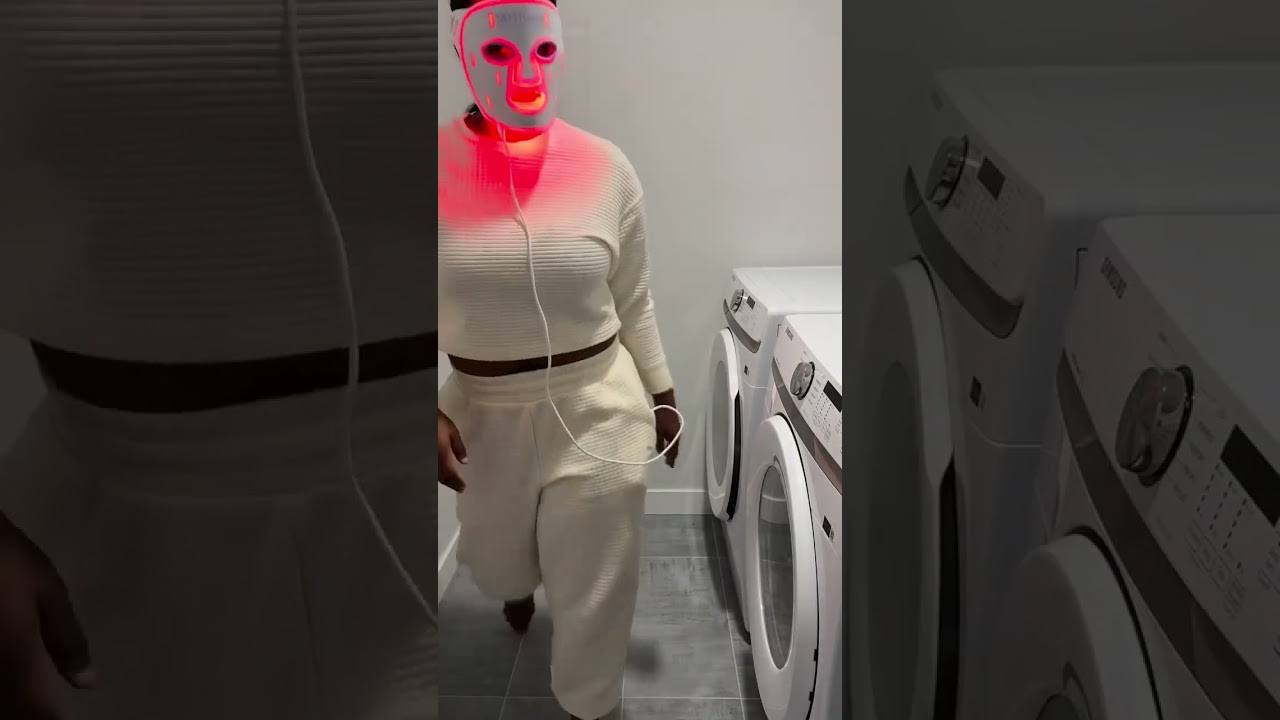
The Skintekie LED Face Mask is designed for the kind of consistent, low-effort daily use that produces real cumulative results. Each session takes 10 to 20 minutes, the mask is wireless and hands-free, and you can build it into your existing routine with minimal disruption.
Set realistic expectations, commit to consistency, and let the biology do the work. If you have questions about which mode or schedule is right for your skin, contact us at support@skintekie.com.
Continue Reading
- Red Light vs Near-Infrared vs Blue Light Therapy: What's the Difference?
- How to Build a 10-Minute At-Home Skincare Routine Around LED Light Therapy
- Is the Skintekie LED Face Mask FDA Cleared? At-Home LED Safety Guide
- IPL Hair Removal at Home vs Salon: Honest Cost Comparison
Shop SkinTekie
Still have questions? Visit our FAQ page for answers to the most common questions about LED light therapy and IPL hair removal.