Why Does My LED Face Mask Feel Warm? Is It Safe? Expert Answers
Share
You're settled in for your LED therapy session, and after a few minutes, you notice your face feels... warm. Not painful, but definitely warmer than when you started. Is this normal? Is your device malfunctioning? Should you be concerned?
Let's talk about why LED masks create warmth and how to tell if what you're experiencing is normal or a red flag.
Red, blue & near-infrared light in a calm 10-minute at-home session. $239 · Free US & Canada shipping · 30-day money-back guarantee.
Shop the LED Face Mask →The Short Answer: Mild Warmth Is Completely Normal
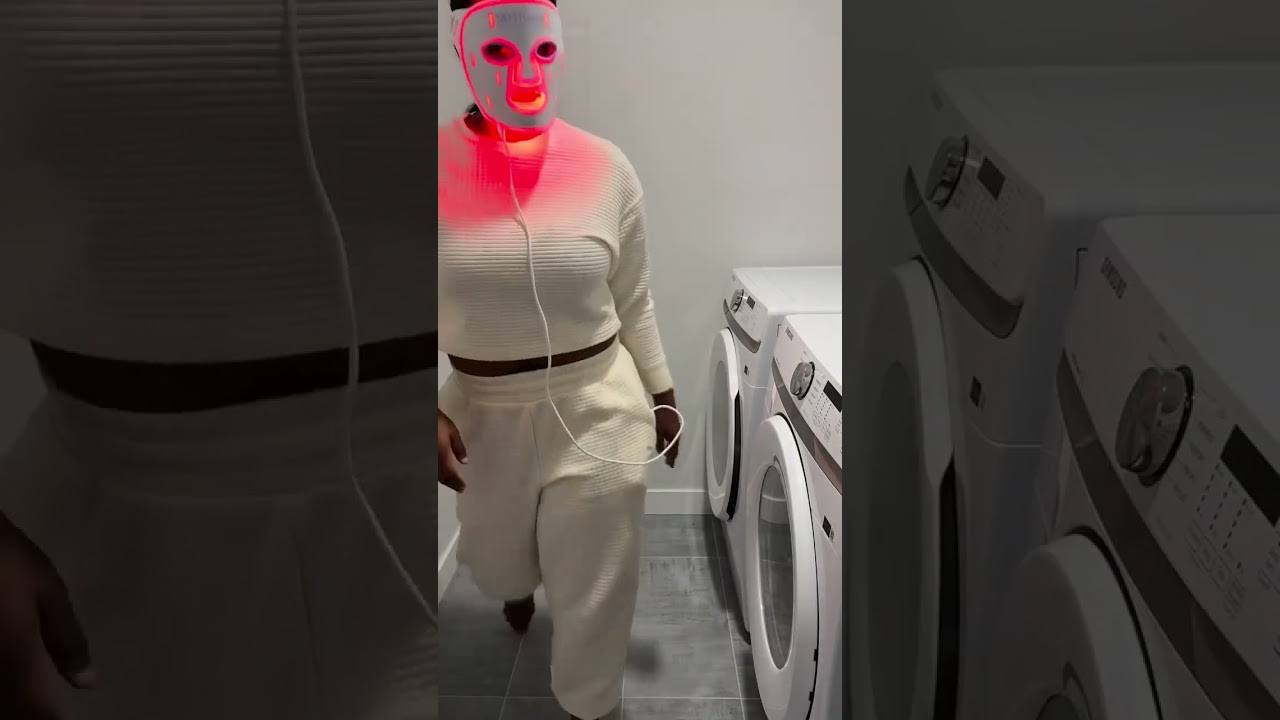
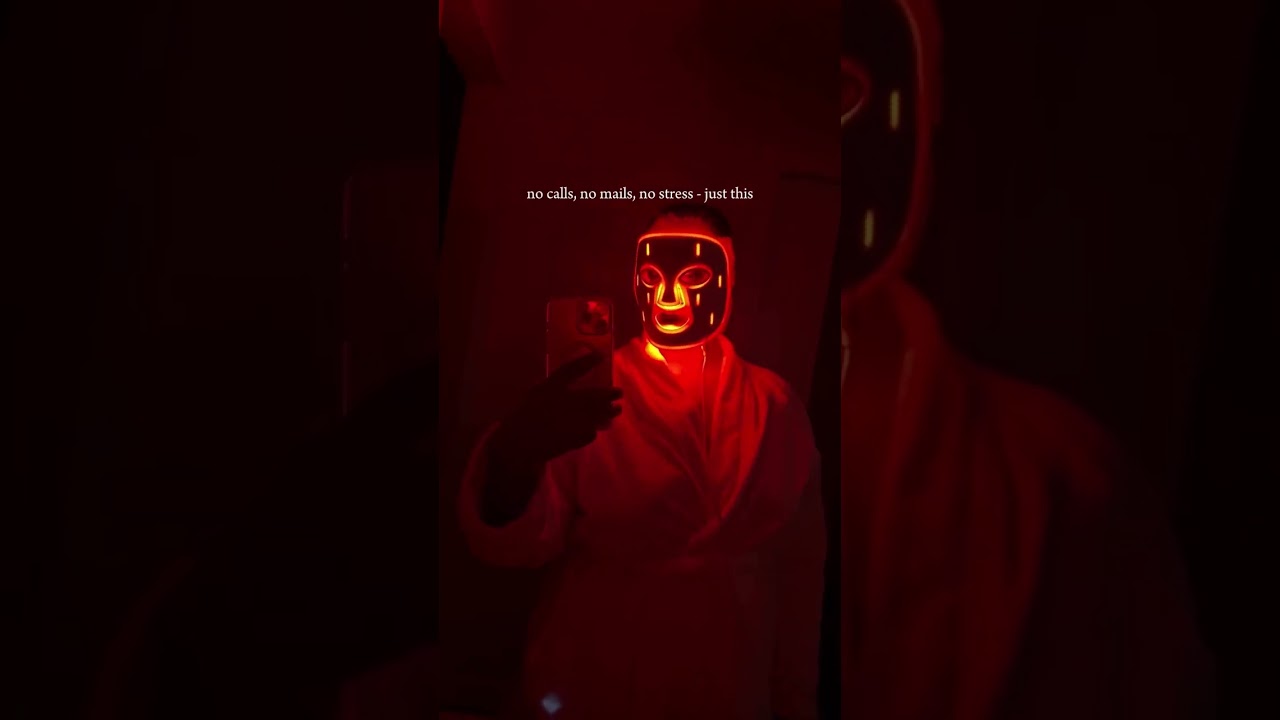
Watch: LED Face Mask Results
First, take a breath—experiencing gentle warmth during LED therapy is totally normal and actually indicates your device is working. According to the Cleveland Clinic, LED light therapy is non-invasive and painless, though you might feel some warmth during treatment but no discomfort.
That warmth you're feeling is evidence that light energy is penetrating your skin and triggering the cellular responses that deliver LED therapy's benefits.
Why LED Therapy Creates Warmth
LED face masks emit light energy at specific wavelengths. When this light penetrates your skin, it's absorbed by cells and converted into energy that stimulates various processes like collagen production and cellular repair.
This energy conversion naturally generates a small amount of heat. Think of it like this: your phone gets warm when you use it because electrical energy converts to heat. Your skin experiences something similar when absorbing LED light energy.
Research on LED therapy confirms that LED face masks contain light sources that promote biochemical reactions in cells without causing direct heat damage to the skin.
What "Normal" Warmth Feels Like
Here's how to gauge whether your LED mask is functioning properly:
Normal sensations:
- Gentle, pleasant warmth (like lying in mild sunshine)
- Slight tingling sensation
- Gradual warming that develops over several minutes
- Warmth that feels even across your face
- Sensation that's relaxing rather than uncomfortable
Concerning sensations:
- Sharp, burning pain
- Intense heat that's immediately uncomfortable
- Hot spots in specific areas while others feel cold
- Skin that feels burning or stinging
- Redness that persists for hours after treatment
If you're experiencing anything in that second list, stop using your device and consult the manufacturer or a dermatologist.
Different Wavelengths Feel Different
Not all LED therapy creates the same level of warmth. Different colored lights (wavelengths) penetrate to different skin depths and can feel slightly different:
Red Light (630-700nm): Often creates the most noticeable warmth because it penetrates deeper into the skin. According to dermatologist guidance, red light is primarily used for anti-aging benefits like collagen stimulation, and this deeper penetration naturally generates more warmth.
Blue Light (415nm): Usually feels cooler because it works primarily on the skin's surface. Blue light targets acne-causing bacteria without penetrating as deep, so it generates less sensation.
Near-Infrared Light (830nm+): Penetrates even deeper than visible red light and can create the most warmth, though quality devices regulate this carefully.
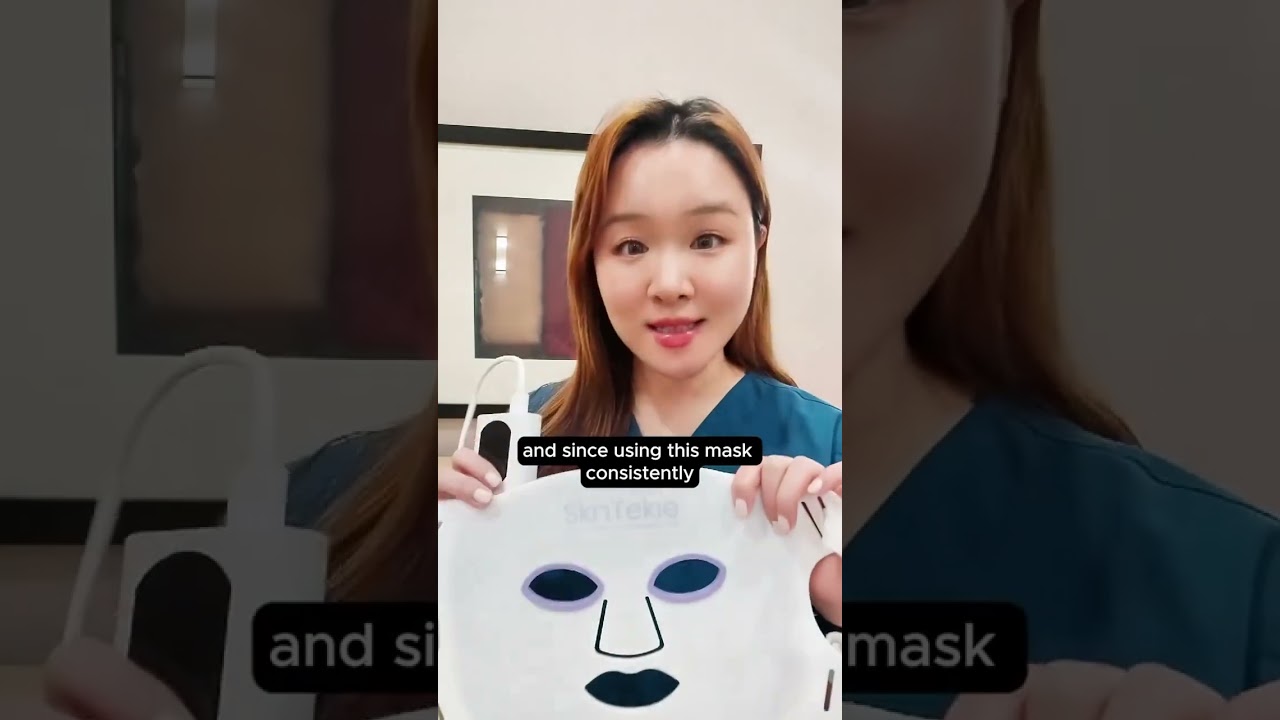
The Skintekie LED face mask uses multiple wavelengths, so you might notice slightly different sensations depending on which mode you're using.
Factors That Affect How Warm Your Mask Feels
Several factors influence the warmth level you experience during LED therapy:
Skin sensitivity: People with more sensitive skin often perceive warmth more intensely, even at normal levels.
Treatment duration: Longer sessions naturally generate more cumulative warmth as your skin absorbs more light energy.
Ambient temperature: Using your LED mask in an already warm room compounds the sensation.
Device quality: Higher-quality devices regulate heat output more effectively, preventing uncomfortable hot spots.
Intensity settings: If your device has adjustable intensity, higher settings typically create more warmth.
When Warmth Crosses Into "Too Hot" Territory
LED therapy should never be painful or cause burns. The technology is designed to be non-invasive and gentle. According to safety guidelines, LED light therapy doesn't use ultraviolet (UV) light, so it doesn't cause damage or burns to your skin under normal circumstances.
Stop treatment immediately if you experience:
- Burning pain during or after treatment
- Blisters or burns on your skin
- Prolonged redness lasting more than a few hours
- Skin that feels hot to the touch after treatment ends
- Any sensation that makes you genuinely uncomfortable
These symptoms could indicate device malfunction or improper use, and continuing could damage your skin.
How to Manage Warmth During Treatment
If you're experiencing normal warmth but want to make your LED sessions more comfortable, try these strategies:
Start with shorter sessions: Build up tolerance gradually rather than jumping to maximum treatment times.
Ensure proper airflow: Don't use your mask under blankets or in overly warm rooms.
Keep your face cool beforehand: Apply your mask to cool, clean skin rather than immediately after hot showers.
Adjust intensity if possible: Start at lower settings and increase as your skin acclimates.
Take breaks: If warmth becomes distracting, pause treatment for a moment to let your skin cool.
Does Warmth Mean It's Working Better?
Not necessarily. More warmth doesn't equal better results. LED therapy effectiveness depends on the wavelength, intensity, and duration of light exposure—not on how hot your face feels.
Some high-quality LED masks actually feel quite cool because they incorporate cooling technology to keep treatment comfortable while still delivering therapeutic light levels. According to product testing reviews, some devices feature cooling systems that reduce potential discomfort while maintaining effectiveness.
The warmth you feel is a byproduct of the treatment, not the goal.
Safety Features to Look For
Quality LED masks incorporate safety features that prevent excessive heat buildup:
Automatic shutoff: Devices that turn off after recommended treatment times prevent overexposure.
Temperature regulation: Built-in systems that maintain consistent, safe surface temperatures.
Even LED distribution: Proper spacing and quality LEDs prevent hot spots.
Skin sensors: Some masks detect skin tone and adjust accordingly to prevent issues.
When choosing an LED mask, these features ensure comfortable, safe treatments rather than uncomfortable heat exposure.
Common Questions About LED Mask Warmth
"My mask feels warm but not hot. Is this ideal?" Yes. Gentle, pleasant warmth is exactly what you should experience. It indicates proper function without excessive heat.
"One area feels warmer than others. Is that a problem?" Slight variation is normal, especially around areas where the mask sits closer to your skin. Dramatic hot spots, however, could indicate device issues.
"Should I feel warmth immediately or does it build up?" Most people notice gradual warming over the first few minutes as light energy accumulates in the skin. Instant, intense heat is unusual.
"Does warmth mean my skin type isn't suitable for LED?" Not necessarily. Warmth is normal for all skin types using LED therapy. However, if you experience pain or burning, consult a dermatologist about whether LED is appropriate for you.
The Bottom Line on LED Mask Warmth
Feeling warmth from your LED face mask is completely normal and actually indicates the device is working as designed. Light energy penetrating your skin and triggering beneficial cellular responses naturally generates gentle heat.
As long as the sensation remains comfortable, even, and gradual—without crossing into pain, burning, or prolonged discomfort—you can relax and enjoy your treatment knowing your Skintekie LED mask is functioning properly.
The warmth you feel is evidence of the technology at work, not a warning sign. Embrace the cozy sensation as part of your skincare ritual, and focus on the long-term benefits you're working toward: healthier, more radiant skin.
Related Reading:
Your skincare routine, upgraded with light
The Skintekie LED Face Mask uses red, blue and near-infrared light to support clearer, smoother, healthier-looking skin from home — in a calm 10-minute session. $239, with free shipping and a 30-day money-back guarantee.
Shop the LED Face Mask →Sources: NIH - LED Light Therapy Research | AAD - Light Therapy