What Happens If You Use IPL Too Often? Risks & Side Effects
Share
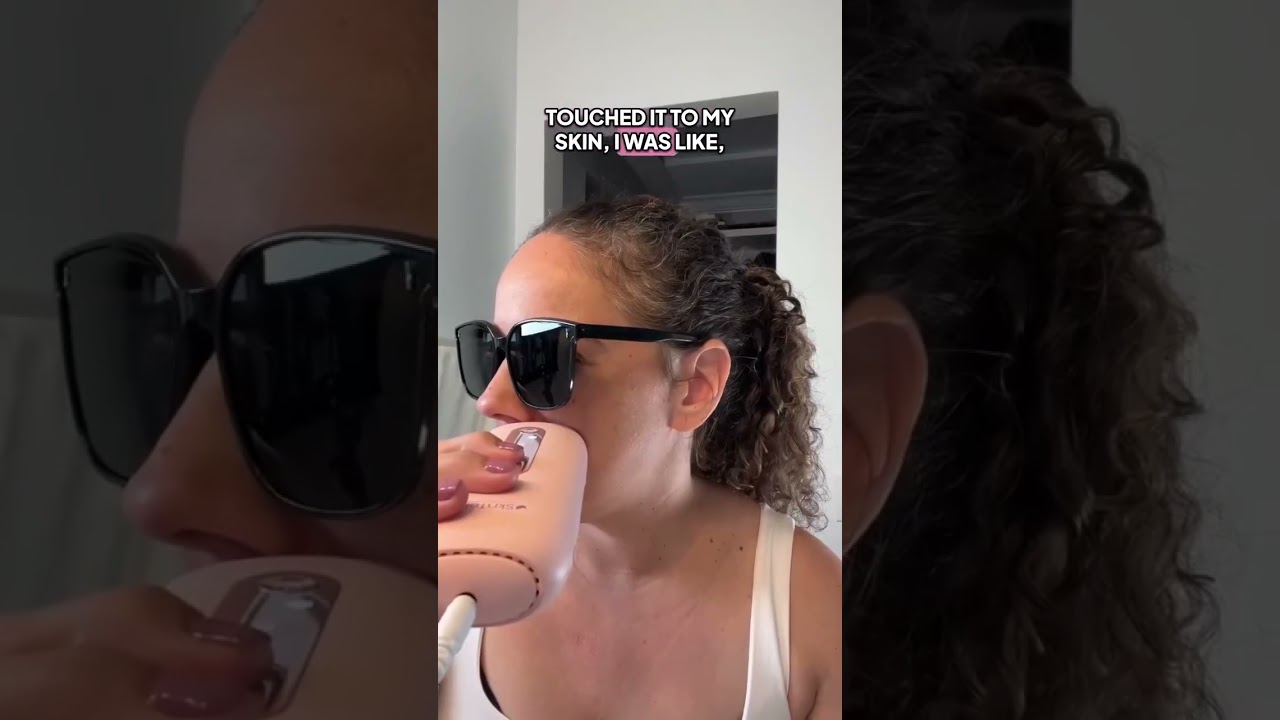
You've got your IPL device and you're ready to see results fast. But what happens if you use IPL too often? It's a question worth asking before you go flash-happy — because overusing your IPL device can cause more harm than good.
IPL (Intense Pulsed Light) is incredibly effective for at-home hair removal, but it works best when you follow a structured treatment schedule. Using it too frequently won't speed up results. Instead, it can irritate your skin, cause temporary discoloration, and even reduce the effectiveness of your treatments.
Here's everything you need to know about the risks of overuse and how to find the sweet spot for your treatment schedule.
The Side Effects of Using IPL Too Frequently
IPL works by delivering controlled pulses of light that generate heat in the hair follicle. When you over-treat an area, you're essentially stacking thermal energy on skin that hasn't had time to recover. Here's what can happen:
Skin Irritation and Redness
The most common side effect of overuse is persistent skin irritation. While mild redness lasting a few hours after treatment is completely normal, using IPL too often can cause redness that lasts 2-3 days or longer. The skin may feel warm, tender, or uncomfortable to touch.
Hyperpigmentation (Dark Patches)
Repeated thermal damage without adequate healing time can trigger excess melanin production, leading to dark patches on the treated area. This is especially concerning for people with medium to darker skin tones, where the risk of pigment changes is already elevated.
Hypopigmentation (Light Patches)
On the opposite end, aggressive overuse can sometimes cause lighter patches where melanin-producing cells are damaged. This typically resolves on its own, but it can take weeks or months to fully normalize.
Dryness and Peeling
Over-treated skin often becomes excessively dry and may start to peel or flake. This happens because repeated thermal exposure disrupts your skin's natural moisture barrier faster than it can repair itself.
Burns
In extreme cases of overuse — particularly when treating the same area multiple times in a single day or at too high an intensity — mild burns can occur. These typically present as raised, red areas that may blister. While rare with at-home devices (which have lower energy levels than professional equipment), it's still a real risk.
Paradoxical Hair Growth
This is an uncommon but documented phenomenon where over-stimulation of hair follicles with light energy actually triggers new hair growth rather than preventing it. This is most often seen when IPL is used at insufficient energy levels too frequently, stimulating dormant follicles without destroying them.
Why More IPL Sessions Don't Mean Faster Results
Here's the science behind why daily IPL treatments are pointless, not just risky.
IPL only works on hair follicles in the anagen (active growth) phase. At any given time, only about 20-30% of your hair follicles are in this phase. The rest are in the catagen (transitional) or telogen (resting) phase, where they don't respond to IPL treatment.
When you treat an area with IPL, you effectively disable the anagen follicles present at that moment. Treating the same area again the next day won't catch any new anagen follicles — they cycle in on their own biological schedule, which takes weeks, not days.
This is why dermatologists and device manufacturers recommend weekly treatments at most during the initial phase. The 7-day gap allows a new batch of follicles to enter the growth phase, giving each session fresh targets to treat.
The Safe IPL Treatment Schedule
To get the best results without risking side effects, follow this evidence-based schedule:
Weeks 1-4: Once per week per treatment area. This is the maximum recommended frequency for home IPL devices.
Weeks 5-8: Once every two weeks. Hair growth should be visibly reduced by now. Extending the gap lets you target newly activated follicles without over-treating.
Weeks 9-12: Once every three to four weeks. At this stage, most of your hair follicles are disabled. Less frequent sessions are all you need.
Ongoing maintenance: Once every 4-8 weeks, or as needed when you notice any regrowth. Many people find they only need a maintenance session every couple of months to stay smooth.
How to Tell If You've Been Overusing Your IPL Device
Not sure if you've been treating too aggressively? Here are the signs to watch for:
- Redness that lasts more than 24 hours after a session — normal post-treatment redness should fade within a few hours
- Increased pain during treatment — if sessions are becoming more uncomfortable, your skin is telling you it hasn't recovered
- Visible dry patches or flaking on treated areas between sessions
- No improvement in hair reduction despite treating frequently — this often means follicles aren't being given enough recovery time to properly shut down
- Dark or light spots appearing on treated skin
- Skin feeling "crunchy" or tight in treated areas
If you experience any of these, stop treatment for at least two weeks and let your skin fully recover before resuming at a less frequent schedule.
What to Do If You've Overused Your IPL Device
If you've been using IPL too often and your skin is showing signs of irritation, here's how to help it recover:
Stop all IPL treatment immediately. Give your skin a minimum 2-week break. For more severe reactions, wait until all symptoms have completely resolved before resuming.
Keep the area moisturized. Use a gentle, fragrance-free moisturizer or a healing ointment with ceramides. Avoid anything with active ingredients like retinol, glycolic acid, or vitamin C until the irritation clears.
Protect from sun exposure. Over-treated skin is extra sensitive to UV damage. Apply SPF 30+ sunscreen daily on affected areas and avoid direct sun exposure as much as possible.
Skip exfoliation. Don't exfoliate irritated skin. Wait until it has fully calmed down and healed before resuming any scrubs or chemical exfoliants.
Cool compresses help. If the area feels warm or inflamed, a cool (not ice-cold) compress for 10-15 minutes can provide relief.
See a dermatologist if needed. If you experience blistering, burns, significant pigment changes, or symptoms lasting more than two weeks, it's worth getting a professional assessment.
Smart Habits for Safe, Effective IPL Treatment
Follow these guidelines and you'll get excellent results without any of the risks associated with overuse:
Track your sessions. Keep a simple log of when you treated each area. A calendar reminder or phone alarm works well to maintain consistent weekly spacing.
Start low, go slow. Begin with the lowest intensity setting and increase gradually. A higher intensity level that's comfortable will always outperform a maximum-intensity treatment that causes excessive irritation.
Listen to your skin. If a treatment area is still pink or tender from your last session, skip it and wait another few days. Your skin's feedback is the best guide.
One pass per area. During each session, make a single systematic pass across the treatment area. Don't go over the same spot multiple times thinking it'll be more effective.
Prep properly. Shave 12-24 hours before, clean skin, no products. Good preparation maximizes the effectiveness of each session so you don't feel the urge to over-treat.
Frequently Asked Questions
What happens if I use IPL every day?
Using IPL every day will almost certainly cause skin irritation, including redness, dryness, and potential pigment changes. It won't speed up hair removal because the hair growth cycle takes weeks, not days. Daily use is strongly discouraged.
Can I use IPL twice a week?
Twice a week on the same area is not recommended. Once per week is the maximum frequency advised during the initial treatment phase. You can, however, treat different body areas on different days.
Is it okay to do a "touch up" on a spot I missed?
If you genuinely missed a small section during your session, you can treat it within the same sitting. But don't go back over areas you've already treated — even if you're not sure the flash connected properly, it's better to catch it at your next weekly session.
How long should I wait between IPL sessions on my face?
Facial skin is thinner and more sensitive than body skin. Wait at least 7 full days between facial IPL sessions, and consider using a lower intensity setting than you use on body areas.
The Bottom Line
What happens if you use IPL too often? You risk skin irritation, pigmentation changes, dryness, and reduced treatment effectiveness — without speeding up hair removal at all. The golden rule is once per week per treatment area during the first month, then gradually spacing sessions out as hair growth slows.
IPL is a marathon, not a sprint. Trust the process, stick to the schedule, and let your skin do its thing between sessions. The results will come — typically visible within 3-4 sessions — and they'll be much better if your skin is healthy and well-rested between treatments.
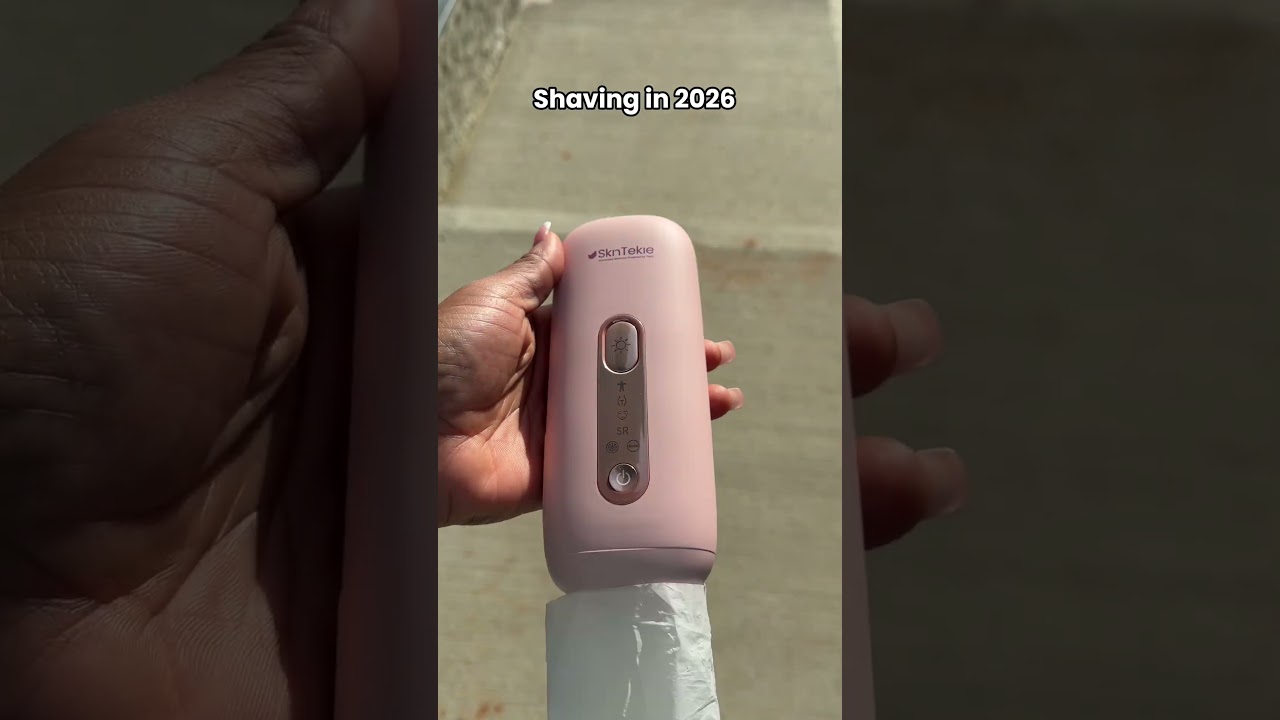
Get started with a device designed for safe at-home use. The SkinTekie IPL Hair Removal Device includes built-in skin tone sensors and adjustable intensity levels to help you treat safely and effectively.