Is At-Home IPL Permanent? Real Results & What to Expect Long-Term
Share
"Permanent hair removal" sounds amazing. Never shaving again? Sign me up. But when it comes to at-home IPL devices, there's an important distinction you need to understand between permanent removal and permanent reduction.
Let's talk about what "permanent" actually means and what you can realistically expect.
The Truth About "Permanent Hair Removal"
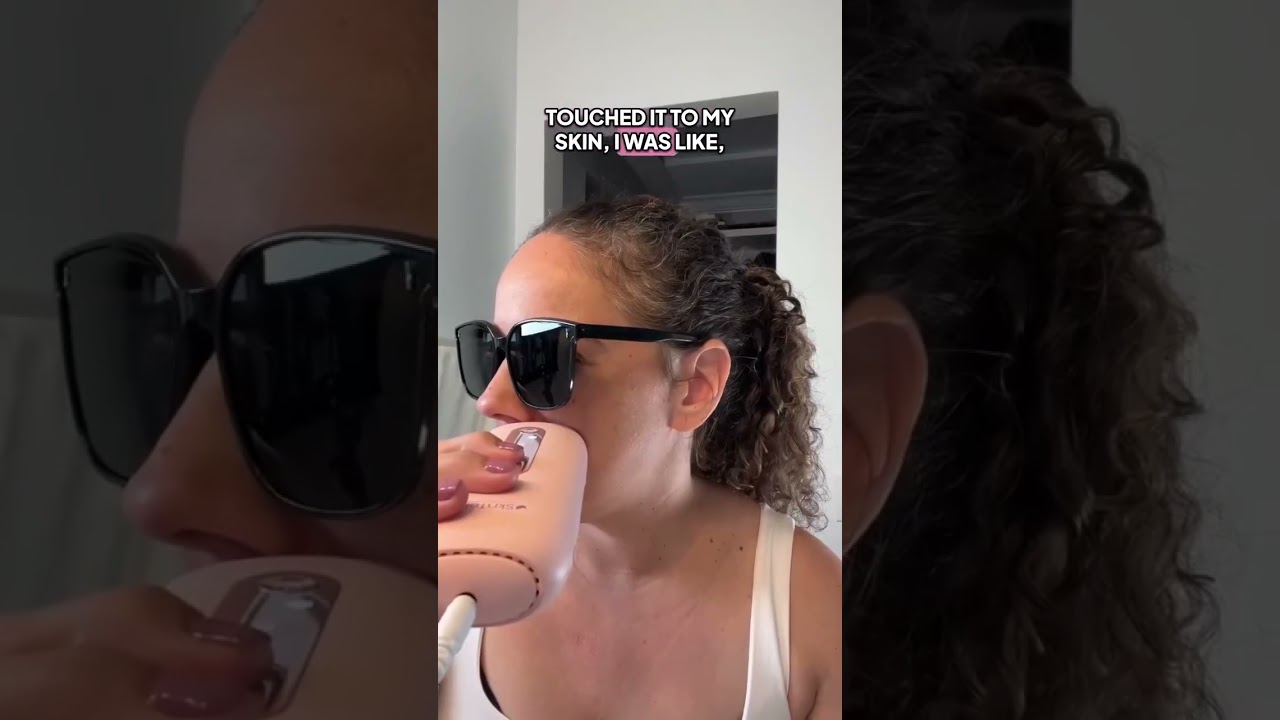
Watch: IPL Hair Removal in Action
Here's what marketing doesn't always make clear: Even professional laser hair removal isn't technically permanent removal—it's permanent hair reduction. This distinction matters.
Permanent hair reduction means: A significant decrease in the number of hairs that regrow after treatment. Some follicles are destroyed completely. Others are damaged enough to produce much finer, lighter hair.
Permanent hair removal would mean: Every single hair gone forever, never to return. This is nearly impossible to achieve even with the most aggressive professional treatments.
According to dermatology standards, "permanent hair reduction" is defined as long-term, stable reduction in the number of hairs regrowing after a treatment regime.
What At-Home IPL Actually Delivers
Quality at-home IPL devices can achieve 70-90% permanent hair reduction in suitable candidates (light to medium skin with dark hair). This means:
- The majority of hair in treated areas won't grow back
- Hair that does regrow is significantly finer and lighter
- You'll need occasional maintenance treatments
- Results are long-lasting but not completely permanent
A study comparing at-home IPL effectiveness found that while professional treatments achieved 46% long-term hair reduction, at-home devices reached 27% permanent reduction—still a substantial improvement over constant shaving or waxing.
Why Some Hair Always Comes Back
Several biological factors explain why complete permanent removal is unrealistic:
Hormonal factors: Changes in hormones (pregnancy, menopause, PCOS, thyroid conditions) can reactivate dormant follicles or stimulate new hair growth.
Hair growth cycles: At any time, only 20-30% of hair is in the active growth phase IPL can target. Despite multiple treatments, some follicles may be missed.
Individual variation: Some people's follicles are more resistant to light therapy than others.
Aging: Natural aging processes can trigger new hair growth or reactivate follicles years later.
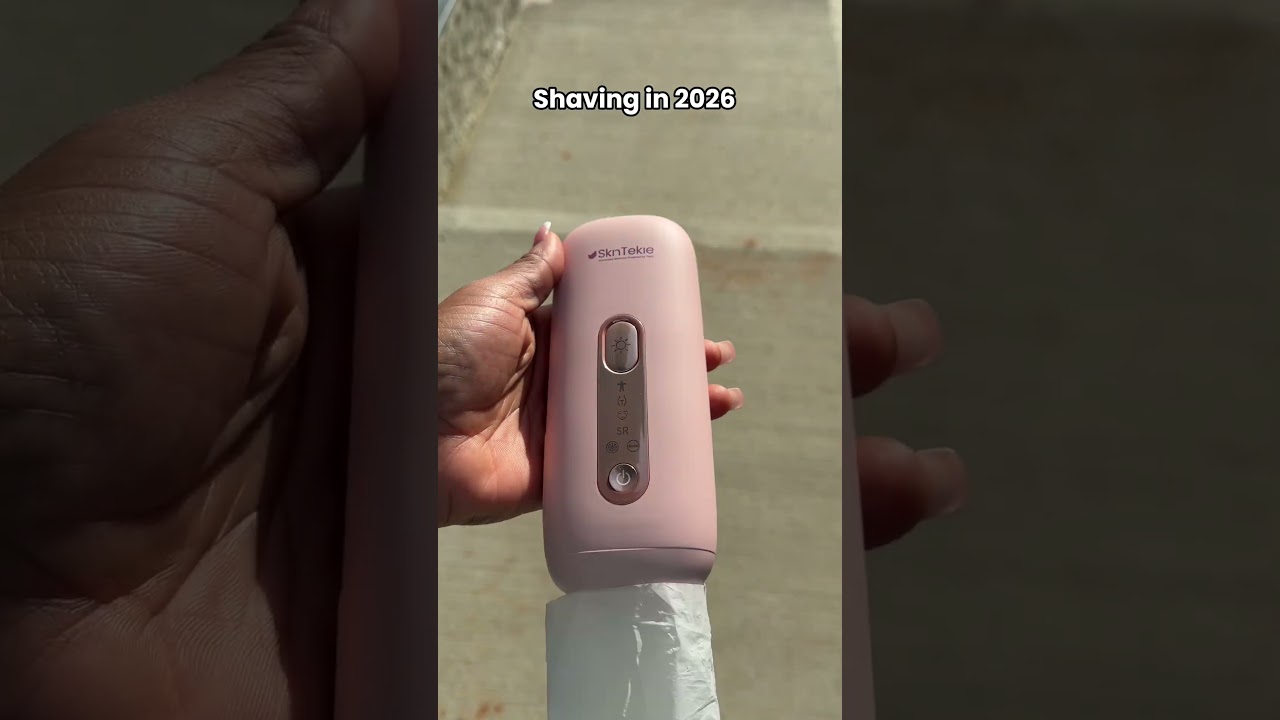
The Skintekie IPL device works by targeting active growth-phase hair follicles, but biology means some percentage of hair will eventually regrow—usually much finer than original hair.
Permanent Reduction vs. Temporary Removal
Understanding this comparison helps set realistic expectations:
Shaving:
- Removes hair at surface level
- Lasts 1-3 days
- Hair grows back at full thickness
- Completely temporary
Waxing:
- Removes hair from root
- Lasts 3-6 weeks
- Hair grows back at full thickness
- Completely temporary
At-Home IPL:
- Damages hair follicles
- Significant reduction after 8-12 treatments
- Hair that regrows is finer and lighter
- Permanent reduction with maintenance
Even though IPL isn't "permanent removal," the difference in maintenance required—touch-ups every 4-8 weeks versus daily shaving—represents a dramatic quality-of-life improvement.
Maintenance: The Reality Nobody Emphasizes
After completing your initial IPL treatment series (typically 8-12 sessions over 3-4 months), you'll transition to maintenance mode.
What maintenance looks like:
- Touch-up sessions every 4-8 weeks initially
- Gradually spacing to every 2-3 months as needed
- Quick sessions targeting any regrowth
- Ongoing indefinitely
This isn't a sign IPL "failed"—it's normal and expected. Even professional laser treatments require periodic maintenance.
The key difference: instead of shaving every 1-2 days forever, you're doing quick IPL sessions every few months. For most people, that's an acceptable trade-off.
Best-Case vs. Worst-Case Scenarios
Best-case scenario (ideal candidates):
- Light skin + dark, coarse hair
- No hormonal hair growth issues
- Consistent treatment schedule
- Result: 80-90% permanent hair reduction, minimal maintenance needed
Average scenario (most people):
- Light-medium skin + medium-dark hair
- Occasional hormonal fluctuations
- Generally consistent treatment
- Result: 60-75% permanent hair reduction, quarterly maintenance
Challenging scenario:
- Skin-hair contrast isn't ideal
- Hormonal hair growth (PCOS, etc.)
- Inconsistent treatment schedule
- Result: 40-60% hair reduction, more frequent maintenance needed
Understanding how IPL works helps you optimize results regardless of which category you fall into.
Professional vs. At-Home: Does It Matter Long-Term?
Professional IPL/laser uses higher power settings that can destroy follicles more thoroughly in fewer sessions. However, even professional treatments average 70-85% permanent reduction—not 100%.
The main differences:
- Professional: Faster initial results, higher cost ($2,000-4,000+), still requires maintenance
- At-Home: Longer initial phase, one-time device cost, same maintenance needs
Both deliver permanent hair reduction. The pathway differs, but the long-term outcome is remarkably similar: significantly less hair requiring occasional touch-ups.
Maximizing Your Long-Term Results
Get the most permanent reduction possible:
Complete your initial series: Don't stop after seeing results. Finish all 8-12 treatments to catch hair in different growth cycles.
Maintain consistency: Regular sessions during initial phase damage maximum follicles.
Address hormonal factors: If hormonal hair growth is an issue, work with your doctor while using IPL for maintenance.
Don't skip maintenance: Those quarterly touch-ups prevent regrowth from becoming noticeable.
Use appropriate settings: Too-low intensity won't permanently damage follicles; too-high risks burns without better results.
The Bottom Line
At-home IPL delivers permanent hair reduction, not complete permanent removal. With proper use, you can achieve 70-90% reduction in hair growth that persists long-term with occasional maintenance.
This isn't a failure of the technology—it's the biological reality of how hair growth works. Even the most expensive professional treatments can't guarantee every single hair gone forever.
For most people, reducing hair growth by 70-90% and maintaining smooth skin with quarterly touch-ups represents a massive improvement over daily shaving or monthly waxing. The Skintekie IPL device can deliver these long-lasting results when used consistently and with realistic expectations.
"Permanent reduction" might not sound as exciting as "permanent removal," but the practical difference—smooth skin requiring minimal maintenance instead of constant shaving—is absolutely worth it.
Related Reading:
Ready to Start Your IPL Journey?
The SkinTekie IPL Hair Removal Device features ice-cooling technology for pain-free, permanent results at home.
Shop IPL Device →Sources: NIH - IPL for Hair Removal | AAD - Laser Hair Removal Guide