Do You Really Need Sunscreen After IPL Treatment?
Share
You just finished an IPL session and you're wondering: can I go outside? Do I really need sunscreen? How long do I have to avoid the sun?
These aren't paranoid questions—they're critical for protecting your skin and getting the best IPL results. Here's why sun protection after IPL is non-negotiable.
Why IPL Makes Your Skin Sun-Sensitive
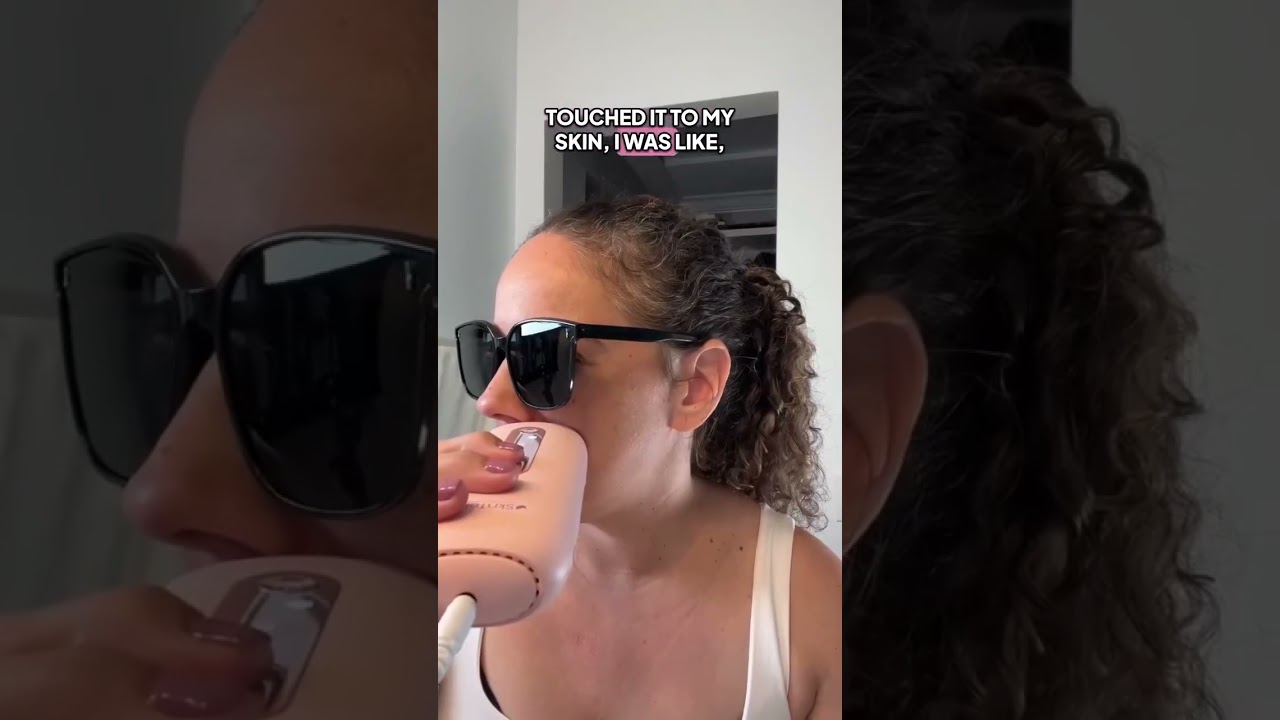
Watch: IPL Hair Removal in Action
IPL works by targeting melanin (pigment) in hair follicles. The light energy converts to heat that damages the follicle. Here's the problem: your skin also contains melanin, and IPL temporarily makes skin more reactive to UV exposure.
According to dermatology research, IPL treatments increase photosensitivity by affecting melanin distribution in skin. This means UV rays that normally cause mild tanning can now cause burns, hyperpigmentation, or blistering on treated skin.
Think of it like this: IPL "activates" your skin's melanin. Adding sun exposure on top of that activation can trigger excessive pigmentation responses your skin wouldn't normally have.
The Minimum Sun Avoidance Timeline
First 48 hours: Absolutely critical period. Avoid direct sun exposure completely. If you must go outside, cover treated areas with clothing and apply SPF 50+.
First week: High-risk period. Minimize sun exposure, wear protective clothing, and be religious about sunscreen application.
First 2 weeks: Moderate-risk period. Treated skin is still more sensitive than normal. Maintain sun protection vigilance.
Ongoing: Even after the 2-week mark, using SPF daily on treated areas helps maintain results and prevent future damage.
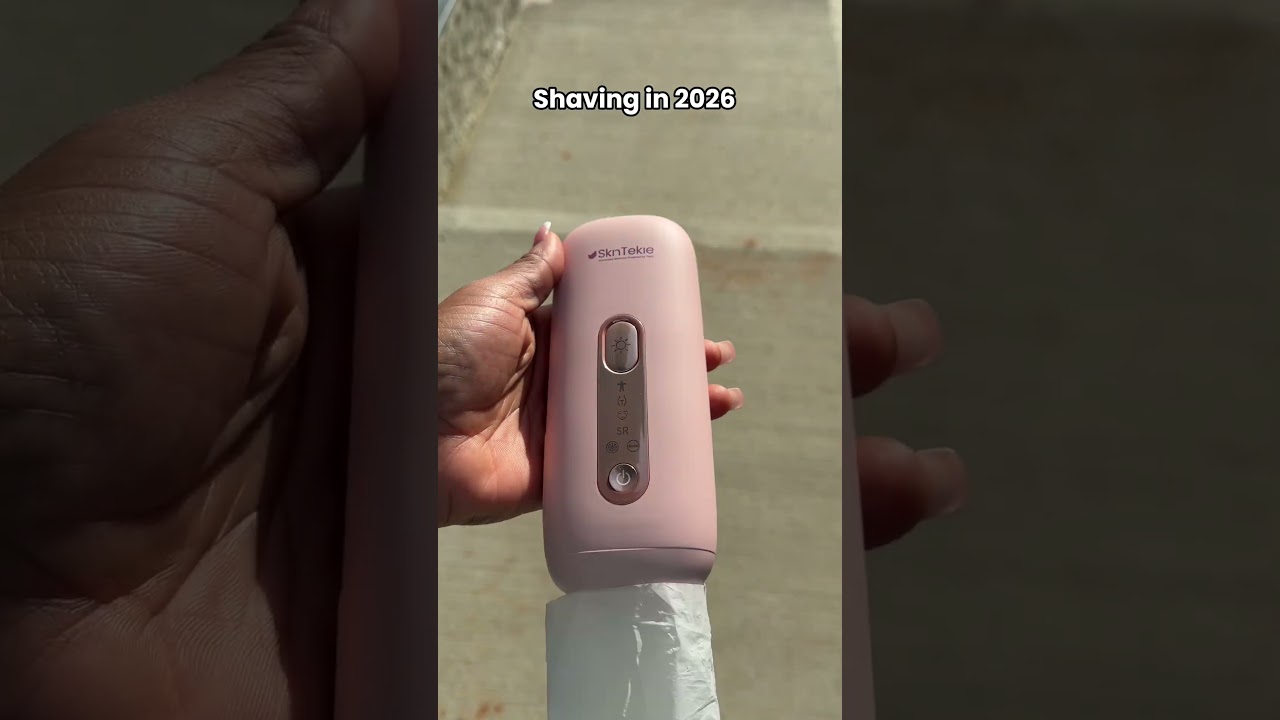
The Skintekie IPL device delivers effective hair reduction, but results depend on proper aftercare—and sun protection is the most important part.
What Happens If You Skip Sunscreen
Getting sun exposure too soon after IPL can cause:
Hyperpigmentation: Dark spots or patches that can take months to fade Burns: Treated skin burns more easily than normal Blistering: Severe reactions in worst cases Delayed healing: Slows the recovery process Reduced effectiveness: Can interfere with IPL's hair reduction mechanism Permanent discoloration: In extreme cases, sun damage can be permanent
These aren't theoretical risks—they're documented complications from IPL when sun protection is inadequate.
The Complete Sun Protection Protocol
Choose the right sunscreen:
- Broad-spectrum (UVA and UVB protection)
- SPF 30 minimum, SPF 50+ preferred
- Physical/mineral sunscreens (zinc oxide or titanium dioxide) are gentler on treated skin
- Fragrance-free and hypoallergenic formulations reduce irritation risk
Apply correctly:
- Apply 20 minutes before any sun exposure
- Use enough—most people under-apply
- Reapply every 2 hours when outdoors
- Reapply immediately after swimming or sweating
Additional protection:
- Wear protective clothing (long sleeves, pants) over treated areas
- Wide-brimmed hats for facial IPL
- Stay in shade during peak sun hours (10 AM - 4 PM)
- Avoid tanning beds completely (yes, even after 2 weeks)
Can You Apply Sunscreen Immediately After IPL?
Yes—in fact, you should. There's no waiting period required for sunscreen application after IPL treatment. If you need to go outside right after your session, apply sunscreen immediately.
Wait about 30 minutes before applying other skincare products to let skin settle, but sunscreen can and should go on right away if you'll have any sun exposure.
Special Situations
Beach vacations: Seriously reconsider timing. If you have a beach trip planned, either pause IPL treatments or postpone the vacation. Extended sun exposure and IPL don't mix.
Outdoor work: If your job requires outdoor time, schedule IPL sessions for Friday evenings so you have the weekend for recovery before returning to sun exposure.
Summer treatments: You can use IPL in summer, but it requires extra vigilance. Understanding when to start IPL treatments helps you time sessions strategically.
Dark skin tones: Extra caution needed. Higher melanin content means increased sensitivity to sun exposure post-IPL. Some dermatologists recommend avoiding IPL entirely during summer months for darker skin tones.
What About Fake Tan or Self-Tanners?
Avoid self-tanning products completely during your IPL treatment course. These products add pigment to your skin surface, which can:
- Interfere with IPL effectiveness
- Increase burn risk
- Create uneven results
Wait until you've completed your initial IPL series and transitioned to maintenance before using any tanning products.
Tanning Before IPL Is Just as Dangerous
Sun protection isn't just important after IPL—it's crucial before treatments too. Never use IPL on tanned skin.
Why pre-treatment tanning is dangerous:
- IPL can't distinguish between tan skin and hair follicles
- Dramatically increases burn and blister risk
- Significantly reduces hair reduction effectiveness
- Can cause permanent hyperpigmentation
If you've recently tanned, wait until it completely fades before resuming IPL treatments. This applies to natural sun tans, tanning beds, and self-tanning products.
How to Tell If Your Skin Is Healing Properly
Normal post-IPL reactions:
- Mild redness lasting a few hours
- Slight sensitivity for 24-48 hours
- Treated hair shedding over 1-2 weeks
Concerning signs (contact your provider):
- Blistering or burns
- Severe pain lasting more than a few hours
- Dark spots developing after sun exposure
- Prolonged redness beyond 48 hours
The Bottom Line
Sunscreen after IPL isn't optional—it's essential for preventing complications and protecting your investment in hair removal. Avoid direct sun for at least 48 hours, minimize exposure for 2 weeks, and maintain daily SPF use indefinitely on treated areas.
The math is simple: a few weeks of careful sun protection prevents months of dealing with hyperpigmentation or damaged skin. Your Skintekie IPL device can deliver excellent hair reduction results, but only if you protect your skin properly during the treatment process.
Make SPF 50+ your best friend, cover up when outside, and schedule treatments strategically around sun exposure. These simple precautions ensure safe, effective IPL results without the complications that careless sun exposure can cause.
Related Reading:
Ready to Start Your IPL Journey?
The SkinTekie IPL Hair Removal Device features ice-cooling technology for pain-free, permanent results at home.
Shop IPL Device →Sources: NIH - IPL for Hair Removal | AAD - Laser Hair Removal Guide