Best Time to Use LED Face Mask: Morning or Night for Best Results
Share
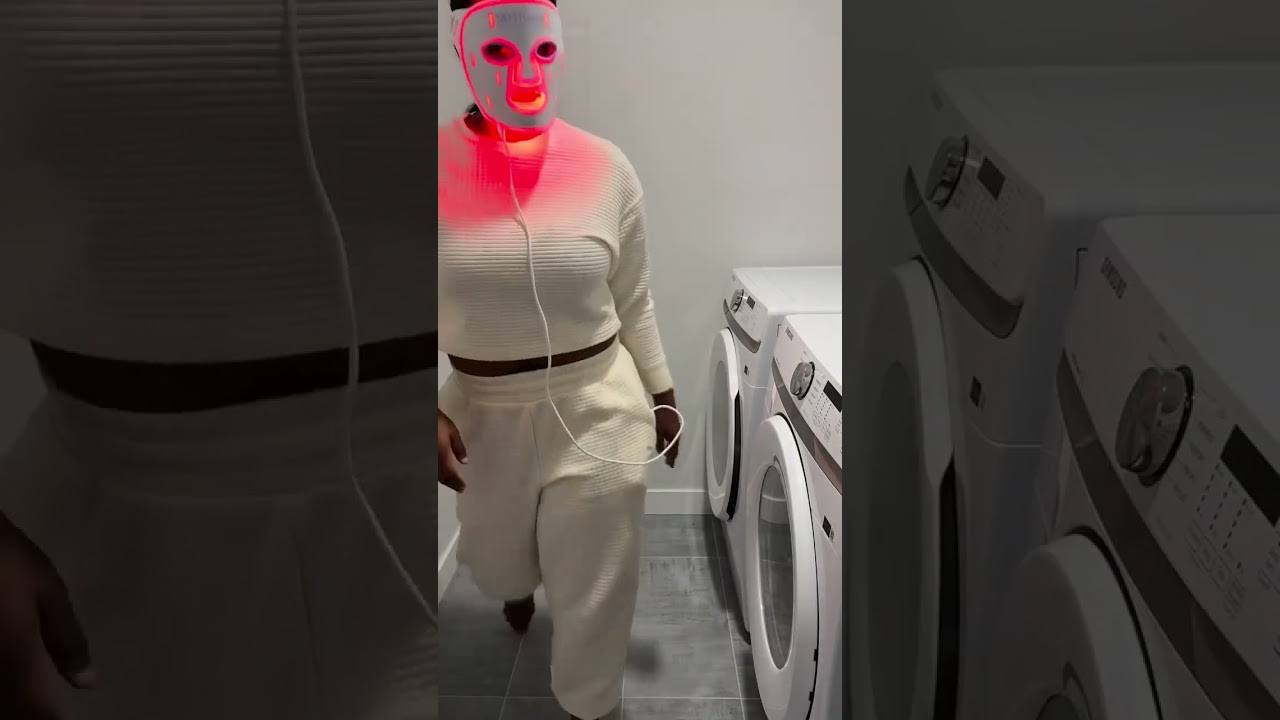
You've unboxed your shiny new Skintekie LED face mask and you're ready to start seeing those anti-aging, skin-brightening results everyone talks about. But then a question hits you: should you use this thing in the morning or at night?
It's a fair question, and the answer isn't as simple as you might think. The timing of your LED therapy session can actually influence the specific benefits you experience, and understanding when to use your mask helps you get the most from your investment.
Let's break down the science, the benefits, and the practical realities of morning versus nighttime LED therapy.
Understanding How LED Therapy Works (The Quick Version)
Watch: LED Face Mask Results
Before we dive into timing, here's what you need to know about LED technology. LED light therapy uses various wavelengths that correspond to different visible colors, and each color penetrates the skin at different depths.
Red light (around 630-700nm) penetrates deeper to stimulate collagen production and reduce inflammation. Blue light (415nm) works at the surface to kill acne-causing bacteria. Near-infrared light goes even deeper for enhanced healing and cellular repair.
These wavelengths trigger biological responses in your skin cells, and those responses don't stop the moment you take off the mask. They continue working for hours afterward, which is why timing matters.
The Case for Morning LED Sessions
Using your LED mask in the morning offers specific advantages that align with how your skin prepares for the day ahead.
Benefit #1: Instant Glow Before Facing the World
One of the most immediate benefits of morning LED therapy is the visible glow it creates. Using an LED mask in the morning can give your skin a glow before you start your day.
Red light therapy increases blood circulation, which brings fresh oxygen and nutrients to your skin's surface. This creates a naturally flushed, radiant appearance that lasts for hours. It's like giving yourself a mini-facial before applying makeup or heading to that important meeting.
For people who wear makeup, this pre-glow creates a better canvas. Foundation and other products sit more smoothly on skin that's been treated with LED therapy, and the natural radiance means you might need less makeup overall.
Benefit #2: Energized, Primed Skin
Morning LED sessions prepare your skin to better handle whatever the day throws at it. The cellular energy boost from light therapy means your skin is more resilient against environmental stressors like pollution, UV exposure (you're still wearing SPF, right?), and the drying effects of indoor heating or air conditioning.
Think of it as a protective boost—your skin starts the day in an optimized state rather than already playing defense.
Benefit #3: Consistent Routine Integration
Let's be practical: many people find it easier to stick with morning LED sessions because they're naturally building morning routines anyway. While your coffee brews or as part of your getting-ready process, a 10-20 minute LED session fits naturally into the flow of your day.
Consistency is crucial for LED therapy results, so choosing a time you'll actually stick with matters more than the theoretically "perfect" time.
The Case for Nighttime LED Sessions
Evening LED therapy offers its own set of compelling benefits, particularly related to skin's natural repair processes.
Benefit #1: Enhanced Repair During Sleep
Your skin doesn't just rest while you sleep—it goes into overdrive with repair and regeneration. Using a LED device at night will calm down skin inflammation resulting from daily exposure to skin irritants like pollution, especially in people with sensitive and rosacea-prone skin.
Night is when skin cell turnover is most active. By using LED therapy before bed, you're essentially supercharging these natural repair processes. The light therapy stimulates collagen production and cellular repair, which then continues working throughout the night while your body focuses its energy on restoration rather than defense.
Benefit #2: Calm, Soothe, and Reset
If your skin tends toward redness, sensitivity, or inflammation, nighttime LED sessions can be particularly beneficial. After a full day of environmental exposure—sun, pollution, makeup, stress—your skin often needs calming more than stimulation.
Red and near-infrared wavelengths are particularly effective at reducing inflammation. An evening session helps bring your skin back to baseline, reducing any irritation accumulated during the day and preparing it for overnight recovery.
Benefit #3: Product Absorption Optimization
Using LED therapy at night, before applying your nighttime skincare products, can enhance how well those products absorb. The increased circulation and cellular activity from LED treatment means your serums, treatments, and moisturizers penetrate more effectively.
This is especially valuable if you use prescription treatments like tretinoin or high-quality anti-aging products—you want maximum absorption and effectiveness from these investments.
If you're using the Skintekie LED face mask as part of a comprehensive skincare routine, nighttime sessions let you layer your most potent treatments afterward for enhanced results.
What the Research and Experts Say
Experts indicate that LED light therapy face masks have been studied quite extensively for effectiveness, including randomized controlled trials and systematic reviews.
However, research doesn't strongly favor one time over another. The benefits of LED therapy are consistent regardless of when you use it—what matters most is using it regularly, 3-5 times per week.
Every brand has different directives on how often to use your mask, so be sure to check the label to make sure you're using it correctly. Generally, you can use the face mask of your choice roughly three to five times a week for around 10 minutes.
The key takeaway from clinical studies: consistency beats timing. Using your LED mask regularly at whatever time works for your schedule will deliver better results than sporadic use at the "optimal" time.
Considering Your Specific Skin Goals
Your primary skin concern might help you decide when to schedule LED sessions.
For anti-aging focus: Nighttime sessions align with skin's natural repair cycle and collagen production, which peaks during sleep. However, morning sessions give you that immediate plumping effect before important events.
For acne treatment: Blue light therapy for acne-causing bacteria can work anytime, but evening sessions might be preferable if your skin gets irritated during the day. Addressing inflammation at night prevents carrying that redness into the next day.
For overall radiance: Morning sessions deliver immediate glow that lasts throughout the day—perfect if you want to look your best for work or social occasions.
For skin recovery and calming: Evening sessions excel at bringing stressed, inflamed skin back to baseline after daily exposure.
The Practical Reality: Your Schedule Wins
Here's the truth that often gets overlooked in these "morning vs. night" debates: the best time to use your LED mask is whenever you'll actually use it consistently.
A morning routine you stick with beats a theoretically optimal nighttime routine that you constantly skip because you're too tired. Similarly, if mornings are rushed and chaotic, forcing LED therapy into that window means you'll likely give up after a few weeks.
Skincare takes time, and consistency is key to understanding what truly works for your skin. For LED therapy specifically, regular use over 6-8 weeks is what delivers visible results—not the specific hour of day you choose.
Can You Use LED Therapy Twice a Day?
Some people wonder if using their LED mask both morning and night accelerates results. Device manufacturers recommend only using the devices 3-5x a week, as the effect of using the device every day has not been studied.
More isn't always better with LED therapy. Your skin cells need time to complete the biological processes that light therapy initiates. Over-treating can potentially stress your skin without providing additional benefits.
Stick with the manufacturer's recommended frequency—typically 3-5 sessions per week, not twice daily.
Making the Choice: A Simple Framework
Still unsure which timing is right for you? Ask yourself these questions:
What's my primary skin goal?
- Immediate glow for events → Morning
- Deep repair and anti-aging → Night
- Acne and inflammation control → Night
- General skin health → Either works
When am I most likely to actually do this consistently?
- Morning routine person → Morning
- Night owl with a established PM routine → Night
- Schedule varies → Whichever time has fewer conflicts
Do I wear makeup during the day?
- Yes, and I want that pre-makeup glow → Morning
- Yes, and I need to remove it anyway → Night (double cleanse before LED)
- No → Either works
Am I using other active skincare products?
- Primarily morning products (vitamin C, SPF) → Night LED might be better
- Primarily night products (retinol, acids) → Morning LED avoids conflicts
The Hybrid Approach
There's no rule saying you must choose one time exclusively. Many LED mask users vary their timing based on their schedule, skin's needs, and what's happening in their lives.
Perhaps you use it in the morning before big presentations or social events when you want that immediate glow. On other days, evening sessions let you unwind while treating your skin. The flexibility is part of what makes at-home LED therapy so practical.
Understanding how LED technology fits into modern skincare routines helps you adapt usage to your specific lifestyle rather than following rigid rules.
The Bottom Line on LED Timing
Morning LED sessions excel at creating immediate radiance and priming skin for the day. Evening sessions align with skin's natural repair processes and calm inflammation from daily stressors. But honestly? Either time works—what matters most is consistency.
Choose the time that fits your lifestyle, aligns with your primary skin goals, and most importantly, the time you'll actually stick with for the 6-8 weeks needed to see real results.
Your LED mask is an investment in your skin's long-term health and appearance. Don't let overthinking the "perfect" timing prevent you from using it at all. Pick a time, commit to the routine, and let the technology do what it's designed to do—improve your skin gradually, consistently, and effectively.
Related Reading:
Transform Your Skin with LED Light Therapy
The SkinTekie LED Face Mask uses 7 clinically-proven light wavelengths to fight acne, reduce wrinkles, and boost collagen.
Shop LED Face Mask →Sources: NIH - LED Light Therapy Research | AAD - Light Therapy