Is Redness After LED Face Mask Normal? What's Happening to Your Skin
Share
You've just finished your LED face mask session feeling relaxed and glowy. Then you look in the mirror and your face is... red. Noticeably flushed. Maybe even a bit warm to the touch. Should you be worried?
Let's talk about what's actually happening and when redness is normal versus when it's a problem.
The Quick Answer: Mild Redness Is Completely Normal
Watch: LED Face Mask Results
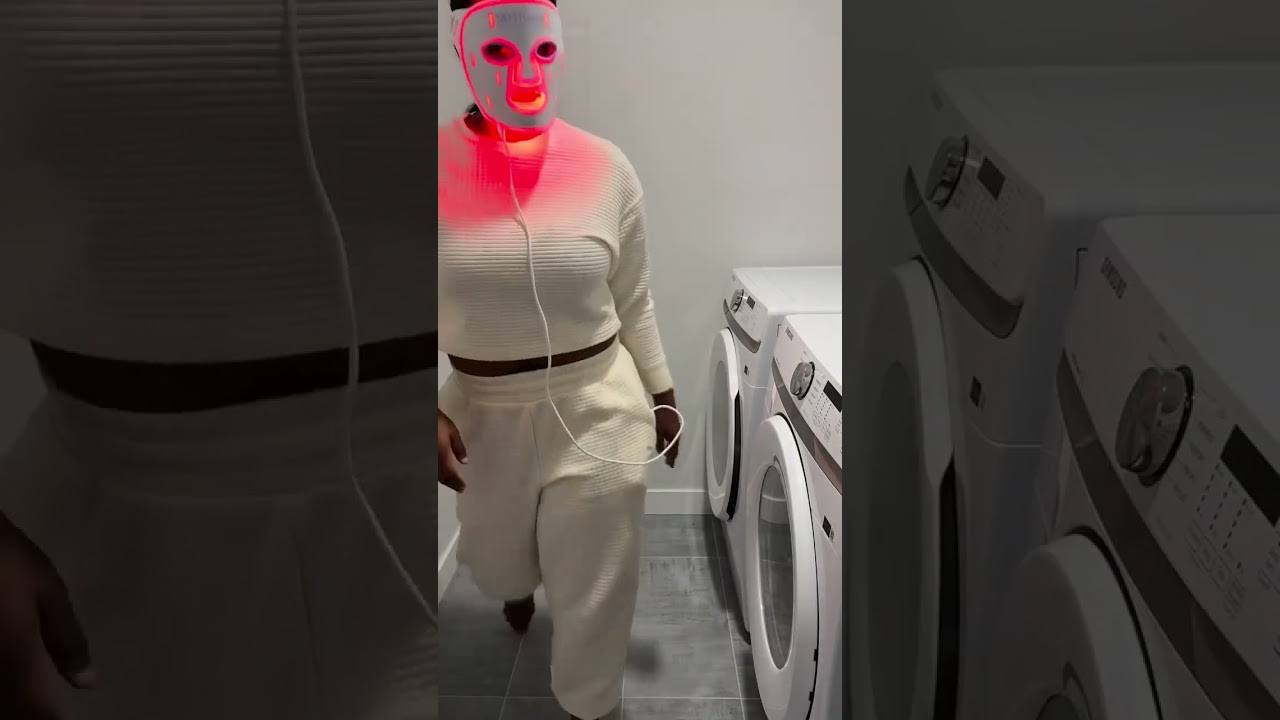
According to Beauty Pie's LED mask guidelines, immediately after treatment, skin may appear red, and skin should return to normal within 1-2 hours. This temporary flush is actually a sign that the LED light therapy is working.
Here's why: LED therapy (especially red and near-infrared wavelengths) increases blood circulation to treated areas. More blood flow = temporary flushing that looks like a mild sunburn or post-workout glow.
What Normal Post-LED Redness Looks Like
Typical, healthy response:
- Mild pink or red flush across treated areas
- Warm feeling (not burning or stinging)
- Fades within 30 minutes to 2 hours
- Consistent across entire treatment area
- No pain, just slight warmth
- Skin feels soft, not irritated
According to Solawave's LED guidance, temporary redness is a slight flush after a session that's normal and usually due to increased blood flow to the area.
Think of it like exercise for your face—increased circulation brings nutrients and oxygen to cells, creating that post-treatment glow.
Why LED Light Causes Temporary Redness
LED therapy works at a cellular level. When specific wavelengths penetrate your skin, they:
Trigger mitochondrial activity: Your cells produce more ATP (cellular energy), which requires increased blood flow to deliver oxygen and nutrients.
Stimulate collagen production: The biological processes involved in building new collagen temporarily increase circulation.
Activate repair mechanisms: Your skin's natural healing response includes bringing more blood to the area.
Research from Dr. Sabrina's LED analysis confirms that minimal tingling or heat during treatments is totally normal during the initial weeks of use.
When Redness Becomes a Problem
Not all post-LED redness is benign. Watch for these warning signs:
Concerning symptoms:
- Redness lasting more than 2-3 hours
- Burning or stinging sensation
- Patchy redness (some areas very red, others normal)
- Skin feels hot, tight, or painful
- Redness worsens instead of fading
- Develops into rash, bumps, or irritation
- Accompanied by itching or peeling
According to Solawave's skin irritation guidance, if you're experiencing prolonged redness, itching, stinging, or any discomfort that lasts, that's a sign of LED device skin irritation.
Common Causes of Excessive Redness
If your post-LED redness seems excessive or uncomfortable, you might be making one of these mistakes:
Using Too Long or Too Frequently
The most common cause of irritation is overuse. According to Cleveland Clinic's LED guidance, you typically need a treatment each week for about a month for significant benefits, with sessions lasting 10-20 minutes.
Going beyond recommended times doesn't enhance benefits—it just increases irritation risk. The Skintekie LED face mask is designed for specific session lengths; exceeding them stresses your skin unnecessarily.
Using on Sensitive or Compromised Skin
If your skin is already irritated, inflamed, sunburned, or freshly exfoliated, LED therapy can exacerbate redness. Your skin barrier needs to be healthy to tolerate treatment properly.
Combining With Irritating Products
Using strong acids, retinol, or other active ingredients immediately before or after LED therapy can create sensitivity. According to CurrentBody's contraindications, several skincare ingredients cause photosensitivity, making skin more susceptible to adverse reactions from LED light.
Insufficient Skin Prep
Treating skin that still has makeup, sunscreen, or heavy products creates a barrier that can trap heat and increase irritation.
How to Minimize Post-Treatment Redness
If you're experiencing more redness than you'd like:
Reduce session duration: Cut back to 10 minutes instead of 15-20, especially when starting.
Lower frequency: If using daily, reduce to every other day or 3-4 times per week.
Cleanse thoroughly first: Ensure skin is completely clean and product-free before treatment.
Skip actives before LED: Wait to use retinol, acids, or vitamin C until after your skin calms from LED treatment (ideally the next day).
Cool skin afterward: Apply a gentle, cooling moisturizer or aloe vera gel 30 minutes post-treatment.
Avoid heat exposure: Skip hot showers, saunas, or exercise immediately after LED sessions.
Timeline: When Redness Should Resolve
Immediately post-treatment: Skin may be noticeably flushed 15-30 minutes: Redness should start fading 1-2 hours: Skin returns to normal color Next day: No residual redness or irritation
If redness extends beyond 2-3 hours or you wake up the next day with persistent flush, take a break from LED therapy and reassess your protocol.
Managing Skin That's Truly Irritated
If you've experienced genuine irritation from LED use:
Take a 48-72 hour break: Let your skin fully recover before resuming.
Simplify skincare: Gentle cleanser, basic moisturizer, SPF only. Skip all actives.
Hydrate intensively: Focus on barrier repair with ceramides, hyaluronic acid, and soothing ingredients.
Restart slowly: When resuming LED, cut session time in half and increase gradually.
Research from Lumivisage's LED timeline shows that using LED therapy for 10-15 minutes, 2-3 times per week delivers results without overwhelming skin.
Different Skin Types, Different Reactions
Sensitive skin: More prone to visible redness that lasts slightly longer. Start with shorter sessions (5-10 minutes) and lower frequency (2-3 times weekly).
Normal skin: Experiences mild temporary flush that resolves quickly. Can typically tolerate standard protocols (10-20 minutes, 3-5 times weekly).
Thicker/resilient skin: May show minimal redness even immediately post-treatment. Can often use higher frequencies without issue.
The Bottom Line
Mild redness immediately after LED face mask use is completely normal and indicates increased blood circulation—a sign the treatment is working. This flush should fade within 1-2 hours maximum.
However, prolonged redness, discomfort, or irritation signals you need to adjust your protocol. Reduce session length, lower frequency, improve skin prep, and avoid combining LED with irritating products.
Understanding how LED technology affects your skin helps you optimize use for maximum benefits with minimal irritation. The Skintekie LED face mask delivers effective light therapy when used according to recommended guidelines—temporary mild redness is expected and normal, but persistent irritation means it's time to adjust your approach.
Related Reading:
Transform Your Skin with LED Light Therapy
The SkinTekie LED Face Mask uses 7 clinically-proven light wavelengths to fight acne, reduce wrinkles, and boost collagen.
Shop LED Face Mask →Sources: NIH - LED Light Therapy Research | AAD - Light Therapy