Can IPL Actually Prevent Ingrown Hairs? Here's What Happens
Share
Red bumps. Painful inflammation. That frustrating cycle of removing hair only to deal with ingrown hairs days later. If this sounds familiar, you've probably wondered if there's any hair removal method that doesn't cause this problem.
Enter IPL—and yes, it can genuinely help prevent ingrown hairs.
Ice-cooling, at-home IPL for long-lasting hair reduction — the smoother-skin fix for chronic ingrowns. $189 · Free US & Canada shipping · 30-day money-back guarantee.
Shop the IPL Device →What Causes Ingrown Hairs in the First Place
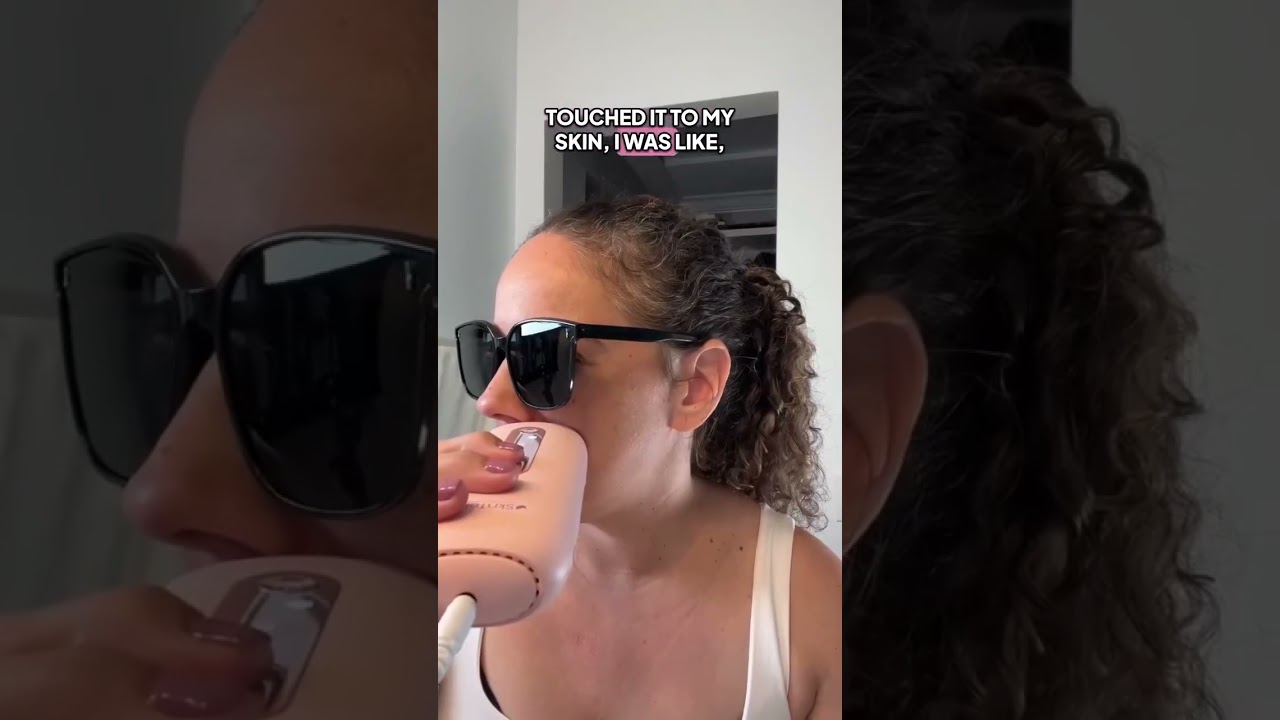
Watch: IPL Hair Removal in Action
Understanding the problem helps explain why IPL is such an effective solution. Ingrown hairs happen when hair that should grow outward from beneath the skin curls back and continues growing inward instead.
Common causes:
- Sharp hair edges from shaving catch on surrounding skin
- Clogged hair follicles from dead skin cells block normal hair growth
- Curly or coarse hair naturally curves back toward skin
- Inflammation from waxing or plucking damages follicles
According to dermatology research, people with naturally curly or coarse hair are significantly more likely to experience ingrown hairs. Certain ethnic groups (African, Latino, Middle Eastern) have higher incidence rates due to hair texture.
The result? Painful, inflamed bumps that can become infected if not properly managed.
How IPL Changes the Ingrown Hair Game
Here's the brilliantly simple reason IPL prevents ingrown hairs: if hair can't grow, ingrown hairs can't form.
IPL targets hair at the follicle level. The light energy damages the follicle's ability to produce hair. Over multiple sessions, hair growth reduces significantly—and the hair that does grow back is finer, softer, and far less likely to curl back into skin.
Research shows that laser hair removal (IPL works similarly) rarely causes ingrown hairs. In fact, studies on pubic hair removal found only 2 participants using laser/IPL technology reported ingrowns, compared to the majority using razors.
The IPL Advantage Over Traditional Methods
Let's compare how different hair removal methods affect ingrown hair risk:
Shaving:
- Creates sharp hair edges that easily penetrate skin
- High ingrown hair risk
- Requires frequent repetition
Waxing/Plucking:
- Pulls hair violently from follicle, causing inflammation
- Damaged follicles more prone to trapping regrowth
- Moderate to high ingrown hair risk
IPL:
- Reduces overall hair growth by 70-90%
- Remaining hair grows back finer and softer
- Dramatically lower ingrown hair risk
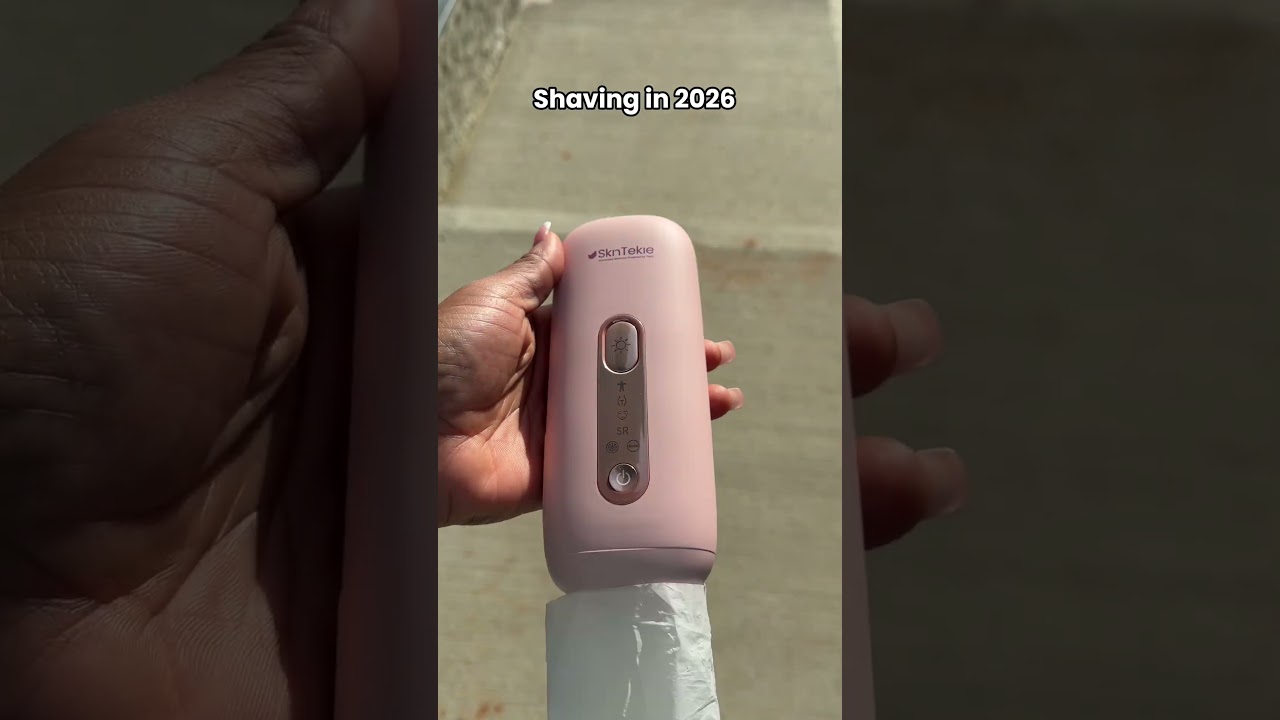
The Skintekie IPL device targets hair follicles directly, offering a long-term solution rather than just temporary removal that leads to more ingrowns.
What to Expect: The IPL Ingrown Hair Timeline
IPL doesn't instantly eliminate ingrown hairs, but results build progressively:
Weeks 1-3: You might still experience some ingrown hairs as you continue shaving between IPL sessions. This is normal—the treatment hasn't yet reduced hair growth significantly.
Weeks 4-6: Noticeable decrease in new ingrown hairs as overall hair growth slows. Existing bumps heal as you stop aggravating them with constant hair removal.
Weeks 8-12: Dramatic reduction in both hair growth and ingrown hair incidents. Areas that previously developed multiple bumps after shaving now stay smooth.
Month 4+: With 70-90% hair reduction achieved, ingrown hairs become rare. The fine hair that does grow is unlikely to curl back into skin.
According to user reports, most people see major drops in ingrown hairs by week 6-8, with full prevention after 3 months of consistent IPL use.
IPL for High-Risk Areas
Certain body areas are notorious for ingrown hairs. Here's how IPL helps each:
Bikini Line and Pubic Area
This area combines multiple risk factors: coarse, curly hair meeting sensitive skin with frequent friction from clothing. IPL significantly reduces the coarse hair that's most problematic, leaving skin smoother with minimal bumps.
Underarms
The combination of daily deodorant, shaving, and clothing friction creates prime conditions for ingrown hairs. IPL eliminates most of this hair, solving the problem at its source.
Legs
While less prone to severe ingrowns than other areas, legs still develop bumps—especially behind knees and along shins. IPL reduces the constant shaving cycle that contributes to these issues.
Beard Area (Men)
Men with coarse facial hair often battle razor bumps and ingrowns. IPL can reduce beard density in problem areas while maintaining desired facial hair elsewhere.
Does IPL Help Existing Ingrown Hairs?
Here's important clarification: IPL won't extract hair that's already stuck under your skin. That ingrown hair needs to be addressed through other means—gentle exfoliation, warm compresses, or professional extraction if severe.
What IPL does: prevent new ingrown hairs from forming by reducing overall hair growth. As you complete your IPL treatment series, you'll notice fewer and fewer new ingrowns developing.
Maximizing IPL's Ingrown Hair Prevention
Get the best results by combining IPL with smart skincare:
Exfoliate regularly: 2-3 times per week between IPL sessions helps remove dead skin cells that could trap emerging hair.
Keep skin moisturized: Healthy, hydrated skin allows hair to break through surface more easily.
Shave properly between sessions: Use sharp razors, shave in direction of growth, and apply moisturizer after—until IPL reduces hair enough that you rarely need to shave.
Avoid tight clothing: Friction can contribute to ingrown hairs even with IPL treatment. Choose breathable fabrics when possible.
Understanding how IPL works to reduce hair growth helps you optimize treatment for ingrown hair prevention.
Who Benefits Most from IPL for Ingrown Hairs
IPL ingrown hair prevention works best for:
People with light to medium skin and dark hair: This combination gives IPL optimal contrast to target follicles effectively.
Those with chronic ingrown hair problems: If you consistently develop bumps after every shave or wax, IPL can transform your experience.
Anyone tired of constant hair removal: IPL reduces the frequency of shaving/waxing that triggers most ingrown hairs.
People with coarse or curly hair in problem areas: The hair types most prone to ingrowns respond well to IPL reduction.
What IPL Can't Fix
Be realistic about limitations:
- Very dark skin with dark hair (IPL can't safely distinguish between skin and hair)
- Blonde, red, gray, or very fine hair (insufficient melanin for IPL to target)
- Existing severe ingrown hairs (these need treatment before starting IPL)
For these situations, consult a dermatologist about alternative approaches.
The Bottom Line
IPL genuinely prevents ingrown hairs by addressing the root cause—literally. By reducing hair growth by 70-90% and making remaining hair finer and softer, IPL eliminates most opportunities for hair to curve back into skin.
If you're tired of the painful, frustrating cycle of hair removal followed by inflamed bumps, the Skintekie IPL device offers a long-term solution. With consistent treatment over 8-12 weeks, you can finally achieve smooth skin without the constant battle against ingrown hairs.
The best part? Once you've completed your initial treatment series, you maintain smooth skin with just occasional touch-up sessions—no more daily shaving, no more painful waxing, and far fewer ingrown hairs.
Related Reading:
Say goodbye to ingrown hairs
The Skintekie IPL Hair Removal Device features ice-cooling technology for comfortable, long-lasting hair reduction at home — $189, with free shipping and a 30-day money-back guarantee.
Shop the IPL Device →Sources: NIH - IPL for Hair Removal | AAD - Laser Hair Removal Guide