IPL Bikini Area Hair Removal: Safe Use Guide & Expert Tips
Share
Razor burn, waxing pain, ingrown hairs—if you're dealing with constant bikini line frustration, IPL hair removal probably sounds appealing. But when it comes to such a sensitive area, you rightfully have questions about safety and proper technique.
Let's talk about how to use IPL on your bikini area safely and effectively.
Which Bikini Areas Can You Safely Treat?
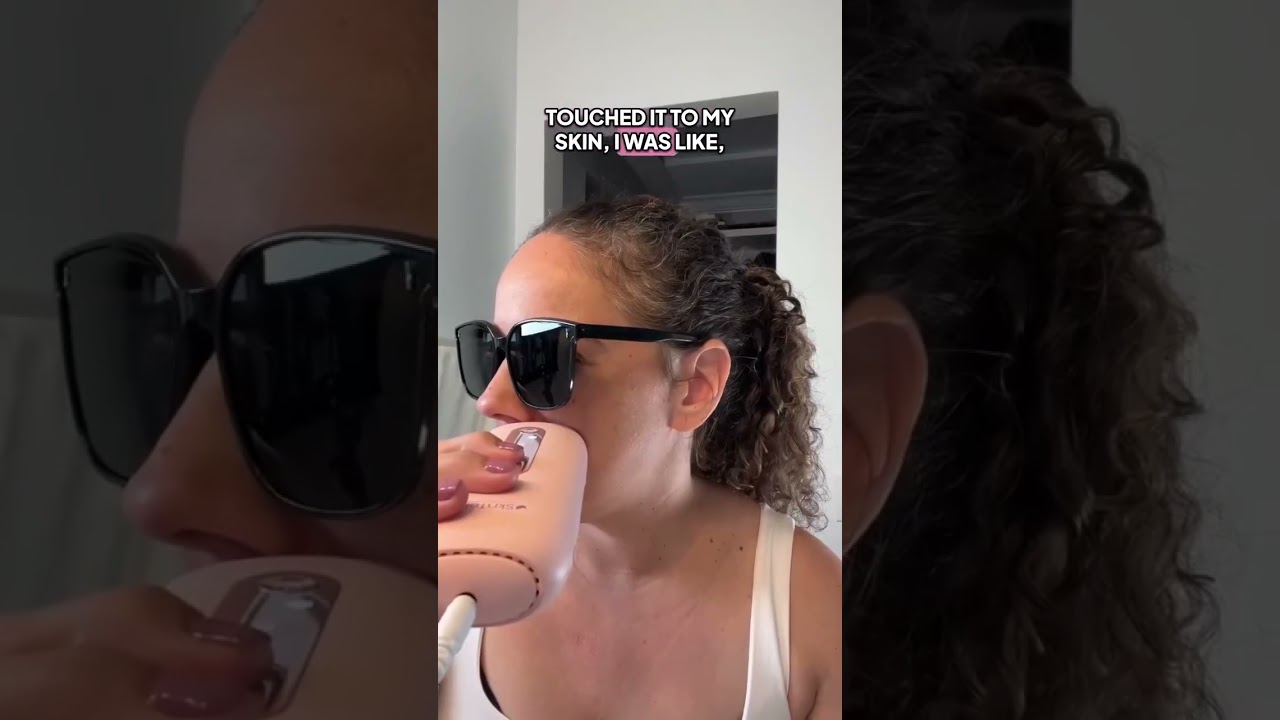
Watch: IPL Hair Removal in Action
This distinction is crucial: IPL is safe for external bikini areas only. According to medical safety guidelines, it's essential to differentiate clearly between external bikini areas and internal genital areas.
Safe to treat:
- Bikini line (where hair would be visible in a swimsuit)
- Upper pubic area (mons pubis)
- Inner thigh crease
- External areas around the bikini line
Never treat:
- Inner labia
- Vaginal area
- Internal genital tissues
- Mucous membranes
Why the restriction? Internal tissues are highly sensitive and can be seriously injured by IPL light. Always stay on external skin areas where hair is visible when wearing swimwear.
Preparing Your Bikini Area for IPL
Proper preparation makes treatment safer and more effective:
24 hours before treatment: Shave the area thoroughly with a clean, sharp razor. IPL needs the hair root present beneath the skin, so never wax or pluck before treatment. According to bikini IPL best practices, shaving ensures light pulses hit hair follicles directly without being interrupted by surface hair.
Right before treatment:
- Cleanse skin thoroughly—no lotions, oils, or products
- Ensure the area is completely dry
- Check for any cuts, irritation, or active breakouts
- Avoid treating during menstruation if skin feels extra sensitive
The Patch Test: Non-Negotiable for Sensitive Skin
Before treating your entire bikini area, perform a patch test on a small section (like upper inner thigh). Wait 24-48 hours to ensure no adverse reactions like excessive redness, blistering, or prolonged discomfort.
This step isn't optional for intimate areas—the skin here is significantly more sensitive than legs or arms.
Choosing the Right Intensity Setting
Start with the lowest intensity setting. Bikini skin is thinner and more delicate than other body areas. According to dermatology research, using lower settings initially allows you to assess tolerance before increasing intensity.
Many people find they need to stay one level below what they use on their legs, even after skin acclimates to treatment. This isn't a sign IPL won't work—it's protecting sensitive tissue while still delivering effective hair reduction.
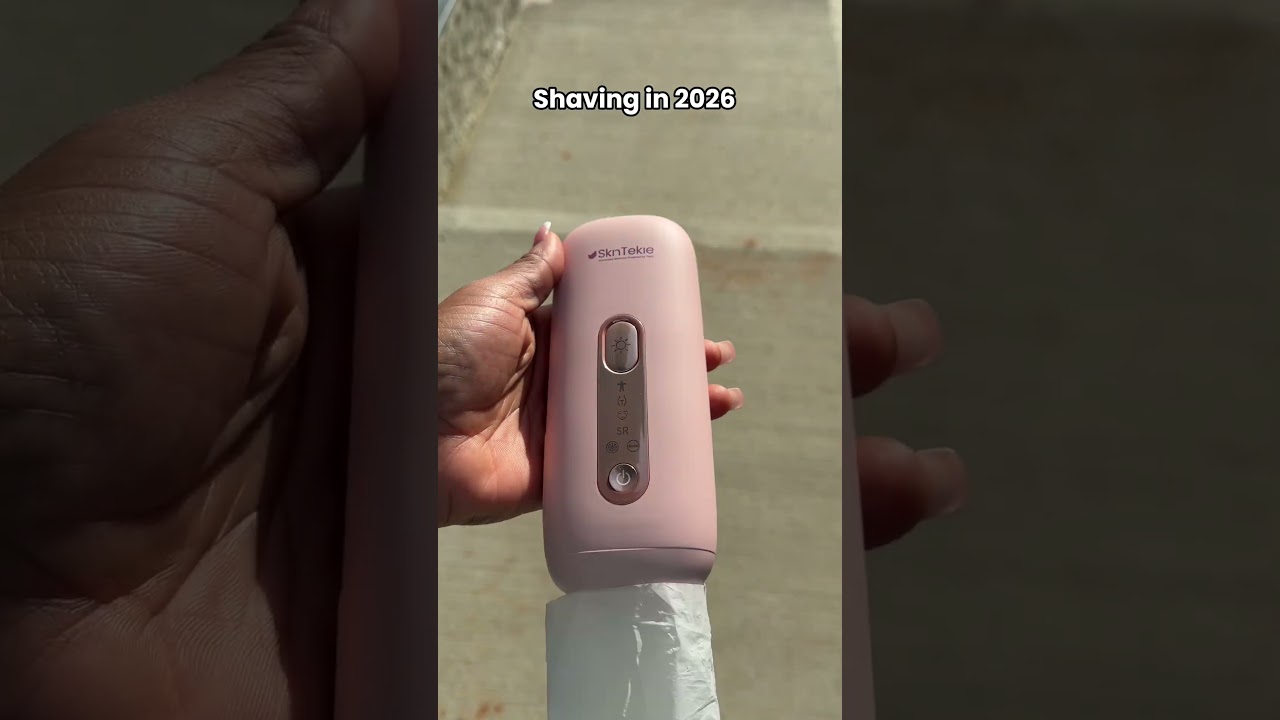
The Skintekie IPL device offers adjustable intensity levels specifically so you can find the right power for each body area, including sensitive zones.
Step-by-Step Bikini Area Treatment
1. Position yourself comfortably in good lighting where you can see the treatment area clearly.
2. Start with outer edges (bikini line) before moving to more sensitive central areas.
3. Keep device in full contact with skin—no gaps between flash window and skin surface.
4. Don't overlap pulses on the same spot. Hitting areas multiple times increases irritation risk.
5. Work systematically to ensure you don't miss spots or accidentally double-treat areas.
6. Stop immediately if you experience sharp pain, burning sensation, or extreme discomfort.
Post-Treatment Bikini Care
The first 24-48 hours after IPL treatment are critical for intimate areas:
Immediately after:
- Apply soothing aloe vera gel if needed
- Wear loose, breathable cotton underwear
- Avoid tight clothing that creates friction
For 48 hours:
- No hot baths, saunas, or steam rooms
- Skip swimming pools (chlorine irritates freshly treated skin)
- Avoid intense exercise that causes sweating
- No sexual activity (friction on treated skin can cause irritation)
Ongoing:
- Apply SPF 30+ if bikini area will be exposed to sun
- Continue gentle moisturizing
- Watch for any signs of infection or unusual reactions
Common Bikini Area Mistakes
Treating during active breakouts or skin irritation: Wait until skin is completely healed.
Using products before treatment: Lotions, oils, deodorant, or perfume create barriers that reduce effectiveness and increase burn risk.
Treating tanned skin: Recent sun exposure makes IPL unsafe. Wait until any tan completely fades.
Skipping the waiting period between sessions: Bikini skin needs 1-2 weeks recovery between treatments.
Understanding proper IPL hair removal techniques helps you avoid these errors that reduce results and increase irritation risk.
Realistic Results Timeline for Bikini Hair
Bikini hair tends to be coarser and darker than other body hair, which actually makes it respond well to IPL:
Weeks 1-3: Hair sheds gradually after treatment sessions Weeks 4-6: Noticeable reduction in regrowth; hair grows back finer
Weeks 8-12: Significant hair reduction; smooth skin lasting much longer than with shaving Month 4+: Maintenance mode—touch-ups every 4-8 weeks
The bikini area often shows faster results than areas with finer hair because IPL targets dark, coarse hair most effectively.
When to Stop and Seek Professional Advice
Discontinue bikini area IPL immediately if you experience:
- Burns, blisters, or severe pain
- Redness lasting more than 24 hours
- Unusual discharge or signs of infection
- Skin discoloration that doesn't fade
- Persistent swelling
Consult a dermatologist if any of these occur—don't try to "push through" concerning symptoms.
The Bottom Line
IPL is safe and effective for external bikini area hair removal when used correctly. The key is starting with low intensity, following proper preparation protocols, allowing adequate recovery time between sessions, and never treating internal tissues.
With patience and proper technique, the Skintekie IPL device can dramatically reduce bikini hair, eliminating the constant cycle of painful waxing and daily shaving that causes irritation and ingrown hairs.
Treat your bikini area with extra care and caution, and you'll enjoy long-lasting smooth skin without the pain and hassle of traditional hair removal methods.
Related Reading:
Ready to Start Your IPL Journey?
The SkinTekie IPL Hair Removal Device features ice-cooling technology for pain-free, permanent results at home.
Shop IPL Device →Sources: NIH - IPL for Hair Removal | AAD - Laser Hair Removal Guide