Can LED Face Masks Help with Dry Skin? What Dermatologists Say
Share
You have dry, dehydrated skin and everyone's raving about LED face masks. But you're hesitant because the last thing your parched skin needs is another treatment that strips moisture. Fair concern—let's talk about what LED therapy actually does for dry skin.
The Surprising Truth About LED and Hydration
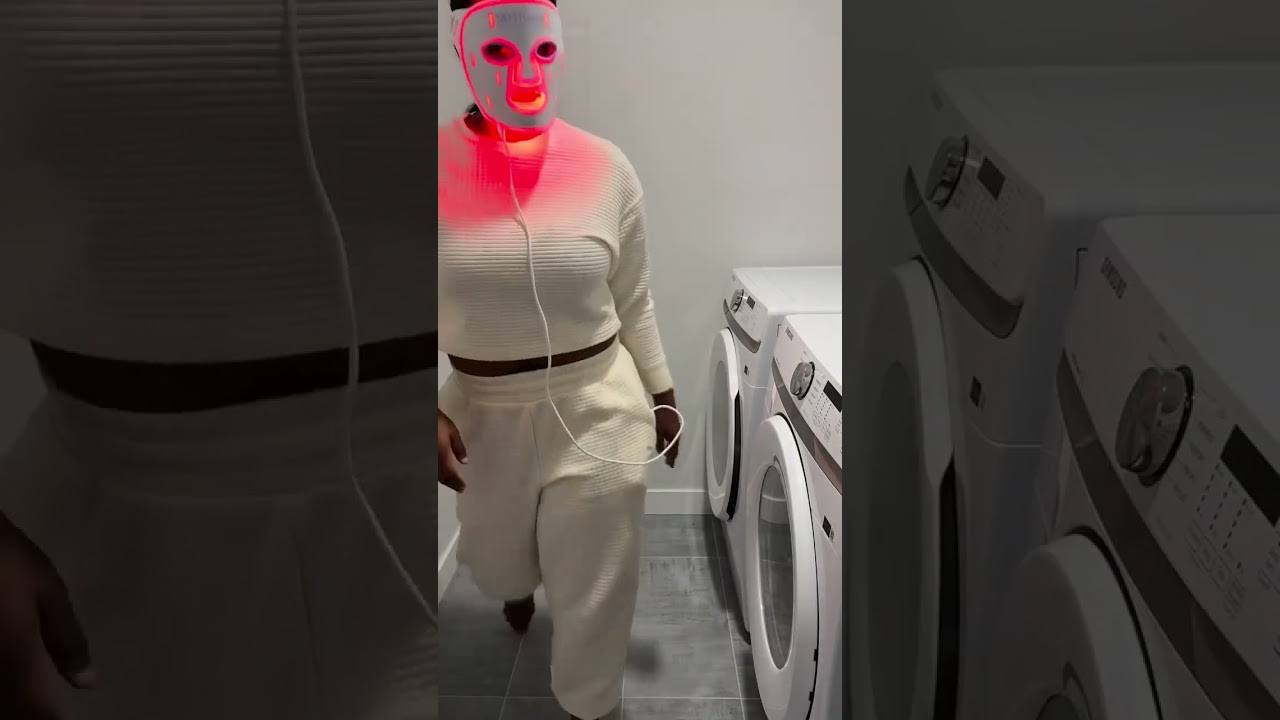
Watch: LED Face Mask Results
Here's what might surprise you: LED light therapy doesn't directly hydrate skin the way a moisturizer does. However, it creates conditions that help your skin hold onto moisture better.
According to dermatologist recommendations from CurrentBody's expert panel, red and near-infrared light therapy can improve inflammatory skin conditions like impaired skin barriers—which is often the root cause of chronic dry skin.
Think of it this way: LED therapy repairs the foundation (your skin barrier), which then allows your skin to retain the hydration you're giving it.
How LED Actually Helps Dry Skin
Improved Circulation: Red light therapy increases blood flow, bringing more nutrients and oxygen to skin cells. Better circulation supports healthier, more resilient skin that holds moisture effectively.
Barrier Repair: Near-infrared light penetrates deep to support skin barrier function. A healthy barrier prevents trans-epidermal water loss—the main cause of chronic dryness.
Reduced Inflammation: Chronic dryness often involves low-level inflammation. Red light therapy calms this inflammation, allowing skin to function normally.
Enhanced Product Absorption: LED therapy increases circulation and cellular activity, helping your moisturizers and serums penetrate more effectively. According to Marie Claire's LED mask testing, reviewers with dry, dehydrated skin found their skin looked and felt increasingly glowy over time when using LED therapy regularly.
The Key: Pairing LED with Proper Hydration
LED therapy for dry skin works best when combined with hydrating products. Research from LED Esthetics shows that hydrogel masks are especially effective after LED light therapy, when skin is more receptive to deep hydration.
Here's the winning routine:
- Cleanse gently (avoid stripping cleansers)
- Use LED mask on clean, dry skin
- Immediately apply hydrating serum (hyaluronic acid works great)
- Follow with rich moisturizer to seal in hydration
According to CurrentBody's usage guidelines, if your skin feels dry and tight post-treatment, incorporate hyaluronic acid serum or hydrogel masks into your routine before using your LED mask.
What NOT to Do
Don't use LED on dry skin without following up with moisturizer. The increased circulation and cellular activity means your skin needs hydration support.
Don't use harsh products before LED therapy. Skip acids, retinol, or exfoliants right before treatment if you have dry skin—these can increase sensitivity.
Don't expect LED alone to fix dehydration. LED enhances your skincare routine but doesn't replace proper hydration from topical products and drinking water.
Best LED Wavelengths for Dry Skin
Red Light (630-680nm): Primary choice for dry skin. Supports collagen production, improves circulation, and helps barrier repair.
Near-Infrared (800-850nm): Penetrates deeper to support skin structure and long-term barrier health.
Avoid blue light for dry skin: Blue light targets acne bacteria but can be slightly drying. Stick with red/infrared wavelengths if dryness is your main concern.
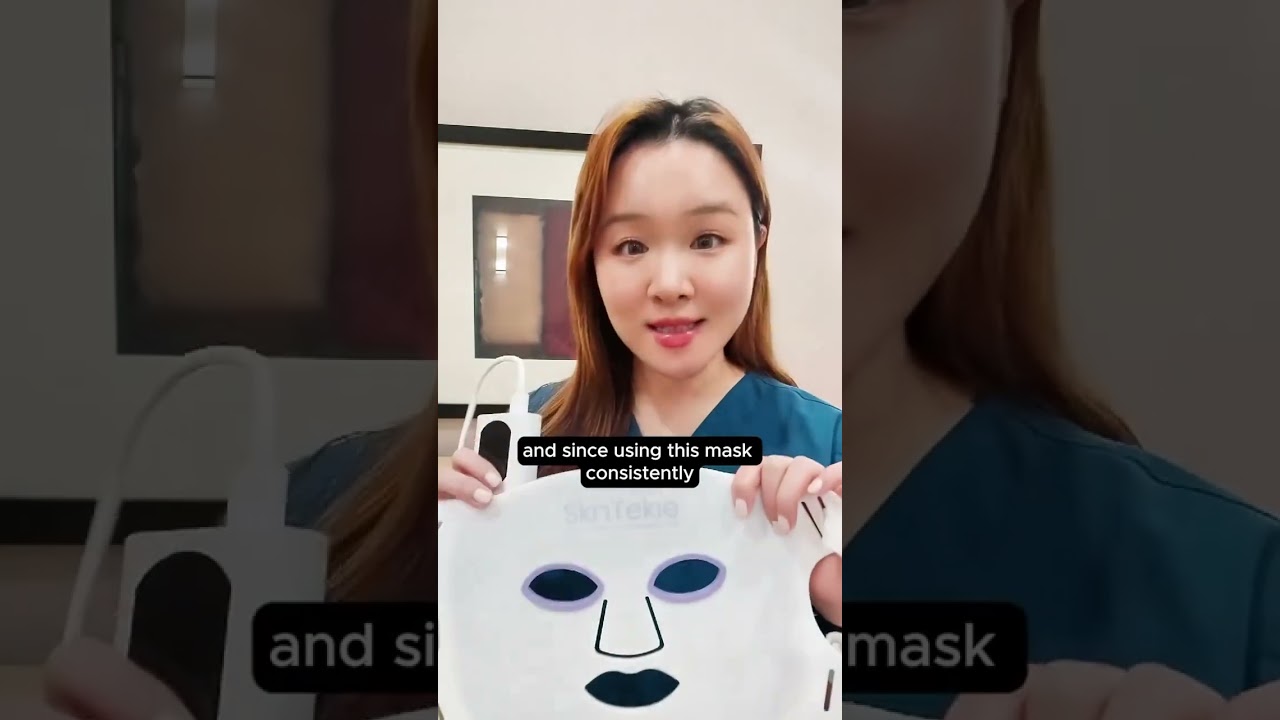
The Skintekie LED face mask offers multiple wavelengths, allowing you to focus on red light therapy specifically for dry skin concerns.
Realistic Timeline for Dry Skin Improvements
Weeks 1-2: Skin may feel slightly more plump and hydrated when paired with good moisturizers Weeks 3-4: Noticeable improvement in skin texture and reduced tightness Weeks 6-8: Skin barrier feels stronger, less reactive to environmental factors Weeks 8+: Significant improvement in chronic dryness with consistent use
The Bottom Line
LED face masks don't hydrate dry skin directly, but they create optimal conditions for your skin to retain moisture and function properly. For dry skin, LED therapy works as a powerful complement to—not replacement for—good hydrating skincare.
Pair red light therapy with quality hydrating products, be consistent with treatments, and give your skin the 6-8 weeks needed to see real barrier improvements. Understanding how LED technology works with your skincare routine helps you get the most from both your device and your products.
For dry skin, LED therapy is absolutely worth trying—just make sure you're supporting it with proper hydration before and after treatments.
Related Reading:
Transform Your Skin with LED Light Therapy
The SkinTekie LED Face Mask uses 7 clinically-proven light wavelengths to fight acne, reduce wrinkles, and boost collagen.
Shop LED Face Mask →Sources: NIH - LED Light Therapy Research | AAD - Light Therapy