Best Rechargeable LED Face Masks 2026: Battery Life Compared
If you've searched "best rechargeable LED face mask," you've probably already noticed the results are a mess. Some "rechargeable" masks are a single wireless unit you wear like a helmet. Others have a battery pack you charge separately, connected to the mask by a short cord. A few aren't rechargeable at all — they just plug into the wall the whole session and someone slapped "rechargeable" on the listing anyway.
We make one of these devices, so we're not a neutral party. But the category is genuinely confusing, and the specification that matters most — how long it actually runs on a charge — is the one most brands leave off the page.

What "rechargeable" actually means in this category
There are three designs on the market, and they get marketed almost identically:
Battery in the mask
The battery sits inside the mask itself. You charge it, then wear it. Because the battery has to be small enough to fit inside the panel, these masks tend to carry fewer LEDs and shorter runtimes.
Battery in the controller
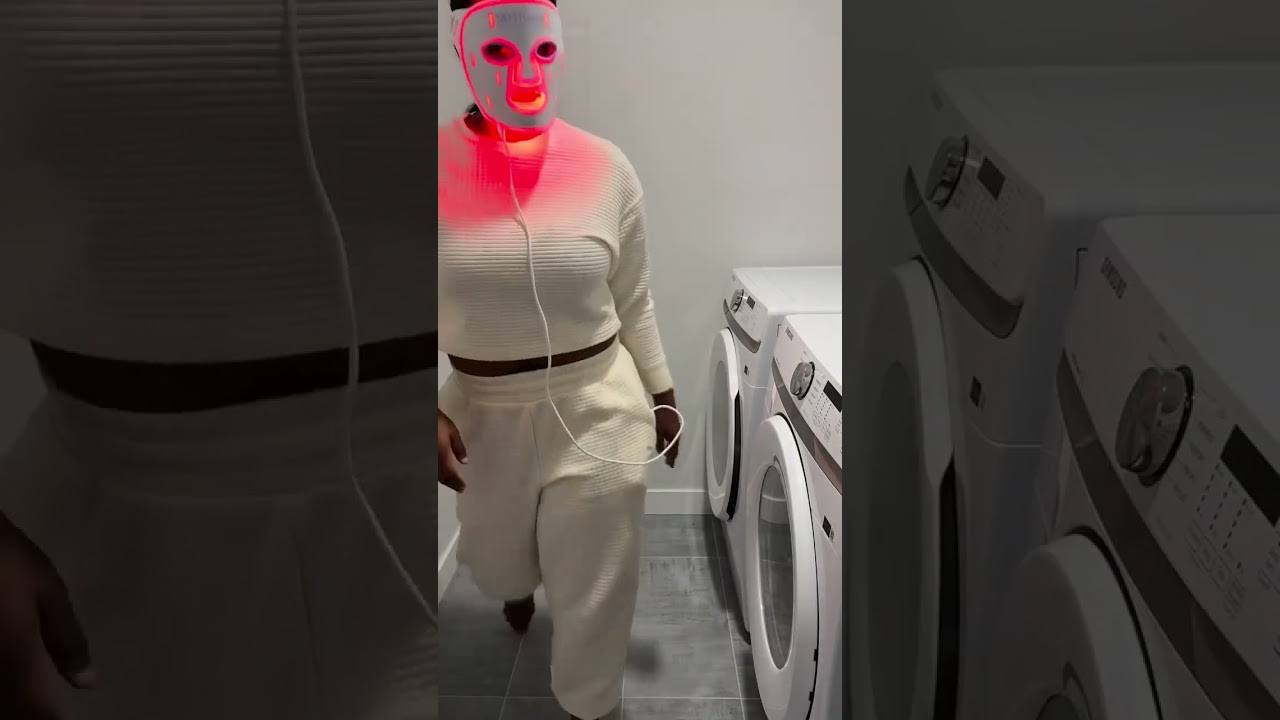
The battery lives in a handheld controller connected to the LED panel by a short cable. You are not tied to a wall outlet — the whole system runs off the controller's battery, you slip the controller in a pocket, and you can move around the house for the length of the session. Because the battery is not competing for space inside the panel, this design can carry a bigger cell and a denser LED array. This is how the Skintekie LED Face Mask works: a 4000 mAh battery in the controller powering a 114-LED panel, charged over USB.
Wall-powered, no real battery
The mask has to stay plugged into an outlet for the entire session. Some of these still get marketed as "rechargeable." If a listing doesn't say how long the device runs unplugged, assume it doesn't.
Runtime is the number to compare
This is where the differences are biggest, and where the marketing is quietest. Published figures from each brand:
| Mask | Battery | Stated runtime |
|---|---|---|
| Skintekie | 4000 mAh | Up to 3.5 hours |
| Therabody TheraFace Mask | Not published | About 120 minutes (LED mode) |
| HigherDOSE Red Light Face Mask | Not published | 80–100 minutes |
At roughly 3.5 hours, the Skintekie mask runs longer on a charge than either — around twice the HigherDOSE figure and close to double the TheraFace. At a 10-minute session that is the difference between charging every week or two and charging every few days.
It is also the clearest illustration of the trade-off in this category: moving the battery out of the panel is what makes both the bigger cell and the denser LED array possible.
What to actually check before you buy
Skip the marketing copy and look for these directly on the spec sheet:
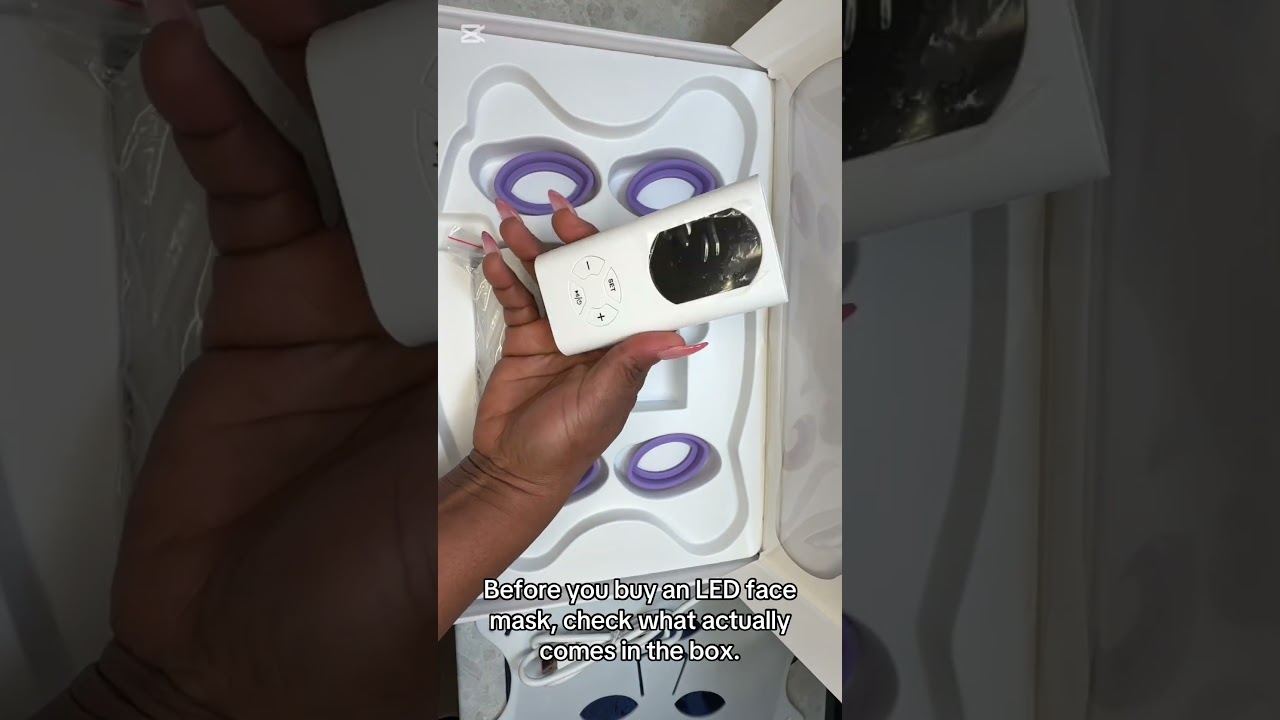
- Battery capacity in mAh, and stated runtime. A number tells you more than the word "rechargeable" ever will. Ours is 4000 mAh, up to 3.5 hours, charged over USB. If a listing gives you neither figure, ask before you buy.
- Where the battery lives. In the mask, in a controller, or nowhere at all. This determines whether you can leave the room.
- LED count. This varies from under 50 to well over 200. More LEDs generally means more even coverage across the face.
- Wavelengths in nanometres. Look for the actual numbers — 630nm red, 830nm near-infrared, 415nm blue are the common ones — not just colour names. Here is how the three differ.
- Session control. An adjustable timer with auto shutoff beats a fixed programme. Ours runs 1 to 30 minutes with brightness adjustable from 0 to 100%.
- Regulatory status. In the US, at-home LED devices in this class go through the FDA's 510(k) clearance pathway. Clearance is not the same thing as FDA approval, and it is worth knowing which one a brand is actually claiming.
Where the Skintekie mask fits

The spec sheet for the Skintekie LED Face Mask: 114 LEDs, six modes (red, blue, near-infrared, red+blue, red+near-infrared, and all arrays together), a 4000 mAh rechargeable battery in the handheld controller giving up to 3.5 hours of use, USB charging, a 1-to-30-minute adjustable timer with auto shutoff, brightness adjustable from 0 to 100%, 395g, and FDA clearance. $239.
The controller slips into a pocket, so you are free to move around while it runs — you are charging it far less often than most of what you will compare it against.
A quick checklist before you buy any rechargeable LED mask
- Ask for battery capacity in mAh and stated runtime — not just the word "rechargeable"
- Confirm whether the battery is in the mask, in a controller, or absent entirely
- Get the actual wavelength numbers, not just colour names
- Check whether the timer is adjustable and whether brightness is
- Check the LED count, and whether that number includes a neck attachment
- Ask what a full charge gets you in real sessions
Compare Skintekie and HigherDOSE side by side → | Compare Skintekie and the TheraFace Mask →
Results vary from person to person. This article is educational content, not medical advice. If you have an active skin concern, talk to a dermatologist or other qualified professional before starting any at-home light therapy device.