Are IPL Hair Removal Devices Safe? Here’s the Honest Answer
Share
You’ve probably seen IPL hair removal devices all over TikTok. Maybe you’ve watched a few “before and after” videos, added one to your cart, and then hesitated — wondering if these things are actually safe to use at home, or if you’re one wrong setting away from a skin disaster.
That hesitation? Completely reasonable. And honestly, it shows you’re being smart about it.
The short answer is: yes, IPL hair removal devices are safe for most people — but with some important caveats that most brands gloss over. So let’s talk about all of it. The good, the not-so-great, and exactly who should and shouldn’t be using these devices.
|
“Over 25 years of clinical data on IPL use has not raised concerns about long-term safety. Studies show no credible cancer risk, no evidence of carcinogenicity, and high satisfaction among users.” — Published research in Lasers in Medical Science |
First, What Actually Is IPL?
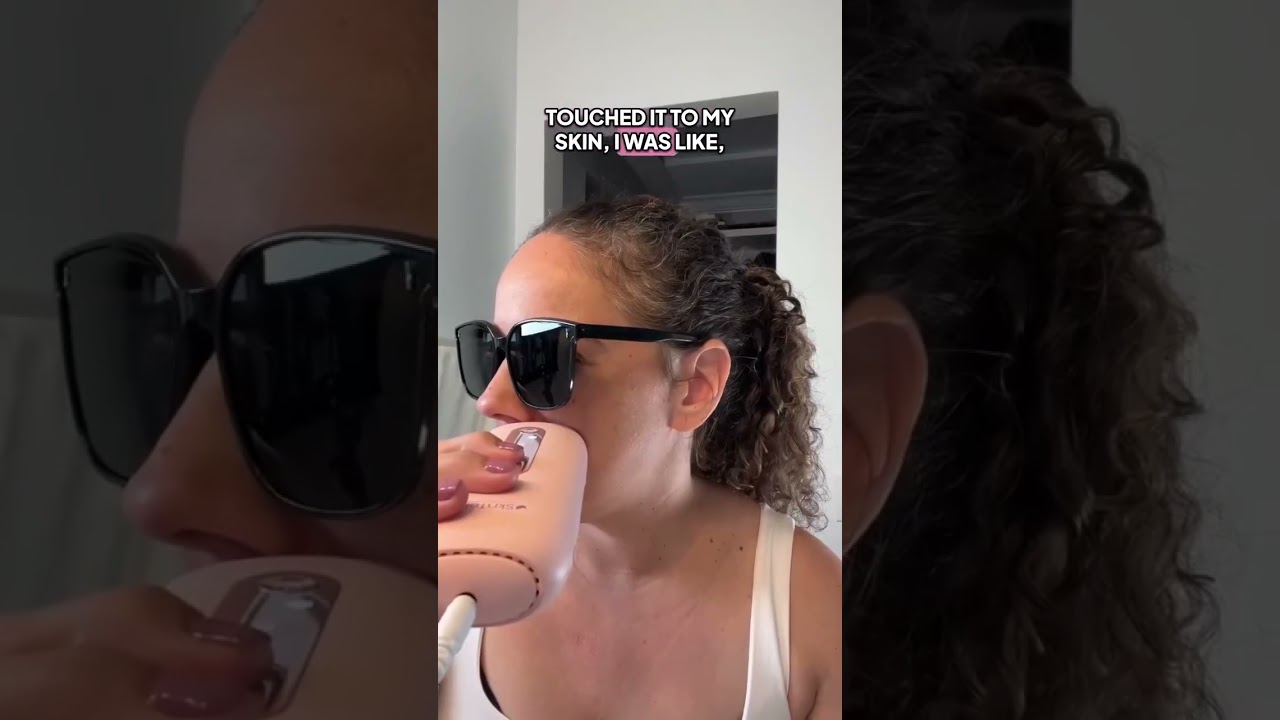
Watch: IPL Hair Removal in Action
IPL stands for Intense Pulsed Light. Unlike a laser, which fires a single focused wavelength of light, IPL emits a broad spectrum of light that targets the melanin (dark pigment) inside your hair follicle. The light converts to heat, that heat travels down to the root, and it disrupts the follicle’s ability to grow hair back.
Think of it like this: your hair follicle is basically a solar panel for dark pigment. IPL floods it with light, overloads it, and over repeated sessions, the follicle just… gives up trying to grow hair.
Home devices are intentionally built with lower energy output than clinic-grade machines. This is actually a deliberate safety feature — it means they’re gentler on your skin, though it also means you’ll need more sessions to see full results.
So Are IPL Devices Actually Safe?
For the majority of people: yes. A multicenter clinical study found no long-term complications after three sessions of at-home IPL treatment. In another trial, 77 users showed significant hair reduction with no serious adverse events. The adverse event reporting rate from one major manufacturer’s postmarketing data over six years came out to just 67 reports per 100,000 devices shipped — a reassuringly small number.
But safety isn’t a blanket guarantee. It depends heavily on two things: your skin tone and hair colour, and how you use the device. Get those right, and IPL is one of the safest hair removal options available. Get them wrong, and you can run into real problems.
What Are the Common Side Effects?
Let’s be transparent here. Most people will experience at least some minor reactions, especially in the first few sessions. Here’s what’s normal:
The Mild Stuff (Very Common)
-
Temporary redness and flushing that fades within a few hours
-
A sensation similar to mild sunburn or a rubber band snap
-
Slight skin sensitivity for 24–48 hours after treatment
-
Minor swelling in the treated area
These are normal responses. Your follicles are being deliberately disrupted — a little redness just means it’s working. A cool gel or aloe vera applied after your session will calm things down quickly.
The Rarer (But Real) Risks
|
⚠️ The overwhelming majority of side effects happen when people skip the instructions, use devices on incompatible skin tones, or don’t do a patch test first. The technology itself is not inherently dangerous — misuse is where problems arise. |
The Skin Tone Conversation Nobody Has Honestly
This is probably the most important section of this entire post, and it’s one that many brands skim over. Here it is plainly:
IPL works by targeting melanin. The more contrast between your skin tone (lighter) and your hair colour (darker), the better — and safer — it works. Traditional IPL devices were really designed for people with fair to medium skin tones and dark hair.
If you have a deeper skin tone, the device can struggle to differentiate between the melanin in your hair and the melanin in your skin — which is what creates the risk of burns or discolouration.
That said, technology has come a long way. Many modern devices now include automatic skin tone sensors that read your complexion before each flash and adjust intensity accordingly. If you have an olive, medium-brown, or darker skin tone, look specifically for a device with this feature — it’s not optional for you, it’s a necessity.
Hair Colour Compatibility
IPL also doesn’t work on hair that lacks melanin. That means:
If your hair colour falls outside the compatible range, IPL simply won’t be effective — regardless of how safe it is.
Who Should Avoid IPL Devices?
IPL isn’t for everyone. You should skip it (or speak to your doctor first) if:
-
You are pregnant
-
You have a history of keloid scarring
-
You have active skin conditions like psoriasis, eczema, or open wounds in the treatment area
-
You are currently taking photosensitive medications (like certain antibiotics or acne treatments)
-
You have a history of skin cancer, or active lesions you haven’t had assessed
-
Your skin tone falls outside the device’s compatibility range
-
You have tattoos or permanent makeup in the treatment area (IPL can react with the ink)
When in doubt, consult a dermatologist. A 15-minute appointment can save you a lot of stress and skin damage down the line.
How to Use IPL Safely at Home
Here’s the honest truth: most side effects are preventable. Follow these steps and you’re already ahead of the curve.
Before Your Session
-
Do a patch test on a small area 24 hours before your first full treatment
-
Shave the area 12–24 hours before (don’t wax or thread — the follicle needs to be intact)
-
Avoid sun exposure and tanning for at least two weeks before treatment
-
Remove any fake tan or tanning creams
-
Don’t use IPL over moles, birthmarks, or tattooed skin
During Your Session
-
Always wear the included protective eyewear
-
Start on the lowest intensity setting, especially on your first session
-
Never flash the same spot more than once per session
-
Keep the device in full contact with your skin before firing (most devices have a safety sensor that won’t flash unless contact is confirmed)
-
Work methodically — treat one area fully before moving on
After Your Session
-
Apply a cooling gel or aloe vera to soothe redness
-
Avoid hot showers, steam rooms, or saunas for 24 hours
-
Wear SPF whenever you go outside — treated skin is more sensitive to UV
-
Skip perfume, exfoliants, or active skincare on treated areas for 48 hours
What to Look For in a Safe IPL Device
Not all IPL devices are created equal. Here’s what separates a trustworthy device from one that could cause problems:
|
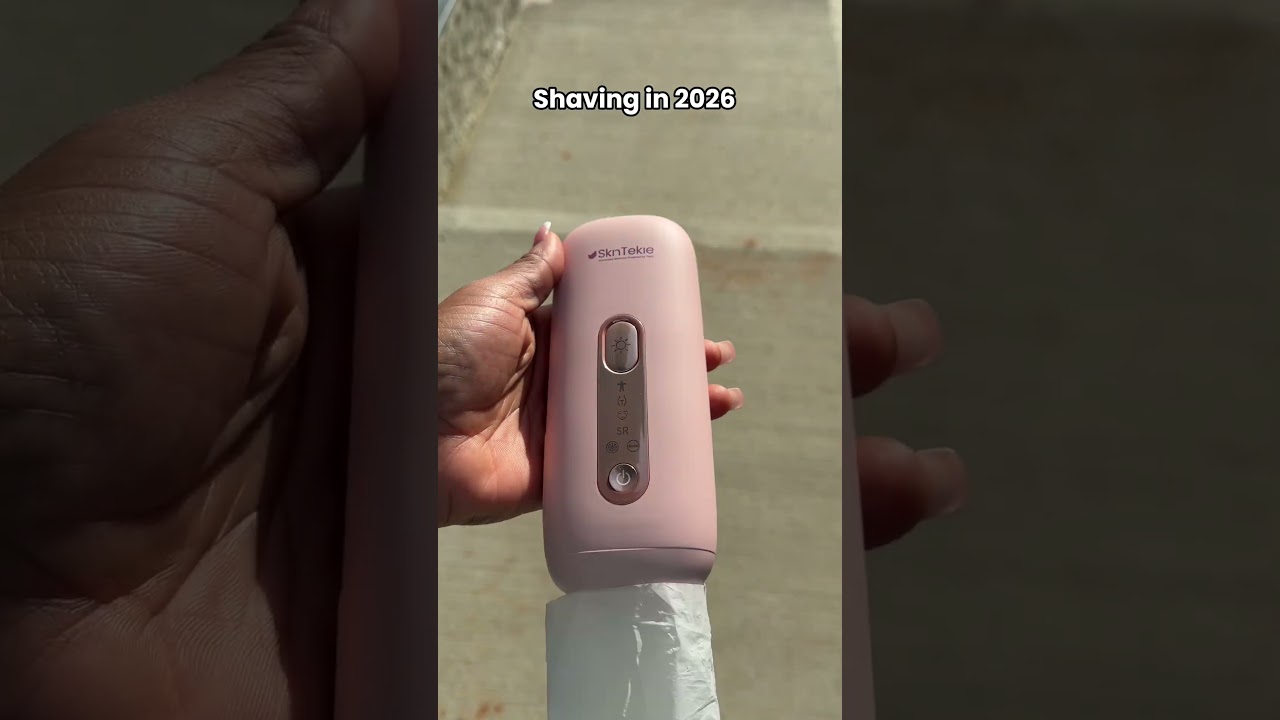
✅ The Skintekie IPL Hair Removal Device is FDA-cleared and built with automatic skin sensing technology for a safer, more effective at-home experience. At $189, it’s a fraction of the cost of clinic treatments — without compromising on the features that matter most. |
How Does IPL Compare to Other Hair Removal Methods?
To put the safety question in perspective, here’s how IPL stacks up against the alternatives:
|
Method |
Safety Level |
Permanence |
Cost |
|
Shaving |
Very high |
None |
Low (ongoing) |
|
Waxing |
Moderate (burns, ingrowns) |
Temporary |
Medium (ongoing) |
|
Depilatory creams |
Moderate (chemicals) |
Temporary |
Low (ongoing) |
|
At-home IPL |
High (if used correctly) |
Long-lasting |
Medium (one-time) |
|
Clinic laser |
Very high (professional) |
Permanent |
Very high |
IPL sits in a genuinely strong position here. It’s safer than waxing for sensitive skin, far less chemically aggressive than depilatory creams, and delivers long-lasting results that shaving simply can’t.
Setting Realistic Expectations
One thing that can make people feel like IPL “failed” them is going in with unrealistic expectations. So here’s what you can actually expect:
Patience is genuinely part of the process. IPL works with your hair’s natural growth cycle — it can only treat hairs in the active growth phase, which is why multiple sessions are needed to catch every follicle.
Frequently Asked Questions
Can IPL cause cancer?
No. Over 25 years of clinical research has found no evidence that IPL causes skin cancer or increases cancer risk. Studies involving up to 52 treatment sessions found no carcinogenic effects.
Is IPL safe to use on the face?
Yes, with caution. Most devices are safe for the cheeks, upper lip, and chin. However, never use IPL near your eyes, on your eyebrows, or on your upper cheek area close to the eye socket. Some devices include specific lower-intensity settings for facial use.
Can I use IPL if I have dark skin?
It depends on the device. Traditional IPL devices carry higher risk for darker skin tones due to the way they interact with melanin. If you have a deeper skin tone, look specifically for a device with an automatic skin tone sensor. Always do a patch test, and when in doubt, consult a dermatologist first.
How painful is IPL at home?
Most people describe it as a light snapping sensation — similar to a rubber band against the skin. It’s significantly less painful than waxing. Higher intensity settings will feel more noticeable, which is another reason to start low and build up.
How often should I use my IPL device?
For the initial course: every 2 weeks for the first 4–6 sessions. After that, once monthly or as maintenance as needed. Never treat the same area more than once in a single session.
What happens if I use IPL on a tan?
This is risky. Tanned skin has elevated melanin levels, which means IPL light may target your skin rather than your hair follicle. Wait at least two weeks after sun exposure or fake tan before using your device.
The Bottom Line
Are IPL hair removal devices safe? For most people, absolutely — and the clinical evidence backs that up strongly.
The key is matching the right device to your skin tone and hair colour, following the instructions, and having realistic expectations about the timeline. When you do those three things, IPL is one of the most effective, cost-efficient, and low-risk ways to reduce unwanted hair long-term.
Is it perfect for everyone? No. If you have very dark skin, very light hair, certain medical conditions, or you’re pregnant, it’s not the right tool for you. But for a huge proportion of people, it absolutely is.
The $189 one-time investment in an FDA-cleared device compares extremely favourably to the thousands you’d spend at a clinic for the same results — as long as you use it correctly.
|
💡 Ready to try IPL at home? The Skintekie IPL Hair Removal Device is FDA-cleared, equipped with smart skin-sensing technology, and backed by a 90-day money-back guarantee. Smooth skin without the salon price tag. |
Related Reading:
Ready to Start Your IPL Journey?
The SkinTekie IPL Hair Removal Device features ice-cooling technology for pain-free, permanent results at home.
Shop IPL Device →Sources: NIH - IPL for Hair Removal | AAD - Laser Hair Removal Guide