How to Build a Skincare Routine for Hyperpigmentation That Actually Works
Share
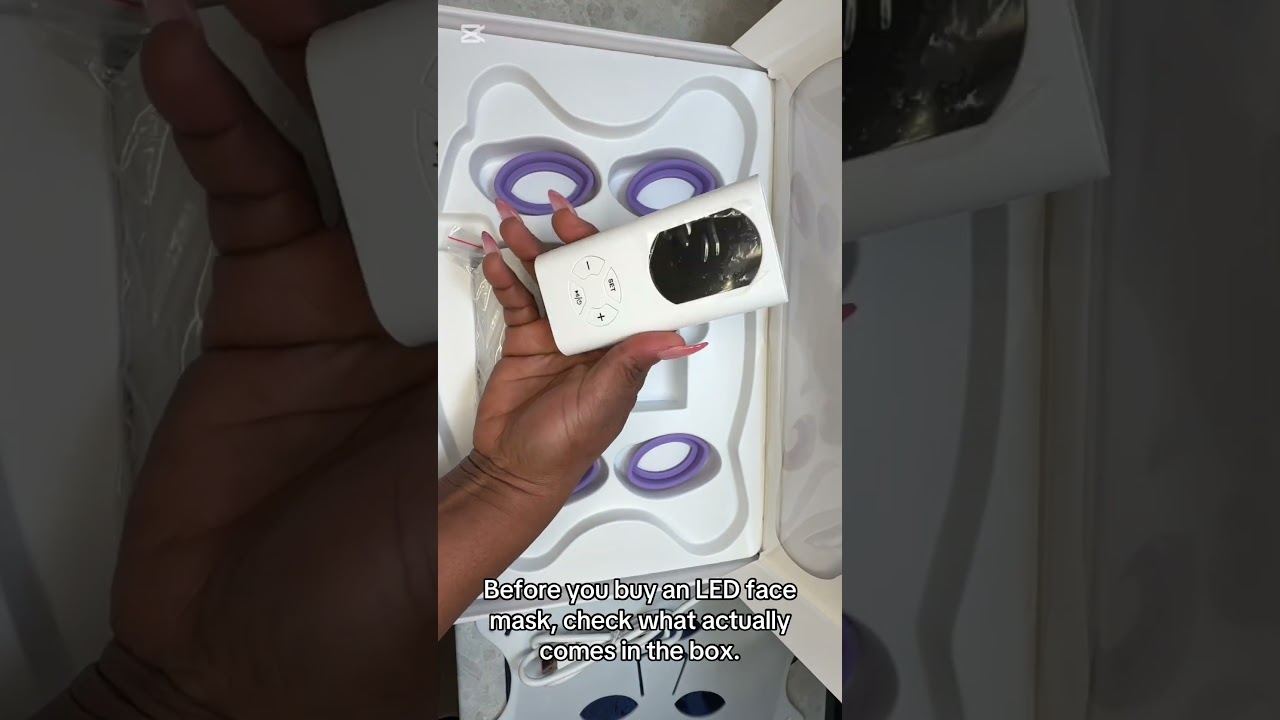
Hyperpigmentation is one of the most consistently searched skin concerns on Google — and it's easy to see why. Whether it's post-acne dark marks, melasma triggered by hormones, or sunspots accumulated over years of outdoor living, uneven skin tone affects people across every skin type and age group. The good news: building an effective skincare routine for hyperpigmentation is absolutely possible, and the science behind what works has never been clearer. In this guide, we cover the best ingredients, the right application order, and how pairing your topical routine with technology like the Skintekie LED Face Mask can significantly accelerate your results.
Understanding What Causes Hyperpigmentation
Before you can treat it effectively, it helps to understand why it's there. Hyperpigmentation occurs when cells called melanocytes produce excess melanin — the pigment that gives skin its colour — in a concentrated area. According to the Mayo Clinic, the main triggers include:
• Post-inflammatory hyperpigmentation (PIH) — dark marks left after acne, eczema, or skin injury
• Sun damage (solar lentigines / sunspots) — caused by unprotected UV exposure over time
• Melasma — hormonally driven pigmentation, often triggered by pregnancy, contraceptive pills, or sun exposure
• Blue light exposure — research published in the Journal of Investigative Dermatology found that light from screens can directly stimulate melanin production
• Skin trauma — picking at spots or scratching skin creates localised inflammation that leads to PIH
The Best Ingredients for Hyperpigmentation in 2025
Not all brightening ingredients are created equal. Here are the ones with the strongest evidence base — and how each works:
Vitamin C (L-ascorbic acid)
Widely regarded as the most proven brightening ingredient available, vitamin C works by inhibiting tyrosinase — the key enzyme in melanin synthesis. It also provides antioxidant protection against UV-induced pigmentation. Look for stable formulations (L-ascorbic acid at 10–20%, or more stable derivatives like ascorbyl glucoside). Apply in the morning under SPF for maximum effect.
Niacinamide (Vitamin B3)
Niacinamide reduces the transfer of melanin from melanocytes to surrounding skin cells — meaning it targets pigmentation at an earlier stage than most actives. It's also anti-inflammatory, making it particularly effective for PIH following breakouts. It works well with virtually every other active in your routine and suits even sensitive skin types.
Tranexamic Acid
One of the fastest-rising ingredients of 2024–2025, tranexamic acid has become a go-to for melasma and hormonal pigmentation. Google search trends show a 107% spike in interest for tranexamic acid in late 2024. It inhibits melanin production by blocking plasminogen activation and is well tolerated by sensitive and melanin-rich skin types.
Alpha-Hydroxy Acids (AHAs)
Glycolic acid, lactic acid, and mandelic acid exfoliate the skin's surface, accelerating cell turnover and removing pigmented dead cells. Regular exfoliation also allows other active ingredients to penetrate more effectively, amplifying your overall routine. Use 2–3 times per week at night, never the same evening as retinol.
Retinol / Retinoids
Retinol promotes rapid cell turnover, displacing pigmented cells faster and helping skin renew itself. Prescription-strength tretinoin delivers faster results; over-the-counter retinol is gentler and suitable for at-home use. Introduce slowly — starting with 2–3 nights per week — and always follow with SPF the next morning, as retinoids increase photosensitivity.
SPF 50+ (Non-Negotiable)
This isn't optional. Sunscreen is the single most important product in any hyperpigmentation routine. UV exposure directly worsens every type of dark spot and makes every other treatment you're doing less effective. Use a broad-spectrum SPF 50+ every morning, reapply every two hours in direct sun, and choose a formula that also includes niacinamide or vitamin C for added benefit.
The Step-by-Step Skincare Routine for Hyperpigmentation
Morning Routine
• Step 1 — Cleanser: A gentle, non-stripping cleanser. Avoid harsh scrubs that can aggravate the skin barrier.
• Step 2 — Vitamin C serum: Apply to clean, dry skin and allow to absorb for 60 seconds before the next step.
• Step 3 — Niacinamide serum: Layer on top for combined brightening and anti-inflammatory action.
• Step 4 — Moisturiser: Lightweight, non-comedogenic. Look for formulas with ceramides or hyaluronic acid to support skin barrier function.
• Step 5 — SPF 50+ (essential): Broad-spectrum, every single morning — even on overcast days, even indoors.
Evening Routine
• Step 1 — Double cleanse: Oil cleanser to remove SPF and makeup, followed by a water-based cleanser.
• Step 2 — Exfoliant (2–3x per week): AHA toner or serum (glycolic, lactic, or mandelic). Skip on nights you use retinol.
• Step 3 — Targeted treatment: Tranexamic acid or niacinamide serum on evenings without retinol; retinol on designated evenings.
• Step 4 — Moisturiser: A richer formula at night to support overnight skin repair.
• Step 5 — Skintekie LED Face Mask (10–20 minutes): See below for why this belongs in your evening routine.
Where the Skintekie LED Face Mask Fits In
Red light therapy and hyperpigmentation have a direct connection that is often overlooked in standard skincare conversations. Clinical research shows that photobiomodulation at 630–660 nm wavelengths reduces inflammation in melanocytes and promotes cellular repair — both of which are core to fading existing pigmentation and preventing new spots from forming.
The Skintekie LED Face Mask works particularly well as the last step in your evening routine, after your active serums have been applied and absorbed. There are two specific benefits for hyperpigmentation users:
• Enhanced product penetration: Red light therapy can temporarily increase skin permeability, meaning the brightening actives you've applied are absorbed more effectively.
• Direct anti-inflammatory action: By reducing the inflammation that drives post-inflammatory hyperpigmentation, regular LED mask use helps interrupt the cycle of breakout → PIH that many people struggle with.
For more detail on how red light therapy works at a cellular level and what results to expect, read our in-depth guide: Does Red Light Therapy Actually Work?
What About the Skintekie IPL Device and Post-Hair-Removal Pigmentation?
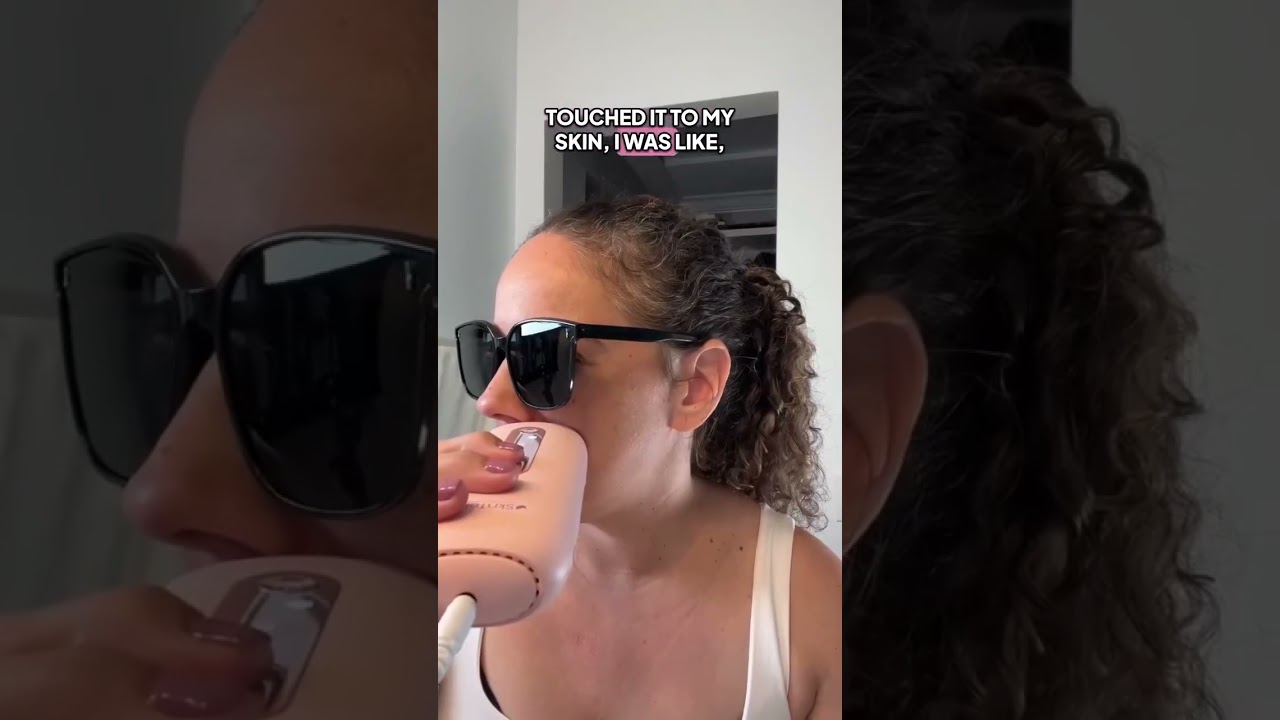
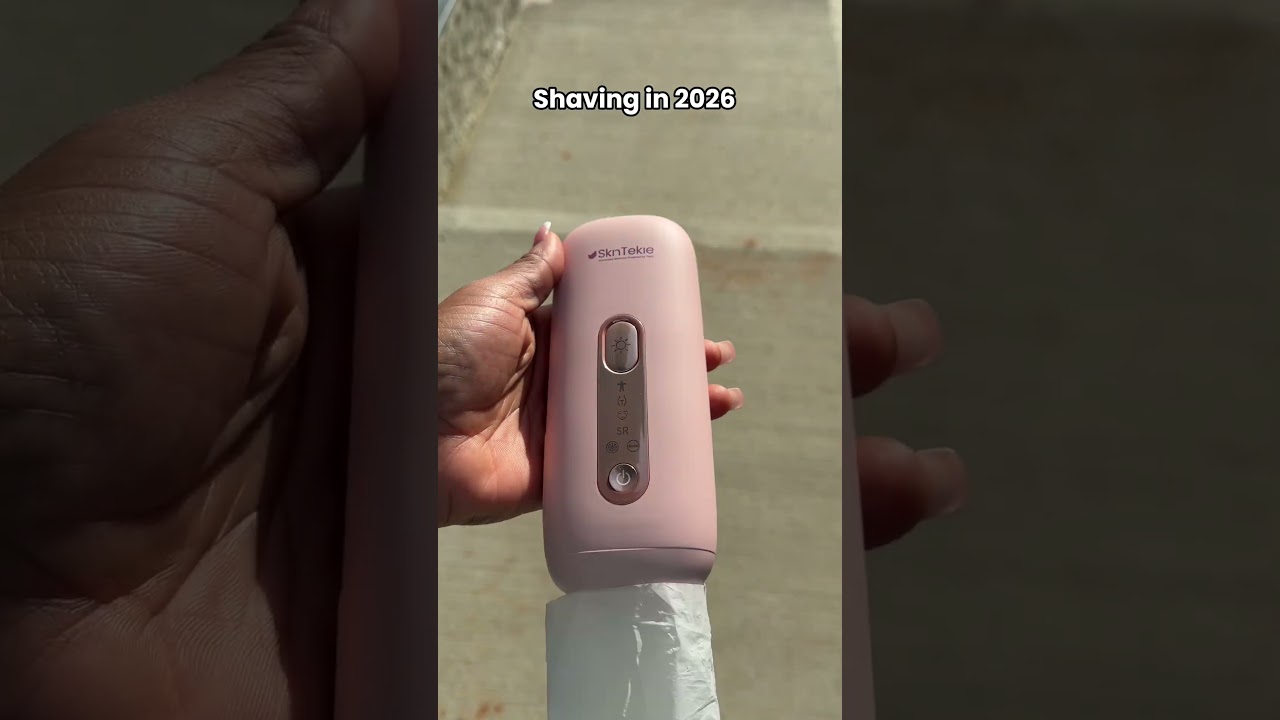
If you use the Skintekie IPL Hair Removal Device on areas prone to ingrown hairs or folliculitis — such as the bikini line, underarms, or legs — you may have experienced post-inflammatory dark marks from past shaving or waxing. IPL can actually help address this dual concern: as it progressively reduces hair growth and eliminates the source of follicular trauma, the associated PIH typically fades over time.
To support this process, apply niacinamide or a vitamin C serum to the treated area as part of your body care routine, and use SPF on any exposed areas. Avoid exfoliating for 24–48 hours after an IPL session.
How Long Before You See Results?
Consistency is the defining factor with any hyperpigmentation routine. Here's a realistic timeline:
• Weeks 1–4: Skin texture and hydration improve; some brightening from vitamin C and niacinamide
• Weeks 4–8: Visible fading of surface-level PIH and mild sunspots; skin tone becomes more even
• Months 3–6: Deeper or more established pigmentation (melasma, stubborn sunspots) begins to visibly fade with consistent actives and LED mask use
• 6 months+: Maintenance phase — the goal shifts from fading to preventing new spots
For further guidance on ingredient layering and routine building, Harvard Health Publishing offers dermatologist-reviewed guidance on treating hyperpigmentation.
Ready to address uneven skin tone at the source? The Skintekie LED Face Mask is designed to complement your existing routine and accelerate the results your serums are already working toward. And if body-hair-related pigmentation is part of your concern, the Skintekie IPL Hair Removal Device addresses the root cause by eliminating the hair growth that triggers follicular inflammation in the first place.