Does Red Light Therapy Really Work? What the Science Says
Share
Does Red Light Therapy Actually Work?
Red light therapy (RLT) has gone from a niche wellness trend to one of the most searched skincare topics online. But does it actually deliver results, or is it just hype? Here's what peer-reviewed research and dermatologists say about using red light therapy at home.
What Is Red Light Therapy?
Red light therapy uses low-wavelength red light, typically between 620nm and 700nm, to penetrate the skin's surface. A related technology, near-infrared light (700nm–1100nm), reaches deeper tissue layers. Together, these wavelengths stimulate cellular processes that support skin repair, reduce inflammation, and boost collagen production.
Unlike UV light from the sun or tanning beds, red light therapy is non-ionizing — it does not damage DNA or increase skin cancer risk. The light energy is absorbed by mitochondria in your cells, which then produce more adenosine triphosphate (ATP), the molecule that powers cellular functions. This increased energy production is what drives the therapeutic benefits of RLT.
What Does the Research Say?
Multiple clinical studies support the effectiveness of red light therapy for skin health:
Anti-aging and collagen production: A 2014 study published in Photomedicine and Laser Surgery found that participants who received red light treatments twice weekly showed significantly improved skin complexion, increased collagen density, and reduced wrinkle severity after 30 sessions. A separate 2013 study confirmed similar results, noting visible improvements in skin tone and texture after just 12 weeks of consistent use.
Acne reduction: A 2018 systematic review in Dermatologic Surgery concluded that red and blue light therapy reduced inflammatory acne lesions by up to 70% in clinical trials. Red light at 630nm specifically helps by reducing the inflammation that causes acne redness and swelling, while also promoting faster healing of existing lesions.
Wound healing and inflammation: NASA originally studied red light therapy for wound healing in space. Research published in the Journal of Clinical and Aesthetic Dermatology showed that red light accelerated wound healing by increasing blood flow, reducing inflammation, and stimulating new tissue growth. This makes RLT particularly effective for post-procedure recovery and reducing redness after skin treatments.
Hyperpigmentation and skin tone: While research is still emerging, preliminary studies suggest that red light therapy may help improve uneven skin tone by regulating melanocyte activity. A 2020 study found that participants using 630nm red light showed measurable improvements in melasma severity scores after 8 weeks of treatment.
How Red Light Therapy Works at the Cellular Level
The science behind RLT centers on a molecule called cytochrome c oxidase, a photoreceptor found in your mitochondria. When red and near-infrared light reaches this molecule, it triggers a cascade of beneficial cellular responses.
First, the light energy increases ATP production, giving your cells more energy to perform repair and regeneration functions. Second, RLT stimulates the release of nitric oxide, which improves blood circulation and delivers more oxygen and nutrients to treated areas. Third, the therapy activates fibroblasts — the cells responsible for producing collagen and elastin, the proteins that keep skin firm and elastic.
This three-part mechanism is why red light therapy can address multiple skin concerns simultaneously: it rebuilds collagen for anti-aging benefits, increases circulation for a healthy glow, and reduces inflammation for clearer skin.
At-Home vs. Professional Red Light Therapy
Professional red light therapy devices used in dermatology offices and medical spas typically deliver higher irradiance (power density) than at-home devices. However, at-home LED masks and panels have become significantly more effective in recent years.
Professional treatments: Typically use medical-grade panels with irradiance of 50–100 mW/cm². Sessions last 10–20 minutes and cost $75–$200 per session. Most dermatologists recommend a series of 10–12 sessions for optimal results, which can total $750–$2,400 before seeing full benefits.
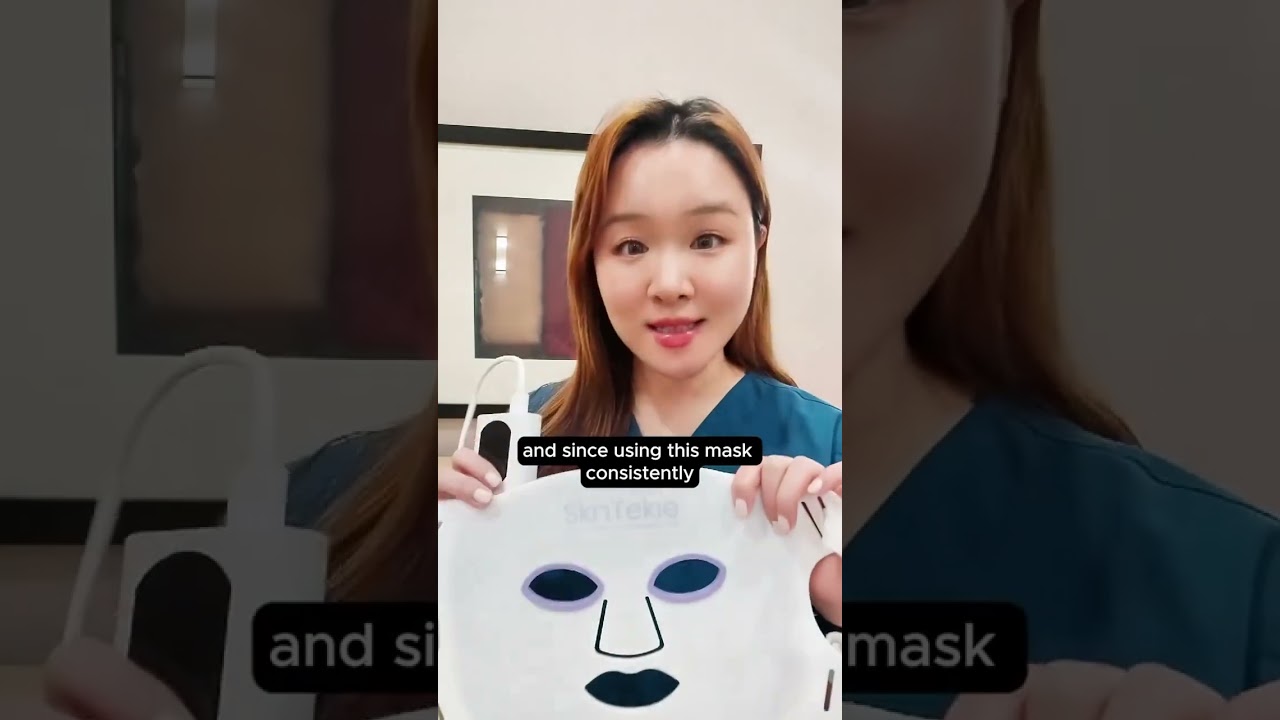
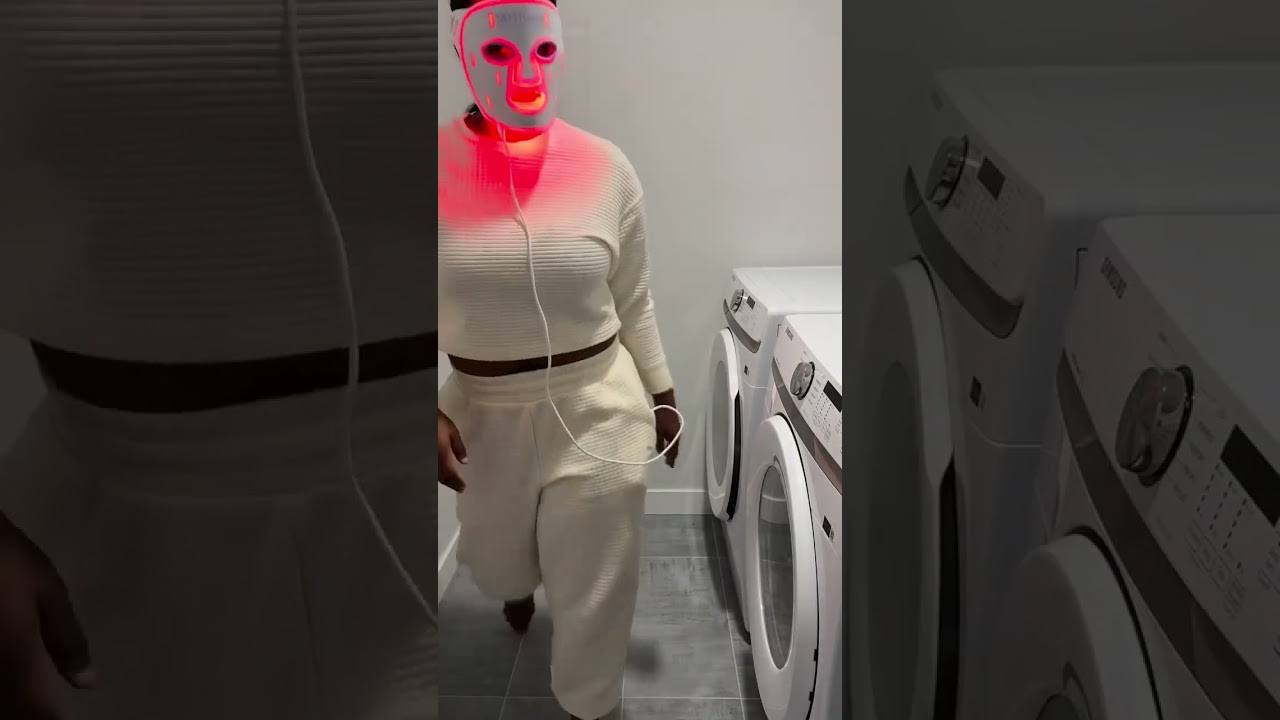
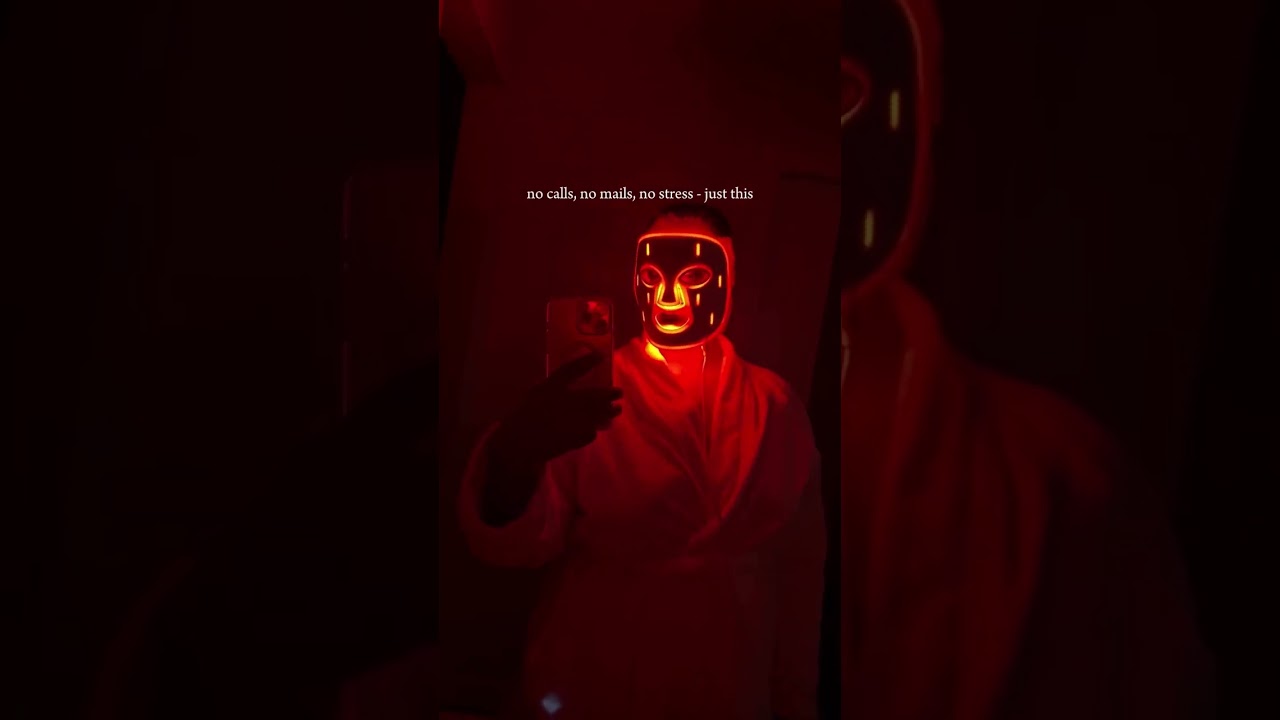
At-home devices: Modern LED face masks like the SkinTekie LED Mask deliver therapeutic wavelengths at lower but still effective power levels. While each session may be slightly less intense than professional treatments, the ability to use the device consistently at home — without scheduling appointments or paying per session — often leads to better long-term results because consistency is the most important factor in RLT effectiveness.
The key advantage of at-home devices is accessibility. Research consistently shows that the frequency and consistency of treatments matters more than the intensity of any single session. An at-home device you use 4–5 times per week will likely outperform monthly professional treatments.
What Results Can You Expect?
Red light therapy results are cumulative, meaning they build over time with consistent use. Here is a general timeline based on clinical research and user experiences:
Weeks 1–2: Improved skin hydration and a subtle glow. Some users notice reduced redness and a calming effect on irritated skin. These early changes reflect improved blood circulation and reduced surface inflammation.
Weeks 3–6: Visible improvements in skin texture, reduced fine lines, and more even skin tone. Acne-prone skin typically shows reduced breakout frequency and faster healing of existing blemishes during this period.
Weeks 8–12: More significant anti-aging benefits become apparent, including firmer skin, diminished wrinkles, and improved elasticity. Collagen remodeling takes time, which is why the most dramatic results appear after 2–3 months of regular use.
Ongoing maintenance: After achieving desired results, most people reduce usage to 2–3 sessions per week to maintain benefits. Discontinuing treatment entirely will gradually allow skin to return to its pre-treatment state over several months.
Who Should Use Red Light Therapy?
Red light therapy is suitable for nearly all skin types and tones. Unlike many laser treatments that carry risks for darker skin, RLT does not target melanin and therefore does not cause hyperpigmentation or burns in any skin tone. This makes it one of the most inclusive light-based skin treatments available.
RLT is particularly beneficial for people concerned about fine lines and wrinkles, those with mild to moderate acne, anyone dealing with post-inflammatory redness, and people who want to improve overall skin health and radiance without harsh chemical treatments.
Safety and Side Effects
Red light therapy has an excellent safety profile. The most commonly reported side effects are mild and temporary: slight warmth during treatment, temporary redness that resolves within minutes, and occasional skin tightness. These are normal responses to increased blood flow and are not cause for concern.
However, people taking photosensitizing medications (certain antibiotics, retinoids, or anti-inflammatory drugs) should consult their doctor before starting RLT. Those with active skin infections or open wounds in the treatment area should wait until healing is complete. And while RLT does not emit UV radiation, proper eye protection should always be worn during treatment.
The Bottom Line
Red light therapy is one of the most well-researched and evidence-backed skincare technologies available today. Multiple clinical studies confirm its effectiveness for collagen production, acne reduction, wound healing, and overall skin rejuvenation. While professional treatments offer higher power output, at-home LED devices like the SkinTekie LED Face Mask provide a convenient, cost-effective way to achieve real results with consistent use. The key is patience and consistency — commit to regular sessions and you should see meaningful improvements within 8–12 weeks.