Can You Use IPL on Tattooed Skin? The Complete Safety Guide
Share
You've invested in tattoo artwork you love, and now you want to use IPL for hair removal. But you've heard conflicting information: some sources say absolutely never use IPL on tattoos, while others suggest you just need to be careful.
Let's clear this up with facts, not assumptions.
The Short Answer: No, You Should Not Use IPL on Tattoos
Every reputable IPL device manual explicitly states: do not use on tattooed skin, permanent makeup, or heavily pigmented areas. This isn't cautious legal language—it's a serious safety warning.
According to safety guidelines from Braun's IPL documentation, you should not use IPL devices on tattoos, permanent makeup, dark spots, birthmarks, moles, warts, or dermal fillers.
But let's understand why, because the reasoning matters.
Why IPL and Tattoos Don't Mix
IPL (Intense Pulsed Light) works by targeting melanin—the dark pigment in your hair. When the broad-spectrum light hits melanin, it converts to heat, which travels down the hair shaft to damage the follicle.
Here's the problem: tattoo ink is also pigmented. Dark tattoo ink can absorb IPL light energy just like melanin does.
What Happens When IPL Hits Tattoo Ink
When IPL light is absorbed by tattoo pigment, several dangerous things can occur:
Burns: The concentrated heat in the ink can burn the surrounding skin tissue.
Blistering: Excessive heat causes fluid-filled blisters over the tattooed area.
Ink alteration: The light energy can chemically change the tattoo ink, causing discoloration, fading, or distortion of the design.
Scarring: Severe reactions can result in permanent scarring over your tattoo.
Extreme pain: The concentrated heat in ink particles causes intense, sharp pain during treatment.
According to testing from Women's Health's IPL device reviews, testers specifically avoid using FDA-cleared IPL devices on tattooed areas, as the IPL technology can alter the ink's appearance.
Not All Tattoo Colors React the Same
While all tattoo ink poses risk, darker colors are particularly dangerous with IPL:
Highest risk colors:
- Black
- Dark blue
- Dark green
- Dark purple
- Brown
These colors contain higher concentrations of pigment that absorb more light energy, creating more heat and higher burn risk.
Moderate risk colors:
- Red
- Orange
- Light blue
- Light green
Lower risk (but still not safe):
- Yellow
- White
- Pastel colors
Even lighter colors can react unpredictably. The "lower risk" designation doesn't mean "safe to treat"—it just means less likely to cause severe burns. The ink can still be damaged or altered.
How Far Away From Tattoos Is Safe?
This is where it gets tricky, because there's no universal "safe distance" agreed upon by all manufacturers.
Conservative approach (recommended): Avoid IPL treatment within 2-3 inches of any tattooed skin. This buffer zone prevents scattered light from affecting ink at the tattoo's edges.
Manufacturer guidelines vary:
- Some say avoid the immediate tattooed area only
- Others recommend 1-2 inch clearance
- Most professional dermatologists suggest at least 2-inch distance
For large tattoos covering significant body area (like full sleeves, back pieces, or leg coverage), this can make IPL impractical for those areas.
What About Small Tattoos?
Small tattoos present less of a coverage issue but require the same caution. A tiny ankle tattoo, wrist design, or finger tattoo still needs that safety buffer.
Strategies for working around small tattoos:
Cover the tattoo: Some users carefully cover small tattoos with opaque tape or bandages during IPL treatment. However, this isn't officially recommended by manufacturers and carries risk if coverage shifts during treatment.
Skip that exact spot: Simply avoid flashing the IPL device over and immediately around the tattoo, treating the surrounding area normally.
Professional alternative: For heavily tattooed areas where you want hair removal, professional laser treatments with longer wavelengths (like Nd:YAG) can sometimes be safer, but still require expert assessment.
Permanent Makeup and Microblading Count As Tattoos
Don't forget that permanent makeup is still ink under your skin:
Types of permanent makeup to avoid:
- Microbladed eyebrows
- Permanent eyeliner
- Lip blushing or lip liner
- Beauty marks
- Scalp micropigmentation
The same rules apply: do not use IPL on or very near these areas. For facial hair removal around permanent makeup, consult a professional who can work precisely around these features.
Real User Experiences (and Cautionary Tales)
User reports from Cosmopolitan's IPL device testing consistently note that testers with tattoos specifically skip those areas during treatment to prevent ink damage.
Some users report:
- Accidental flashes near tattoo edges causing stinging and temporary darkening of ink
- Small tattoos developing blurred edges after careless IPL use
- Burns and blistering when IPL was used directly on darker tattoos
- Fading of tattoo vibrancy after repeated exposure to scattered light
These aren't theoretical risks—they're documented experiences from people who learned the hard way.
What If You Accidentally Flash Over a Tattoo?
Mistakes happen. If you accidentally use IPL on tattooed skin:
Immediately:
- Stop treatment
- Apply cool compress to the area
- Monitor for blistering, severe pain, or burns
- Apply soothing aloe vera gel
Next 24-48 hours:
- Watch for increased pain, swelling, or blistering
- Avoid sun exposure
- Don't pick at any blisters that form
- Apply gentle, fragrance-free moisturizer
If severe reaction occurs:
- Consult your dermatologist
- Document the reaction with photos
- Avoid further treatment until cleared by a professional
Most single accidental exposures won't cause permanent damage, but repeated exposure or prolonged treatment over tattoos can.
Safe Alternatives for Tattooed Areas
If you have tattoos in areas where you want hair removal, consider these alternatives:
Professional Laser Hair Removal
Certain laser types (particularly Nd:YAG lasers with longer wavelengths) can sometimes be used more safely around tattoos by experienced practitioners. The focused laser beam allows precise targeting away from ink.
However, even professional laser requires extreme caution near tattoos, and many practitioners still refuse to treat directly over inked skin.
Traditional Hair Removal Methods
For heavily tattooed areas:
Shaving: Safe, though frequent Trimming: Keeps hair short without skin contact Depilatory creams: Generally safe on tattooed skin (patch test first)
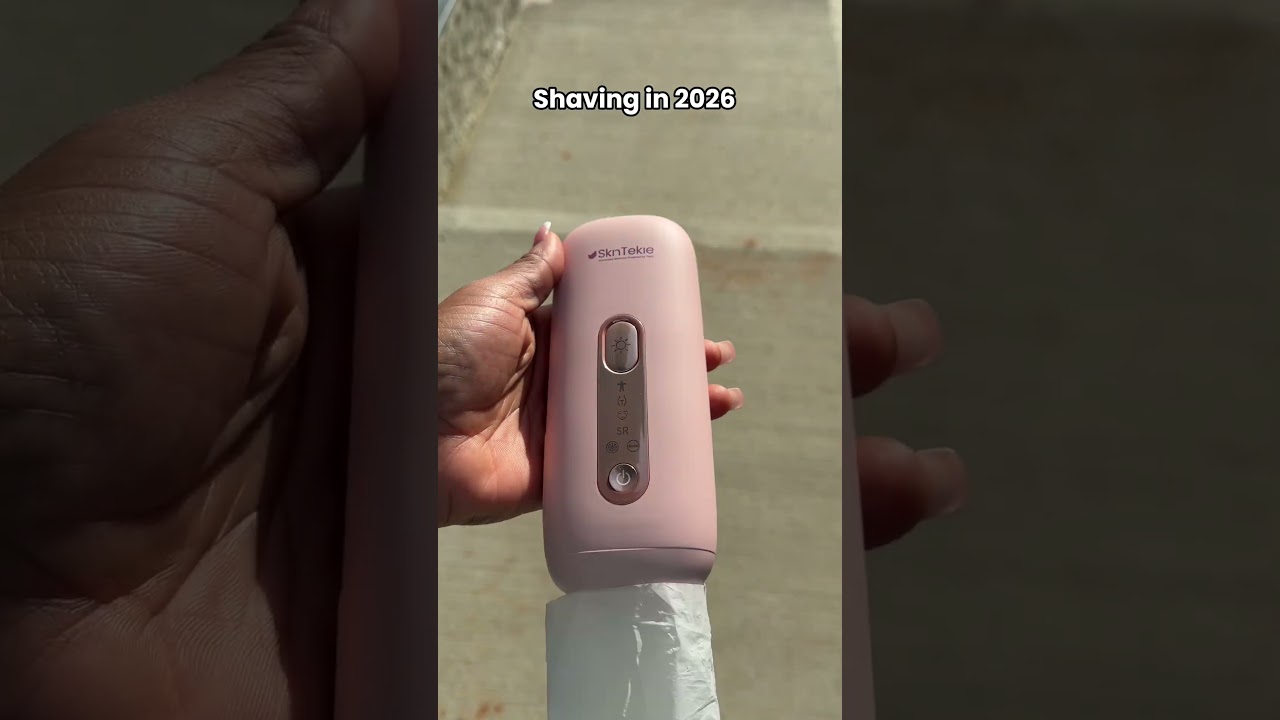
According to safety information from the Skintekie IPL guide, you can always shave treated areas between IPL sessions, making it easy to maintain smooth skin on tattooed areas you're avoiding with the device.
Planning IPL Treatment Around Existing Tattoos
If you have tattoos but want to use IPL on non-tattooed areas, strategic planning helps:
Create a treatment map:
- Mark tattoo locations and surrounding buffer zones
- Identify safe treatment areas
- Plan your IPL routine around these zones
Use visual guides:
- Take photos of your tattoos from multiple angles
- Mark no-treatment zones with washable marker before sessions
- Set up good lighting to clearly see tattoo boundaries during treatment
Go slower in complex areas:
- Don't rush when working around tattoos
- Use stamp mode instead of glide mode near ink
- Double-check position before each flash
Future Tattoos and IPL Timing
If you're planning to get tattooed after starting IPL, timing matters:
Before getting tattooed:
- Complete IPL treatments in that area first if possible
- Wait at least 4 weeks after your last IPL session before tattooing
After getting tattooed:
- Wait minimum 6-8 weeks for complete healing
- Some tattoo artists recommend 3-6 months before any light-based treatments
- Never use IPL on fresh tattoos still in the healing process
Can Professional IPL Be Used on Tattoos?
Even professional-grade IPL equipment in dermatology offices follows the same rules: avoid tattooed skin. The higher power of professional devices actually makes the risk greater, not safer.
Some very experienced practitioners with specific laser (not IPL) equipment can work around tattoos, but this requires specialized training and equipment specifically designed for tattooed skin—not standard IPL devices.
The Bottom Line on IPL and Tattoos
The answer is clear: do not use IPL devices on tattooed skin. The risks—burns, blistering, ink damage, scarring—far outweigh any benefit.
If you have small tattoos, you can carefully work around them with appropriate safety buffers. If you have extensive tattoo coverage in areas where you want hair removal, IPL isn't the right solution for those zones.
The Skintekie IPL device offers effective hair reduction for non-tattooed areas, but like all IPL devices, should never be used on or immediately near tattoo ink.
Respect your tattoos, respect your skin, and respect the safety guidelines. There are alternative hair removal methods for tattooed areas—use them instead of risking permanent damage to both your skin and your body art.
Related Reading:
Ready to Start Your IPL Journey?
The SkinTekie IPL Hair Removal Device features ice-cooling technology for pain-free, permanent results at home.
Shop IPL Device →Sources: NIH - IPL for Hair Removal | AAD - Laser Hair Removal Guide