How Often Should You Use Your IPL Hair Removal Device for Best Results?
Share
You've invested in an IPL device with high hopes of significantly reducing unwanted hair. The instructions say "use every 1-2 weeks," but you're impatient for results. Would using it every few days speed things up? What about once a month—is that enough?
Getting the frequency right with IPL isn't just about following instructions blindly. Understanding why certain timing works helps you maximize results while avoiding wasted effort or potential skin irritation.
Why IPL Frequency Isn't Random (The Hair Growth Science)
IPL targets hair during specific growth phases, and this biological reality dictates how often you should treat areas. Your hair doesn't all grow at the same rate or in the same phase simultaneously—which is precisely why multiple treatments are necessary.
Hair grows in three distinct cycles:
- Anagen (active growth): Hair is actively growing and connected to blood supply
- Catagen (transition): Growth stops, follicle shrinks
- Telogen (resting): Old hair rests before shedding, new hair begins forming
IPL only effectively targets hair in the anagen phase because that's when melanin is present in the follicle and connected to the root. At any given time, only about 20-30% of your hair is in this active growth phase.
This is why spacing your treatments correctly matters so much—you need to catch different batches of hair as they cycle into the active growth phase.
The Standard Treatment Schedule (And Why It Works)
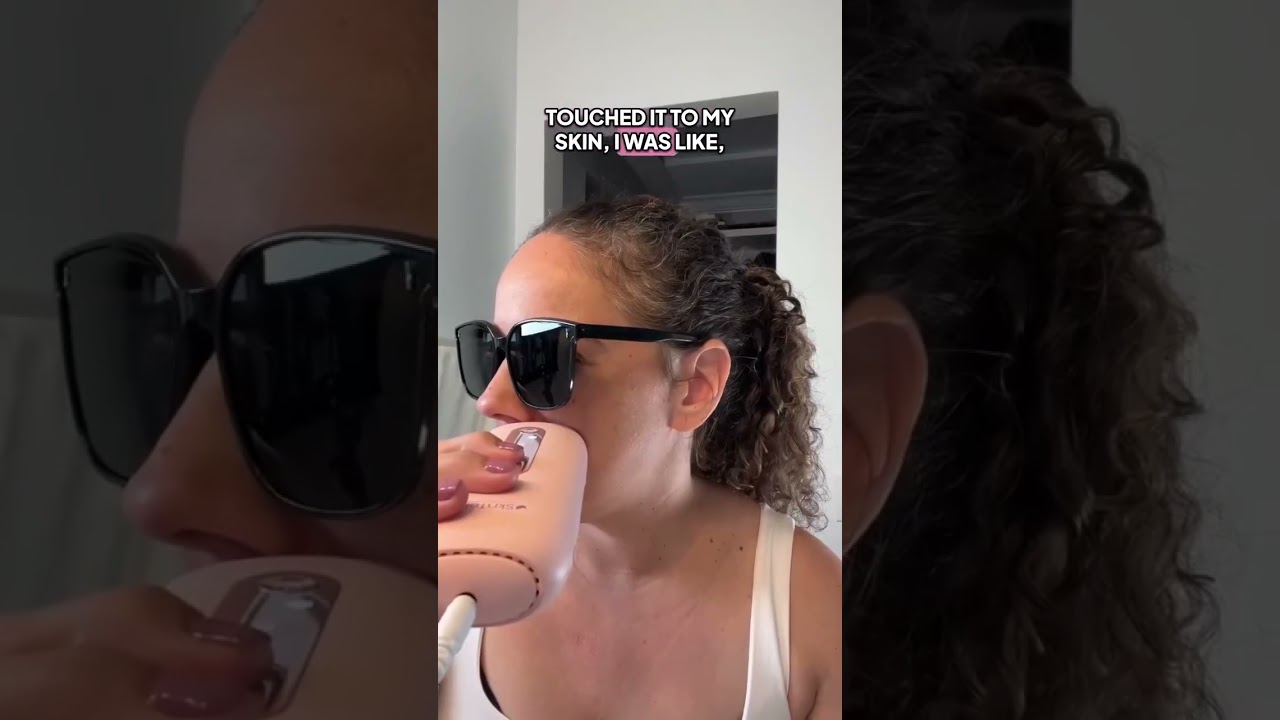
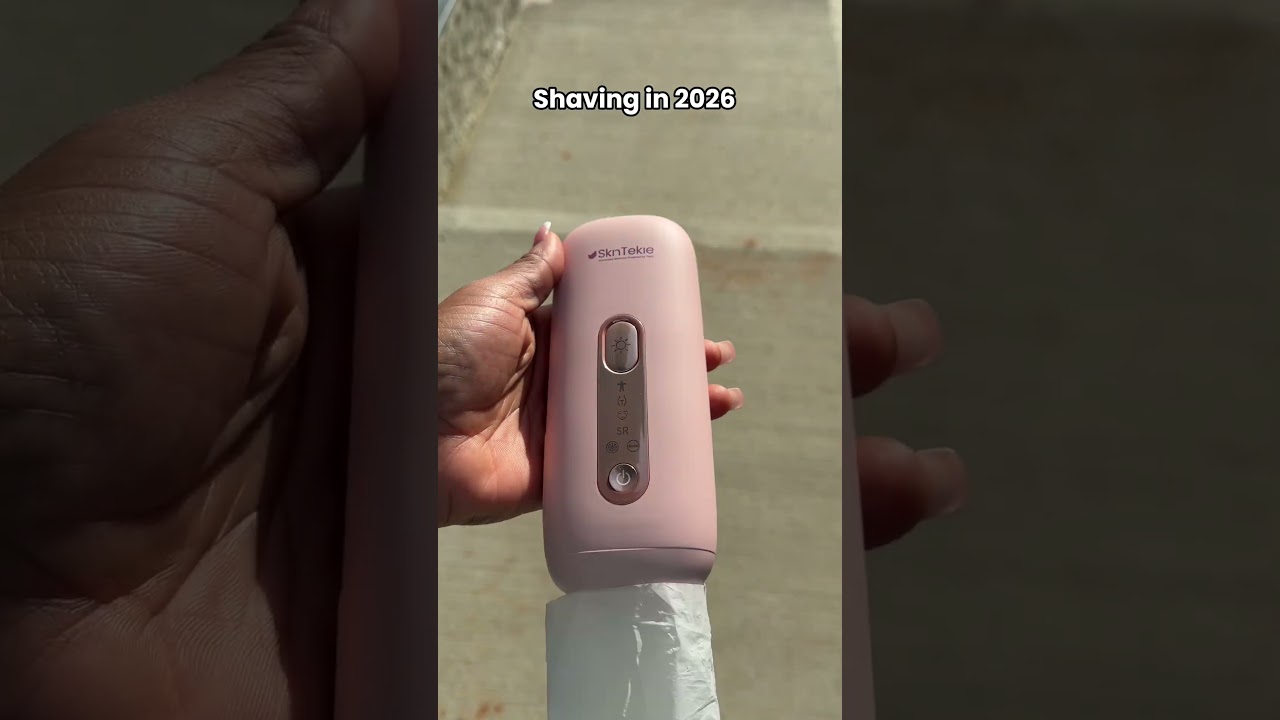
Most IPL devices, including the Skintekie IPL device, recommend a similar treatment protocol because it's based on hair growth biology, not arbitrary timing.
Weeks 1-8: Initial Treatment Phase Treat every 1-2 weeks during this phase. This frequent schedule ensures you're catching multiple hair growth cycles as different follicles enter their active phase.
You won't see dramatic results during these first weeks—in fact, treated areas might still look hairy because you're waiting for damaged hairs to shed and for hair in dormant phases to be unaffected by early treatments. This is completely normal.
Weeks 9-16: Transition Phase As you notice significant hair reduction, you can space treatments to every 2-3 weeks. By this point, you've damaged many follicles in their active phases, so there's simply less hair growing back that needs targeting.
Month 5+: Maintenance Phase Once you've achieved your desired level of hair reduction, maintenance treatments every 4-8 weeks keep remaining hair under control. Some people can stretch maintenance even longer depending on their hair growth patterns.
What Happens If You Treat Too Often?
Here's a common mistake: thinking more frequent treatments equal faster results. Unfortunately, that's not how IPL works.
Treating the same area multiple times per week doesn't make hair disappear faster because you're just hitting the same hairs in the same growth phase repeatedly. The follicles that responded to your first treatment are already damaged—zapping them again doesn't make them "more damaged."
Meanwhile, the 70-80% of hair currently in resting or transition phases remains unaffected no matter how many times you treat, because IPL can't target what isn't actively growing.
Potential downsides of over-treating:
- Skin irritation and sensitivity from repeated light exposure
- Wasted time and device flash capacity
- Increased risk of temporary pigmentation changes
- Frustration when results don't accelerate as expected
Your hair follicles need time between treatments to complete their growth cycles. Respecting this biological timing delivers better results than aggressive over-treatment.
What Happens If You Wait Too Long Between Treatments?
On the flip side, spacing treatments too far apart during the initial phase means you're missing opportunities to target hair as it cycles into active growth.
If you wait a month between early treatments, some hair that was in active growth phase during your last session will have moved into resting phase, while different hair will have moved into active phase. You haven't necessarily damaged enough follicles to see significant reduction.
This doesn't mean occasional timing deviations ruin everything—life happens, schedules get busy. But consistently spacing treatments too far apart extends your timeline to results and reduces overall effectiveness.
The key is maintaining regular treatments during that crucial 8-12 week initial phase when you're establishing the foundation of hair reduction.
Body Area Differences Matter
Not all body areas grow hair at the same rate, which can affect optimal treatment frequency:
Faster-growing areas (face, underarms, bikini line): Hair cycles more quickly here, so sticking to the shorter end of the 1-2 week recommendation (closer to every week) often works better.
Slower-growing areas (legs, arms): Hair cycles take longer, so spacing closer to every 2 weeks is often sufficient.
Very slow areas (back, chest for some people): You might extend to every 2-3 weeks even during initial treatment without losing effectiveness.
Pay attention to how quickly you notice regrowth in different areas. If an area shows new growth within a week, that's your signal to treat more frequently. If regrowth takes longer, you can space treatments accordingly.
Signs You're Using IPL at the Right Frequency
How do you know if your treatment schedule is working? Look for these indicators:
Weeks 3-4: Treated hair sheds noticeably after sessions
Weeks 5-6: New growth is slower than before you started IPL
Weeks 7-8: Regrowth appears finer and lighter in color
Weeks 9-12: Significant bald patches or sparse areas become visible
Months 4-6: Dramatic overall reduction, with maintenance treatments sufficient to keep skin smooth
If you're seeing these progressive improvements, your frequency is on target. If results seem stalled, evaluate whether you're treating too sporadically or potentially missing the recommended schedule.
Learning more about how IPL technology delivers results helps you understand why timing matters so much for effectiveness.
Common Frequency Mistakes (And How to Avoid Them)
Mistake #1: Starting too aggressively Using IPL every few days because you're excited for results. This irritates skin without improving outcomes. Fix: Follow the 1-2 week guideline strictly during initial treatment.
Mistake #2: Giving up too early Using the device 3-4 times, seeing no dramatic change, and quitting. Fix: Commit to at least 8-10 sessions before evaluating effectiveness. Results are cumulative.
Mistake #3: Inconsistent timing Treating randomly whenever you remember—one week on, three weeks off, two days in a row. Fix: Set calendar reminders or establish a specific day (like "every other Sunday") for treatments.
Mistake #4: Not adjusting for progress Continuing weekly treatments even when there's minimal regrowth left to target. Fix: As hair reduces significantly, space out to every 2-3 weeks, then move to maintenance mode.
Mistake #5: Forgetting maintenance Achieving great results, stopping completely, then being frustrated when hair slowly returns. Fix: Schedule quarterly maintenance sessions indefinitely to catch any reactivated follicles.
Creating Your Personalized IPL Schedule
While general guidelines work for most people, your optimal frequency might vary based on several factors:
Hair and skin type: People with very dark, coarse hair on light skin often see faster results and might transition to maintenance sooner. Those with finer hair or less ideal contrast might need longer initial treatment phases.
Hormonal factors: PCOS, pregnancy, menopause, or thyroid conditions can affect hair growth cycles, potentially requiring more frequent maintenance than average.
Body area: Create different schedules for different areas rather than treating everything identically.
Device quality and power: More powerful devices might require slightly different timing than lower-power options, though biological hair growth cycles remain the same.
Start with the manufacturer's recommended schedule, then adjust based on your personal response. Track your results and regrowth patterns to optimize timing for your specific situation.
Balancing IPL with Other Hair Removal Methods
During IPL treatment, remember that you can shave between sessions (in fact, you should shave before each treatment), but you cannot wax, pluck, thread, or use any method that removes the hair root.
This is crucial: IPL needs the hair root present beneath your skin to work. Removing roots resets your progress on those specific follicles.
If you typically wax or thread certain areas, you'll need to switch to shaving exclusively during your IPL treatment course. Plan for this transition—it might feel inconvenient initially, but it's necessary for IPL effectiveness.
When to Adjust Your Frequency
Certain situations warrant modifying your standard treatment schedule:
Skin irritation: If redness or sensitivity persists for days after treatment, extend the gap to every 2-3 weeks and consider reducing intensity settings.
Vacation or sun exposure: Pause IPL treatments if you'll have significant sun exposure. Resume after your tan fades completely.
Hormonal changes: New medication, pregnancy, or menopause might trigger unexpected hair growth, requiring a return to more frequent treatments temporarily.
Seasonal adjustments: Some people find maintenance easier in winter (less sun exposure, easier to avoid tanning) and pause during summer months.
The Bottom Line on IPL Frequency
The standard every 1-2 weeks schedule for initial treatment isn't arbitrary—it's based on hair growth biology. More frequent treatments don't speed results, while less frequent treatments extend your timeline unnecessarily.
Expect to commit to regular treatments for at least 8-12 weeks before seeing significant hair reduction. After that initial phase, you'll gradually space treatments further apart as less hair remains to target.
Most importantly, consistency beats perfection. A slightly imperfect schedule that you actually follow will always deliver better results than the theoretically perfect timing that you struggle to maintain.
Set up a system—calendar reminders, specific treatment days, whatever works for your lifestyle—and commit to it. Understanding current IPL technology and best practices helps you set realistic expectations and optimize your treatment schedule for long-term success.
Your IPL device is an investment in reducing unwanted hair for years to come. Give it the time and consistent treatment schedule it needs to deliver those results, and you'll be rewarded with significantly less hair, less frequent shaving, and the convenience of maintaining smooth skin on your own schedule.
Related Reading:
Ready to Start Your IPL Journey?
The SkinTekie IPL Hair Removal Device features ice-cooling technology for pain-free, permanent results at home.
Shop IPL Device →Sources: NIH - IPL for Hair Removal | AAD - Laser Hair Removal Guide