Does IPL Hair Removal Actually Last Forever?
Share
"Permanent hair removal" is plastered all over IPL device marketing. But if you're skeptical about that claim, your instincts are right. Let's clear up what IPL actually delivers versus what the ads promise.
The Short Answer: It's Permanent Reduction, Not Removal
Here's the truth most brands don't lead with: IPL offers permanent hair reduction, not complete permanent removal. According to the British Institute of Lasers, many users see lighter regrowth and longer gaps between shaves, though some hair returns over time.
That distinction matters. You're not going to be completely hair-free forever after a few sessions. What you will get is significantly less hair that grows back finer, lighter, and slower than before.
What "Permanent Reduction" Actually Means
Think of IPL like this: it damages hair follicles enough that they either stop producing hair entirely or produce much weaker, thinner hair. Research in the Journal of Clinical Aesthetic Dermatology shows users experience 83.3% less hair growth after one month and 78.1% less after three months of treatment.
But here's the catch—not all follicles respond the same way. Some die off completely. Others get damaged but can eventually recover and start producing hair again, especially if hormones or other factors change.
How Long Can You Expect Results to Last?
The timeline varies based on several factors, but here's what's typical:
After initial treatment series (8-12 sessions): Most treated areas stay clear for 6-12 months. Some people go even longer—up to 18 months or more—before noticing regrowth.
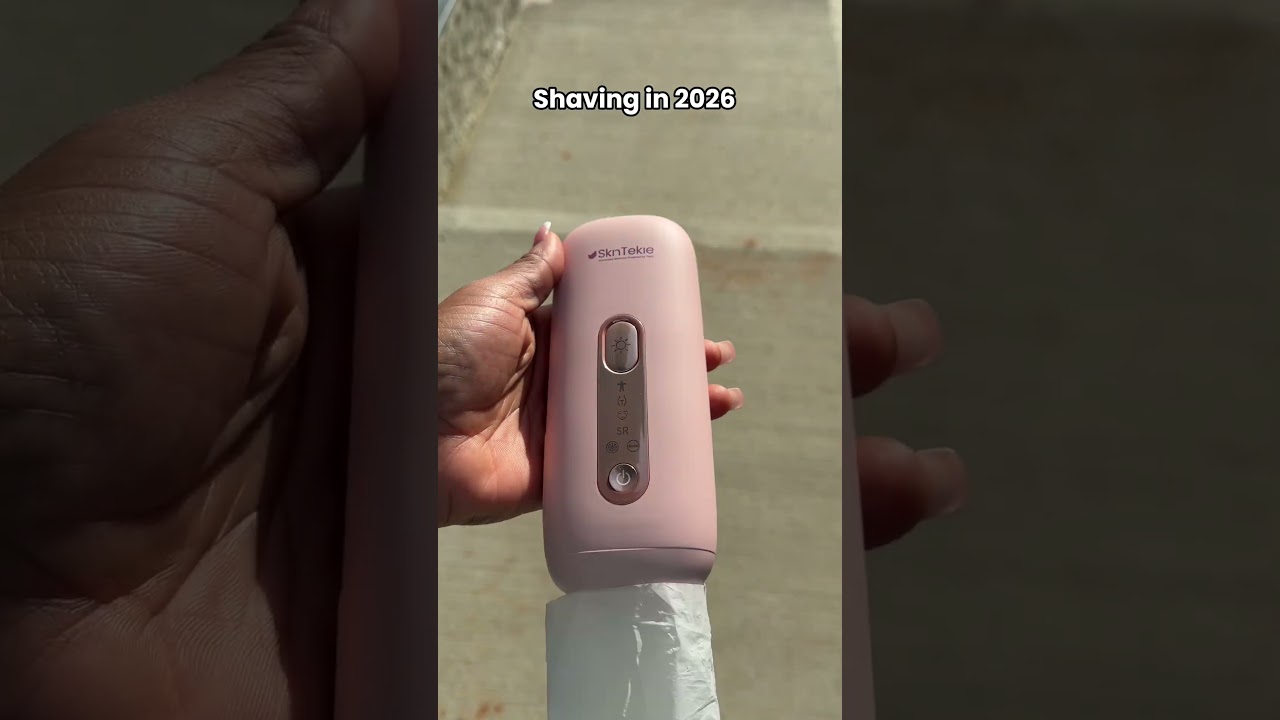
Long-term maintenance: Expect to need touch-up sessions every few months to maintain results. The Skintekie IPL device makes these maintenance sessions convenient and cost-effective compared to salon visits.
Body area differences: Underarms and bikini areas often respond better and stay clear longer. Facial hair, especially for women dealing with hormonal issues like PCOS, tends to require more frequent maintenance.
What Affects How Long Your Results Last
Several factors determine whether you'll enjoy smooth skin for months or need more frequent touch-ups:
Hair and skin contrast: Dark hair on light skin gets the best, longest-lasting results because the IPL can target melanin more effectively.
Hormonal factors: Pregnancy, menopause, PCOS, thyroid conditions, or even just aging can trigger new hair growth or wake up dormant follicles.
Treatment consistency: Skipping sessions during your initial treatment phase means some follicles never get properly damaged, so hair keeps growing in those areas.
Device quality: More powerful devices with consistent energy output tend to deliver more durable results. According to WebMD, IPL works best for people with light skin and dark hair, though results vary by device quality.
The Maintenance Reality Nobody Mentions
Even with great initial results, you'll need occasional maintenance treatments. This is normal and expected—not a sign that IPL "didn't work."
Think of it like going to the gym. You can't work out for three months, achieve your fitness goals, then never exercise again and expect to stay in shape. IPL maintenance works similarly. The good news? Maintenance sessions are much less frequent than your initial treatment schedule.
Most people find that after completing their initial series, they only need the Skintekie IPL every 4-8 weeks for touch-ups, compared to daily shaving or monthly waxing.
Why Some Areas Last Longer Than Others
Your body isn't uniform, and neither are IPL results. Areas with hormonal influence (like facial hair, chest, and abdomen) tend to be more stubborn because hormones can stimulate new growth from follicles that were dormant during initial treatment.
Areas like legs, arms, and underarms typically stay clearer longer because hair growth in these zones is less influenced by hormonal fluctuations.
Professional vs. At-Home: Does It Make a Difference?
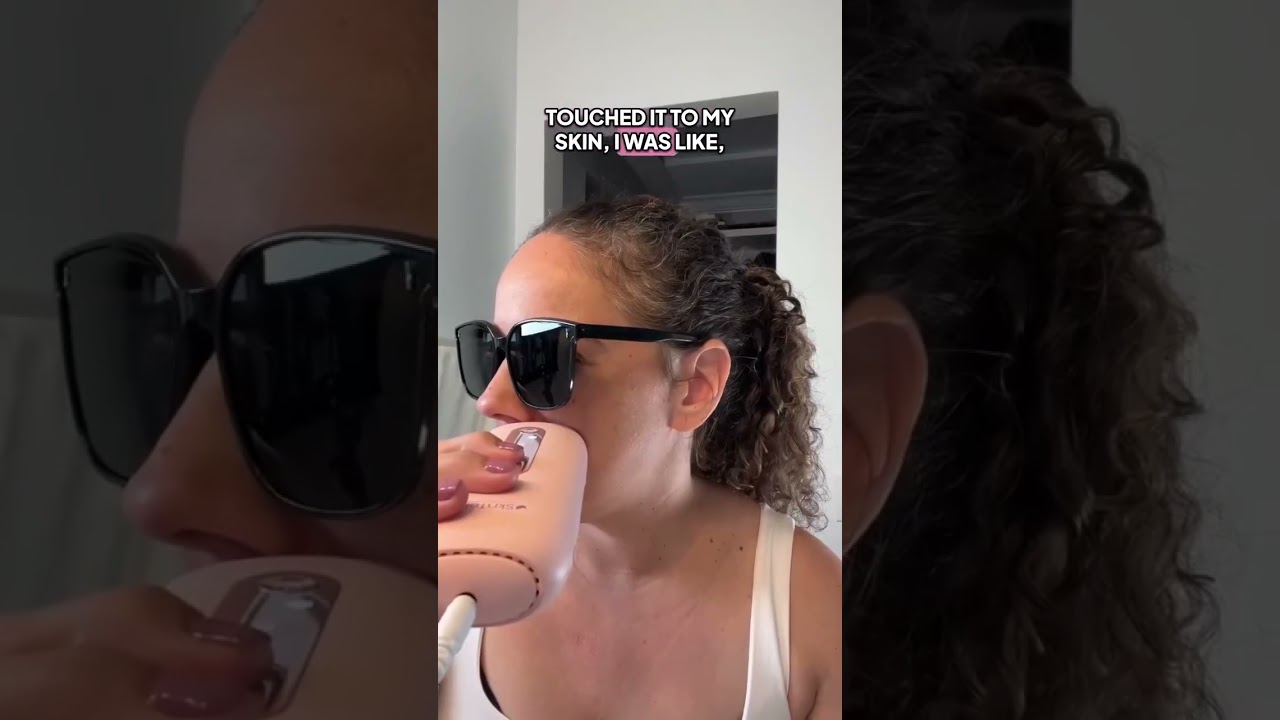
Professional IPL treatments use higher-powered devices that can damage follicles more thoroughly in fewer sessions. However, at-home devices like Skintekie's offer a major advantage: unlimited access to touch-ups whenever you need them.
According to the Mayo Clinic, even professional treatments aren't 100% permanent, and most people need maintenance sessions regardless of which option they choose.
Setting Realistic Expectations
If you're considering the Skintekie IPL device, here's what to realistically expect:
Best-case scenario: After your initial treatment series, you might go 6-12+ months with little to no visible hair in treated areas. When regrowth appears, it's significantly finer and lighter than before.
Typical scenario: You'll see 70-90% reduction in hair growth after completing your treatment series. Occasional touch-ups every few months maintain smooth skin.
Maintenance requirement: Plan for periodic sessions to catch any regrowth. This is dramatically less effort than constant shaving or regular waxing appointments.
Is "Permanent Reduction" Good Enough?
For most people, yes! The goal isn't necessarily zero hair forever—it's drastically reducing the time, money, and hassle of traditional hair removal methods.
Going from shaving every other day to occasional touch-ups every few months? That's a massive improvement in quality of life, even if it's not the "never worry about hair again" promise some ads suggest.
Understanding how IPL technology continues to evolve helps set appropriate expectations about what's possible with current devices.
The Bottom Line
IPL hair removal doesn't last forever in the literal sense, but it delivers long-term hair reduction that can transform your relationship with unwanted hair. You'll have significantly less hair that grows back slower, finer, and lighter—and that's a win worth celebrating, even if it's not technically "permanent removal."
The key is going into treatment with eyes wide open about what IPL actually delivers: dramatic, long-lasting reduction that requires occasional maintenance. For most people dealing with unwanted hair, that's exactly what they want.
Related Reading:
Ready to Start Your IPL Journey?
The SkinTekie IPL Hair Removal Device features ice-cooling technology for pain-free, permanent results at home.
Shop IPL Device →Sources: NIH - IPL for Hair Removal | AAD - Laser Hair Removal Guide