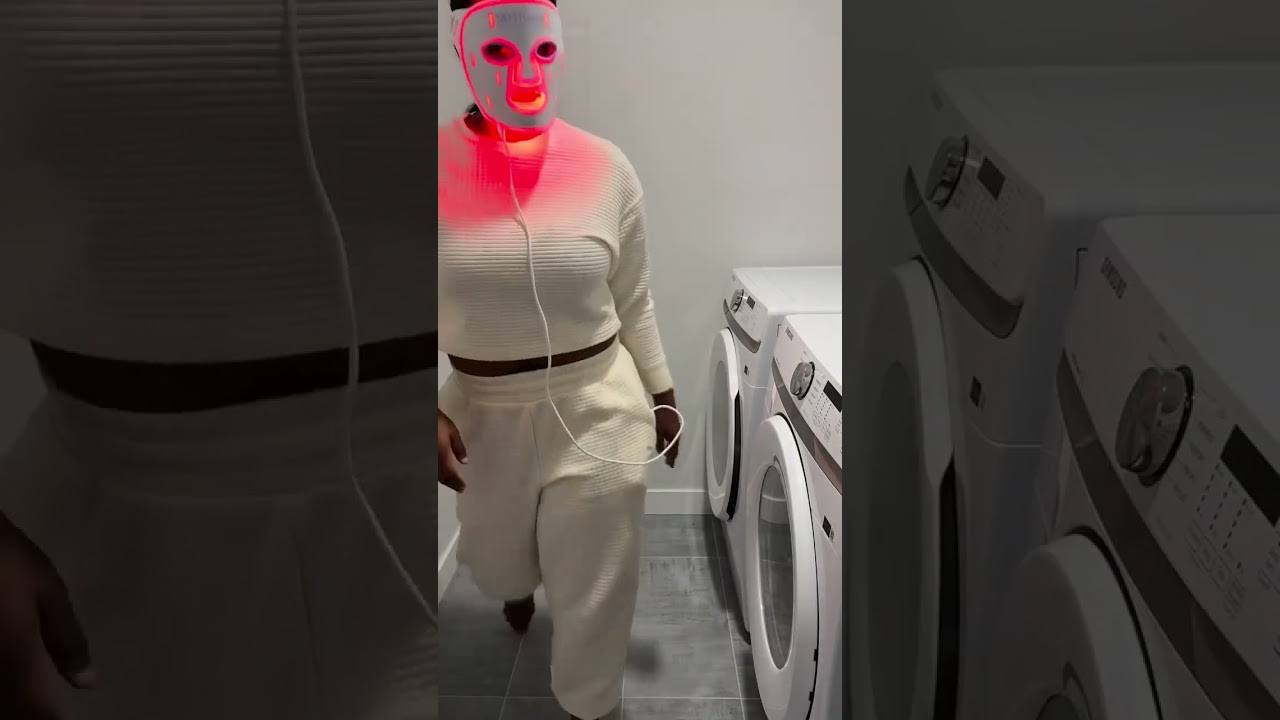
What to Look for in an LED Face Mask Before Buying One
LED Masks Range from $30 to $500 — Here's What Actually Matters
The at-home LED face mask market has exploded. Amazon alone lists hundreds of options ranging from $30 knockoffs to $500 luxury devices. With that much variation, it's easy to overpay for a brand name or, worse, buy a cheap mask that doesn't deliver therapeutic-level light output.
This guide covers the seven things that actually determine whether an LED mask will work for your skin — so you can evaluate any mask, from any brand, with confidence.

1. Wavelengths — The Most Important Spec
The specific wavelengths (measured in nanometers) an LED mask emits determine what it can treat. This is the single most important thing to check.
Red light (620–660nm): Stimulates collagen production, reduces fine lines, improves skin texture. This is the core anti-aging wavelength.
Blue light (450–470nm): Kills P. acnes bacteria, reduces active breakouts. Essential if you have acne-prone skin.
Near-infrared / NIR (800–880nm): Penetrates deepest, reduces inflammation, supports wound healing and cellular repair. The best anti-aging results come from combining red + NIR.
Green light (520–560nm): Targets melanocytes to reduce hyperpigmentation and dark spots.
Yellow light (570–590nm): Calms redness and supports skin barrier repair.
What to look for: A mask with at least red and near-infrared for anti-aging. If you also get breakouts, make sure blue light is included. The more wavelengths available, the more versatile the mask is.
2. LED Count and Irradiance
The number of LEDs affects how much of your face receives light energy. More LEDs generally means better, more uniform coverage.
Minimum to look for: 100+ LEDs for a full-face mask. Masks with fewer than 60–80 LEDs often leave gaps — especially around the jawline and forehead — where skin gets little to no treatment.
Irradiance (measured in mW/cm²) tells you how much power the LEDs actually deliver. Unfortunately, many brands don't publish this spec. If they do, look for at least 10–30 mW/cm² for therapeutic effectiveness.
3. FDA Clearance
FDA clearance means a device has been reviewed for safety and that the manufacturer demonstrated it does what it claims within safety limits. It's not a guarantee of efficacy, but it does confirm the mask won't harm you when used as directed.
What to look for: Look for "FDA cleared" (not just "FDA registered" — registration is a simpler process that doesn't involve the same level of review). Any mask in the $200+ range should be FDA cleared.
4. Treatment Modes and Flexibility
Some masks have a single mode — all LEDs on, one setting, done. Others let you select individual wavelengths or combinations to customize treatment based on what your skin needs that day.
Why it matters: Your skin concerns change. You might break out one week and focus on anti-aging the next. A mask with multiple selectable modes lets you adapt your treatment rather than getting a one-size-fits-all session every time.
5. Comfort and Fit
You'll be wearing this mask 10–20 minutes per session, 3–5 times per week. If it's uncomfortable, heavy, or doesn't fit your face shape, you'll stop using it — and consistency is everything with LED therapy.
What to look for: Flexible silicone designs conform to different face shapes better than rigid plastic shells. Adjustable straps help. Weight should ideally be under 400g. Check whether the mask covers your full face including jawline and forehead.
6. Treatment Time
Most clinical-grade at-home LED masks recommend 10–20 minute sessions. Be skeptical of masks claiming results in 3 minutes — the published research on LED phototherapy uses longer exposure times at therapeutic intensities.
Also check whether the mask has a built-in timer and auto-shutoff for safety and convenience.
7. Price vs. Value
Premium doesn't always mean better. In the LED mask market, much of the price difference between a $239 mask and a $470 mask comes from brand positioning and marketing spend — not fundamentally different LED technology.
Red flags at the cheap end (<$100): Likely using non-medical-grade LEDs with questionable wavelength accuracy and low irradiance. These often lack FDA clearance.
Red flags at the premium end (>$400): If a $400+ mask only offers 1–2 wavelengths and fewer than 100 LEDs, you're paying primarily for the brand name.
The sweet spot ($200–$300): This is where you find FDA-cleared masks with multiple wavelengths, 100+ medical-grade LEDs, and thoughtful design — without the luxury markup.

Quick Checklist Before You Buy
| Check | What to Look For |
|---|---|
| ✅ Wavelengths | At least red + NIR. Blue light if you have acne. More = more versatile. |
| ✅ LED Count | 100+ LEDs minimum for full-face coverage |
| ✅ FDA Clearance | "FDA cleared" (not just registered) |
| ✅ Treatment Modes | Selectable wavelengths let you customize sessions |
| ✅ Comfort | Flexible silicone, adjustable fit, lightweight |
| ✅ Session Time | 10–20 minutes with auto-shutoff |
| ✅ Price | $200–$300 sweet spot for value + quality |
Our Recommendation
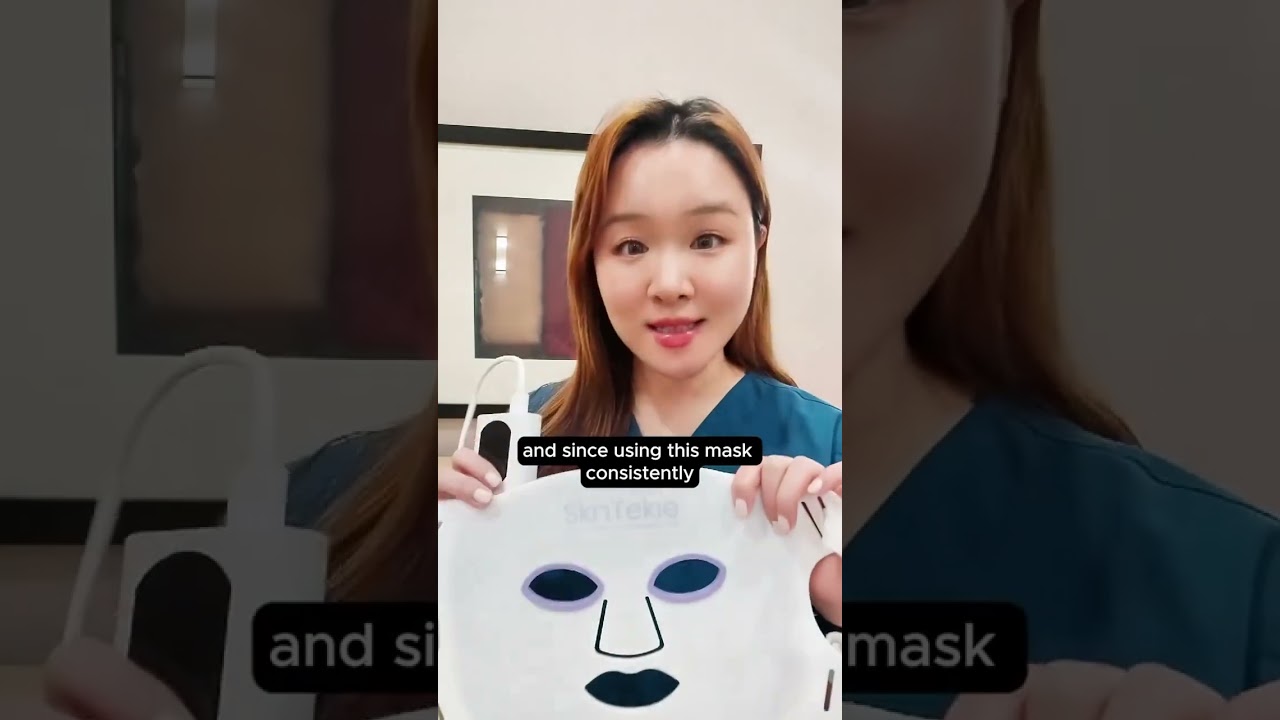
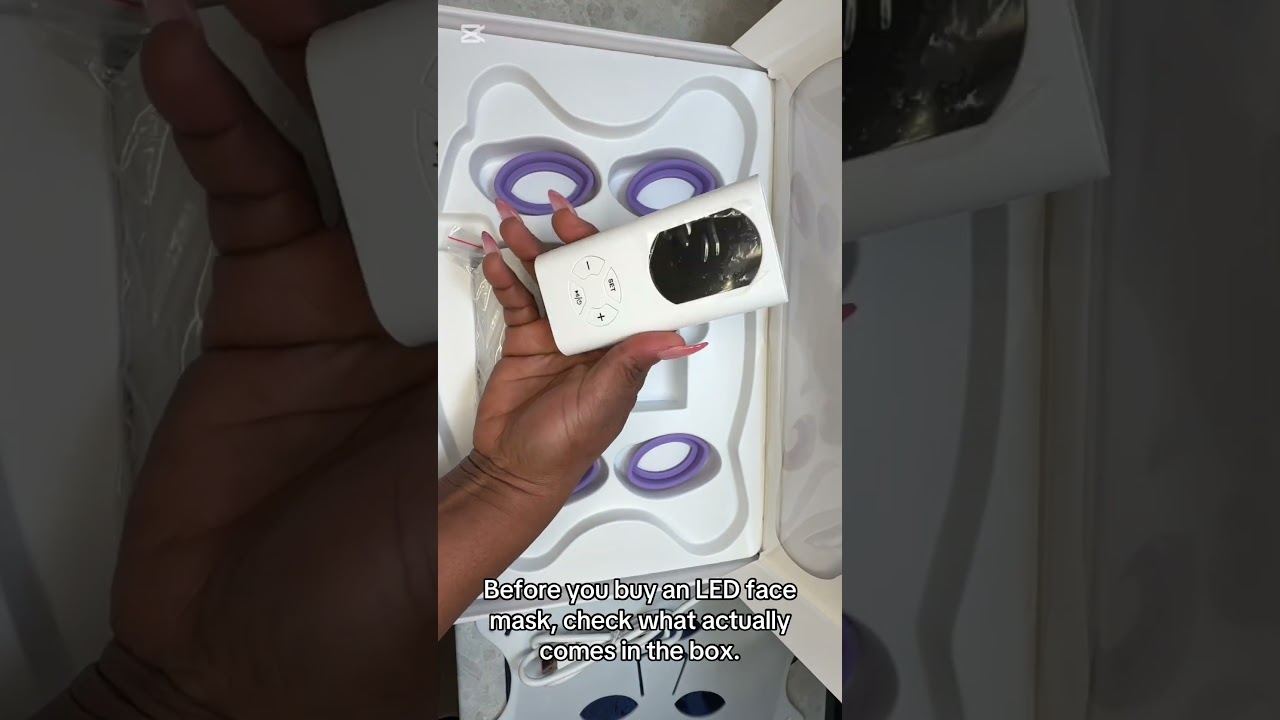
We designed the Skintekie LED Face Mask to check every box on this list: 7 wavelengths (red, blue, NIR, green, yellow, purple, cyan), 150+ medical-grade LEDs, FDA clearance, flexible silicone design, multiple treatment modes, and a $239 price point. New customers get 20% off plus free shipping, bringing the price to $191.
Ready to Find Your LED Mask?
New customers get 20% off + free shipping. Start at just $191.
Compare options: LED Face Mask Comparison Hub · Best LED Mask by Category · Best LED Masks by Skin Concern