Red Light vs Near-Infrared vs Blue Light Therapy: What's the Difference?
LED face masks use different wavelengths of light to interact with the skin at different depths. Each wavelength — measured in nanometers (nm) — has a specific penetration depth and targets different skin concerns. Understanding the difference between red, near-infrared, and blue light helps you choose the right mode for your goals and get the most out of each session.
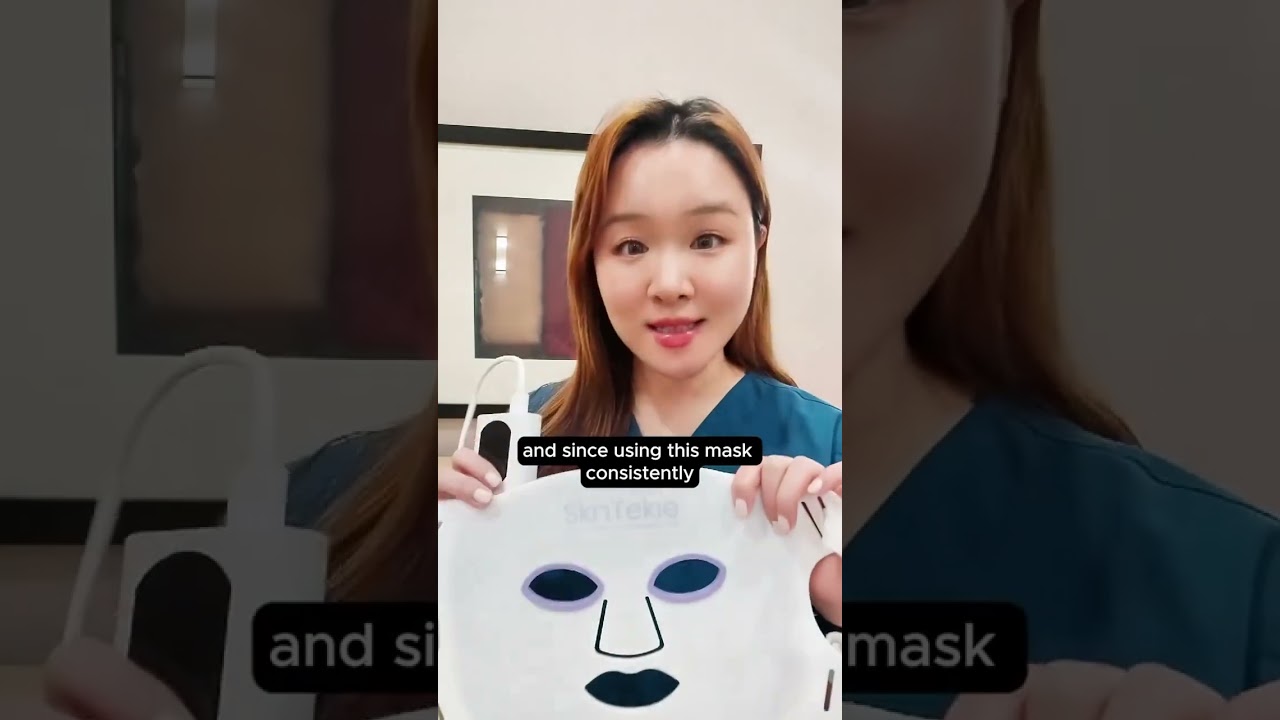
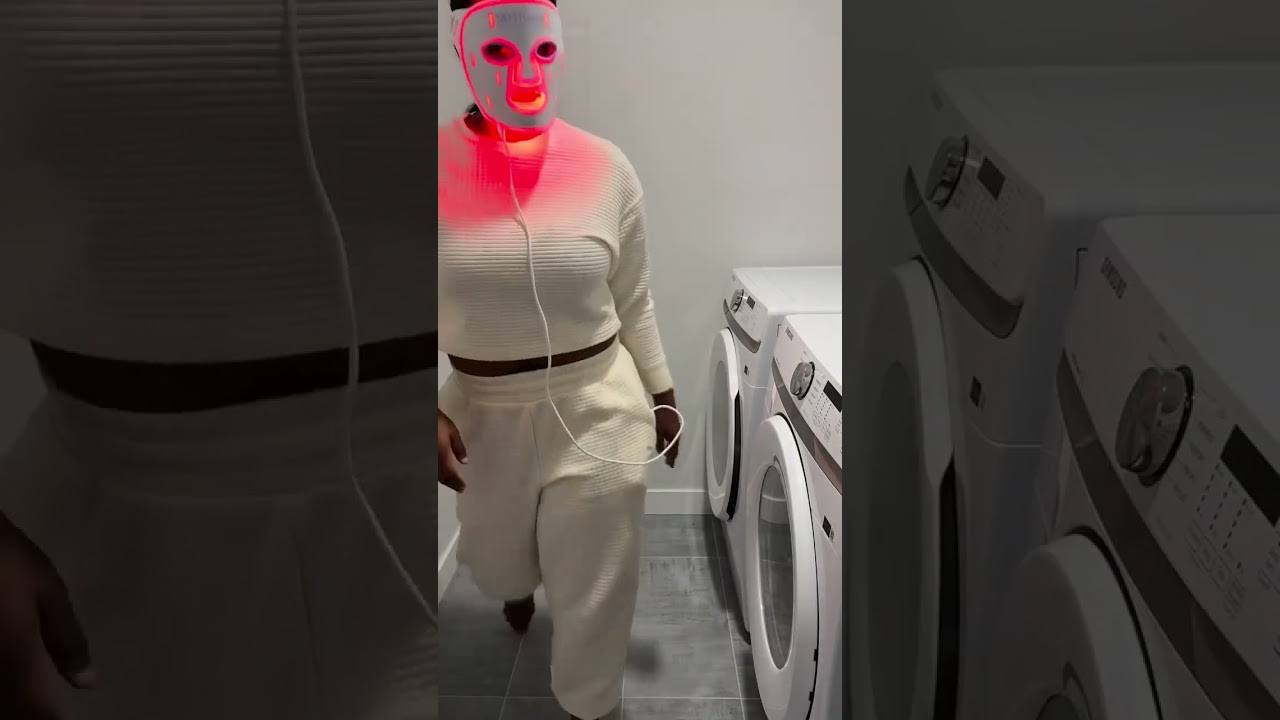
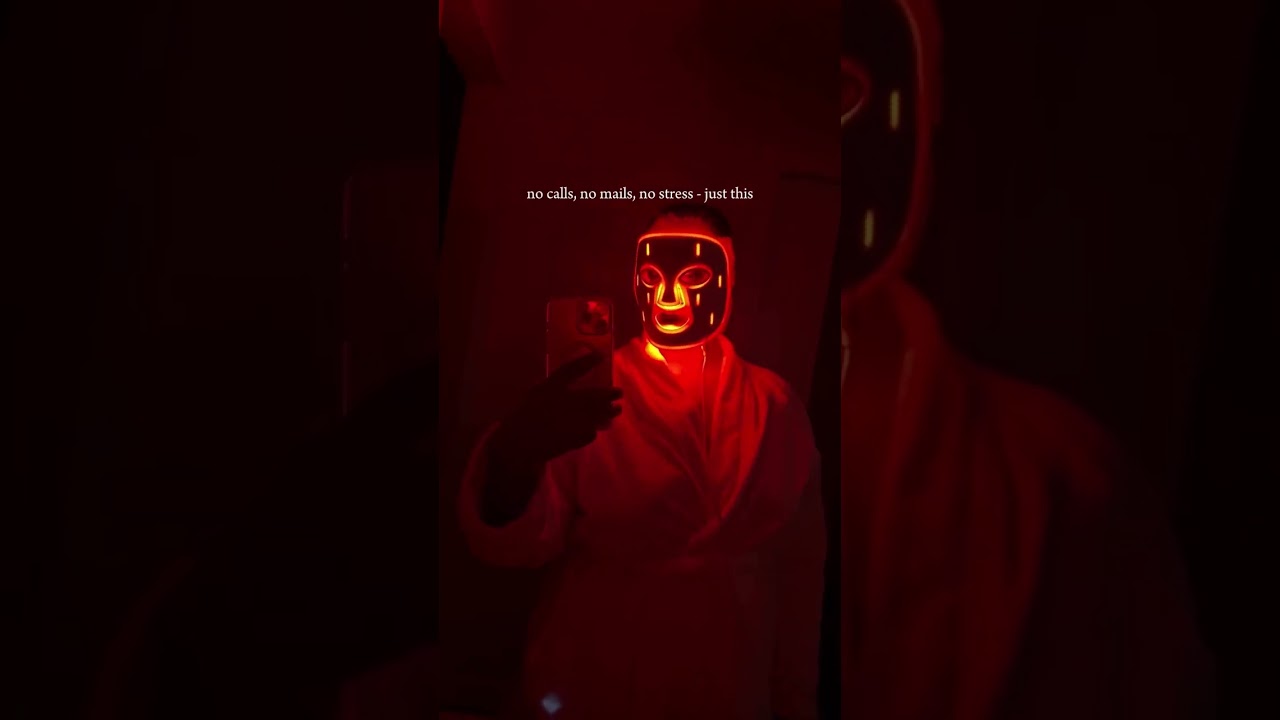
The Skintekie LED Face Mask offers three primary light modes: red light at 630nm, near-infrared at 830nm, and blue light at 415nm. Here is what each one does, who it is best for, and how to use it effectively.

Red Light Therapy (630nm) — Surface-Level Skin Support
What It Does
Red light at 630nm penetrates the outer layers of the skin (epidermis) and reaches the upper dermis. At this depth, it interacts with cells involved in collagen production, skin texture, and surface-level repair processes.
What It Is Best For
Red light therapy is the most widely studied wavelength in LED skincare. Research has focused on its role in supporting the skin's natural collagen production process, improving the appearance of fine lines over time, and supporting overall skin tone and texture. It is also the most commonly used mode for general skin maintenance.
How to Use It
Use red light mode for 10 to 15 minutes per session. Most research on red light therapy shows cumulative results, meaning consistency matters more than session length. Three to five sessions per week is a typical schedule. You can use red light mode as your default daily treatment.
Near-Infrared Light Therapy (830nm) — Deeper Penetration
What It Does
Near-infrared light at 830nm is invisible to the naked eye. It penetrates deeper than red light, reaching the lower dermis and subcutaneous tissue. At this depth, it interacts with cells involved in deeper tissue recovery and cellular energy production.

What It Is Best For
Near-infrared is often used by people focused on supporting the skin's recovery processes. Because it penetrates deeper than red light, it reaches cell layers that red light alone cannot access. This makes it a useful complement to red light therapy rather than a replacement. Some users alternate between red and near-infrared sessions throughout the week.
How to Use It
Use near-infrared mode for 10 to 20 minutes per session. Because the light is invisible, the mask may appear to be off during near-infrared sessions — this is normal. Two to three sessions per week is typical for near-infrared, alternated with red light sessions on other days.
Blue Light Therapy (415nm) — Surface-Level Targeting
What It Does
Blue light at 415nm operates at the surface level of the skin. It does not penetrate as deeply as red or near-infrared light. Its primary interaction is with bacteria and surface-level skin activity. Blue light has been studied for its antibacterial properties, particularly against the type of bacteria commonly associated with acne breakouts (Cutibacterium acnes).

What It Is Best For
Blue light is most relevant for people dealing with acne-prone skin. It targets bacteria on the skin surface that contribute to breakouts. It is not typically used for anti-aging or collagen support — that is where red and near-infrared excel. If acne is not a primary concern, blue light may not be your most-used mode.
How to Use It
Use blue light mode for 10 to 15 minutes per session. Two to four sessions per week is typical for acne management. Protective eyewear is recommended during blue light sessions, as this wavelength can cause eye discomfort with prolonged exposure.
Mixed Mode — Combining Wavelengths
The Skintekie LED Face Mask also offers a mixed mode (pink) that combines multiple wavelengths in a single session. This allows you to address multiple skin concerns simultaneously without needing to run separate sessions for each wavelength.
Mixed mode is a practical option for users who want a comprehensive treatment but have limited time. A 15 to 20 minute mixed mode session covers the benefits of multiple wavelengths in one sitting.

How to Choose the Right Mode for Your Skin
Choosing the right LED light mode depends on what you want to address:
- General skin maintenance and texture: Start with red light (630nm) as your primary mode, 3 to 5 times per week
- Deeper skin support and recovery: Add near-infrared (830nm) sessions 2 to 3 times per week, alternating with red light
- Acne-prone skin: Use blue light (415nm) 2 to 4 times per week, with red light on alternate days for overall skin support
- Comprehensive approach: Use mixed mode 3 to 4 times per week for broad-spectrum coverage
There is no single "best" mode — the right choice depends on your skin type, your primary concerns, and how much time you have for your routine. The advantage of an at-home LED mask is the flexibility to experiment and adjust your schedule as your skin changes over time.
Get Started
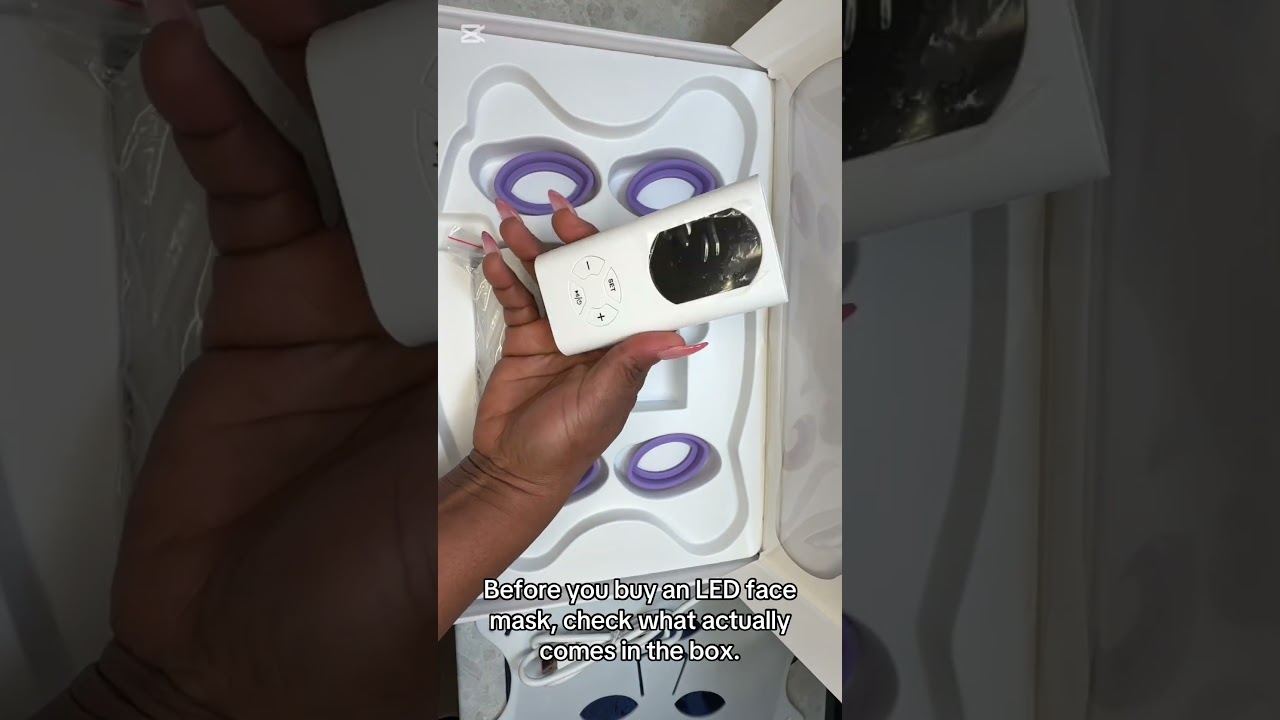
The Skintekie LED Face Mask gives you access to all three wavelengths plus mixed mode in a single wireless, FDA-cleared device. Each session takes 10 to 20 minutes and can be done while you go about your evening routine.
If you have questions about which mode is right for your skin, reach out to our team at support@skintekie.com.
Continue Reading
- How to Build a 10-Minute At-Home Skincare Routine Around LED Light Therapy
- How Long Does It Take to See Results from LED Light Therapy? A Realistic Timeline
- Is the Skintekie LED Face Mask FDA Cleared? At-Home LED Safety Guide
- IPL Hair Removal at Home vs Salon: Honest Cost Comparison
Shop SkinTekie
Still have questions? Visit our FAQ page for answers to the most common questions about LED light therapy and IPL hair removal.