Red Light, Blue Light, and Near-Infrared: Which LED Mask Mode Does Your Skin Need?
Your LED Mask Has Multiple Modes — Here's When to Use Each One
If you've invested in a multi-wavelength LED face mask, you've probably wondered: which color should I actually be using? The answer depends on what your skin needs right now, because each wavelength penetrates to a different depth and triggers a different biological response.
This guide breaks down the science behind each LED color so you can use the right mode at the right time — and get noticeably better results from your routine.

Red Light (620–660nm) — The Anti-Aging Powerhouse
What it does: Red light penetrates roughly 2–3mm into the skin, reaching the dermis where fibroblasts produce collagen and elastin. Studies show that consistent red light exposure at therapeutic doses stimulates new collagen formation, improves skin elasticity, and reduces fine lines.
Best for: Fine lines and wrinkles, loss of firmness, overall skin texture improvement, and post-procedure recovery.
When to use it: 3–5 times per week in the evening after cleansing. Red light is the foundational wavelength for most LED routines and can be used year-round regardless of skin type.
Timeline: Most people notice improved skin texture in 4–6 weeks and visible wrinkle reduction in 8–12 weeks with consistent use.
Blue Light (450–470nm) — Acne's Natural Enemy
What it does: Blue light targets porphyrins — molecules naturally produced by P. acnes bacteria. When exposed to blue light at 460nm, these porphyrins produce reactive oxygen species that destroy the bacteria from inside, reducing the root cause of inflammatory acne.
Best for: Active breakouts, recurring acne, and excess oil production. Blue light is most effective against inflammatory acne (red, swollen pimples) rather than blackheads or cystic acne.
When to use it: During active breakout periods, 3–5 times per week. You can reduce frequency once breakouts clear and switch to maintenance mode (1–2 times per week).
Pro tip: Combine blue light with near-infrared in the same session. Blue light kills bacteria, while NIR reduces the inflammation and redness that breakouts leave behind.
Near-Infrared / NIR (800–880nm) — The Deep Healer
What it does: NIR light is invisible to the naked eye but penetrates deepest of all LED wavelengths — up to 5mm into tissue. It reaches the deeper dermal layers and even subcutaneous tissue, where it enhances mitochondrial function (the cell's energy production), reduces inflammation, and accelerates wound healing.
Best for: Deep tissue repair, inflammation reduction, post-procedure healing, joint and muscle pain (if using a full-body panel), and amplifying the effects of red light therapy.
When to use it: Pair with red light for maximum anti-aging benefits. Use after any skin procedure (microneedling, chemical peels) to speed recovery. Also effective for calming rosacea flares and general facial puffiness.
Why it matters: Many premium masks skip NIR entirely (like the Dr. Dennis Gross SpectraLite). Masks that include both red and NIR (like Skintekie at 630nm + 850nm) deliver more comprehensive anti-aging results because they work at multiple skin depths simultaneously.
Green Light (520–560nm) — The Dark Spot Fader
What it does: Green light targets melanocytes — the cells responsible for pigment production. It helps regulate melanin synthesis, which over time reduces the appearance of dark spots, sun damage, and post-inflammatory hyperpigmentation (the marks left behind after acne clears).
Best for: Hyperpigmentation, dark spots, melasma, sun damage, and uneven skin tone.
When to use it: 3–4 times per week. Best paired with red light for overall skin radiance. Results typically take 6–10 weeks of consistent use since melanin production changes slowly.
Note: Most LED masks — including Omnilux, CurrentBody, and Dr. Dennis Gross — don't include green light. This wavelength is less common but highly valuable if hyperpigmentation is a concern.
Yellow Light (570–590nm) — The Calming Wave
What it does: Yellow light promotes lymphatic drainage, reduces redness, and supports skin barrier repair. It's the gentlest therapeutic wavelength and works well for sensitive or reactive skin.
Best for: Redness, rosacea, sensitive skin, and skin barrier repair after over-exfoliation or harsh treatments.
When to use it: Use after a retinol night, after sun exposure, or whenever your skin feels irritated. Also useful as a calming step after more intense treatments like blue light for acne.
Which Modes Should You Combine?
| Your Concern | Best Mode Combination | How Often |
|---|---|---|
| Anti-aging + firmness | Red + NIR | 4–5x/week |
| Active acne | Blue + NIR | 3–5x/week |
| Acne + anti-aging | Blue → Red + NIR (alternate sessions) | 5x/week |
| Dark spots + glow | Green + Red | 3–4x/week |
| Sensitive / reactive skin | Yellow + Red (low intensity) | 2–3x/week |
| Post-procedure recovery | NIR + Yellow | Daily for 5–7 days |
| General maintenance | Red + NIR | 2–3x/week |

Why Multi-Wavelength Masks Give Better Results
Most LED masks on the market offer only 1–2 wavelengths. That means you're locked into treating one concern, even as your skin's needs change with the seasons, your cycle, stress levels, or age.
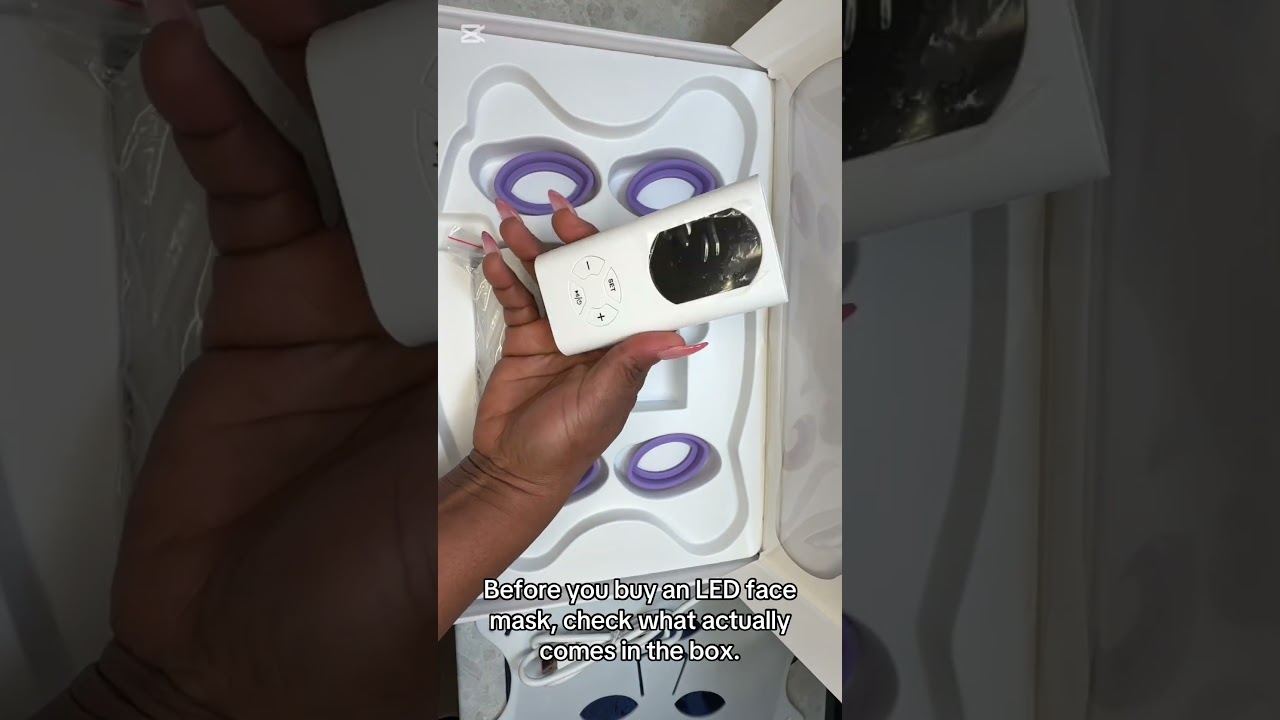
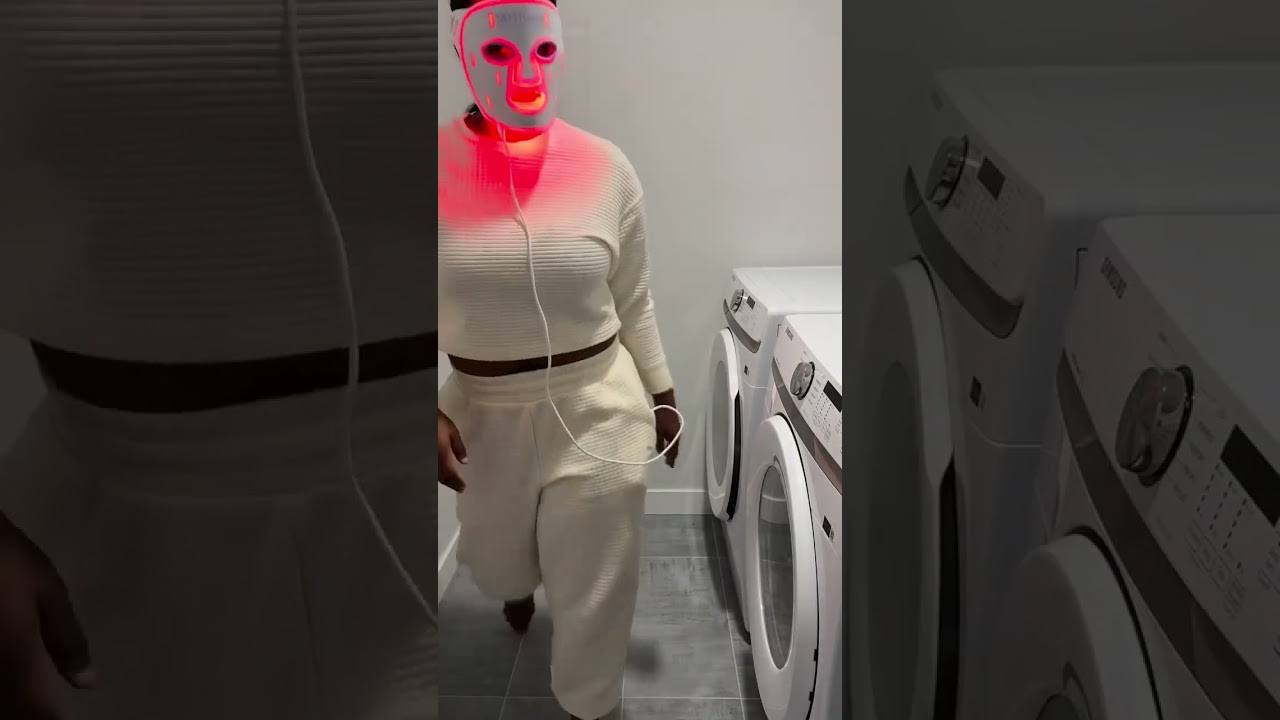
A multi-wavelength mask like the Skintekie LED Face Mask (7 colors including red, blue, NIR, green, yellow, purple, and cyan) lets you adapt your routine the way a dermatologist would — prescribing different treatments as conditions change rather than repeating the same protocol endlessly.
The Bottom Line
The most effective LED mask is one that gives you the right wavelengths for your skin concerns — not just the most expensive one. Understanding what each color does empowers you to use your mask intelligently, customizing each session for what your skin actually needs that day.
Get All 7 Wavelengths in One Mask
New customers save 20% + free shipping. Skintekie starts at just $191.
Learn more: LED Masks for Acne (Blue Light Deep Dive) · LED Masks for Anti-Aging (Red + NIR) · LED Mask Buying Guide