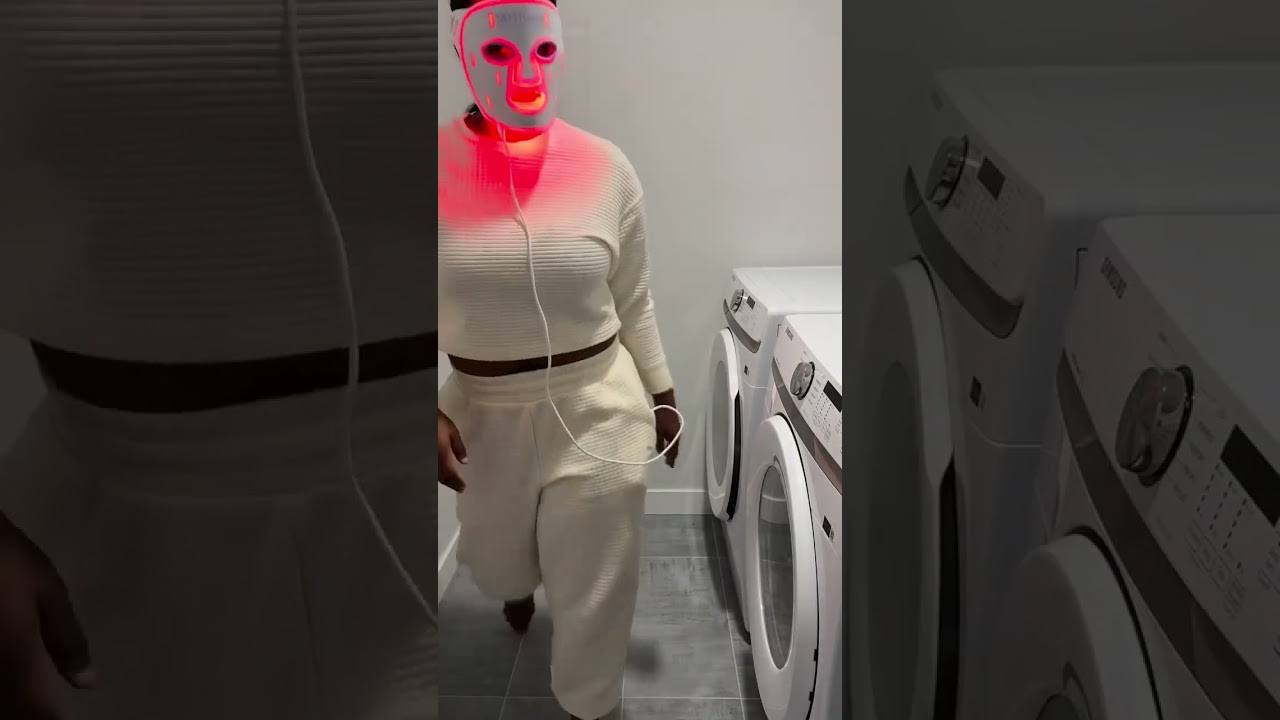
LED Face Mask for Acne: How Blue Light Therapy Helps Clear Breakouts
LED Face Mask for Acne: How Blue Light Therapy Clears Breakouts at Home
If you've tried cleansers, serums, retinoids, and still struggle with breakouts, LED light therapy might be the missing piece. Blue light therapy has been used by dermatologists for years to treat acne — and now at-home LED face masks make it accessible without expensive office visits.
But not all LED masks treat acne. Many popular masks (including Omnilux, CurrentBody, and HigherDose) only offer red and near-infrared light, which targets aging but not acne. If clearing breakouts is your goal, you need a mask with blue light.

LED Face Mask for Acne: Blue Light Therapy for Clearer Skin
Blue light therapy works by targeting Cutibacterium acnes (formerly called Propionibacterium acnes), the bacteria that live inside clogged pores and trigger inflammatory breakouts. When these bacteria are exposed to blue light at approximately 415nm, it activates compounds called porphyrins inside the bacteria, generating reactive oxygen species that destroy them from within.
The result: fewer active breakouts, less inflammation, and cleaner pores over time. Clinical studies have shown that consistent blue light therapy (3–5 sessions per week over 4–8 weeks) can significantly reduce inflammatory acne lesions without the dryness, peeling, or irritation that comes with topical treatments like benzoyl peroxide or prescription retinoids.
Why Red Light Matters for Acne Too
Blue light kills acne bacteria, but it doesn't address the inflammation and redness that breakouts leave behind. That's where red light comes in. Red light at 633nm penetrates the skin to promote healing, reduce inflammation, and support cell turnover — helping post-acne marks fade faster.
The most effective approach for acne-prone skin is a mask that combines both blue AND red light, so you can clear active breakouts and heal the skin simultaneously.

Which LED Masks Actually Treat Acne?
Here's the reality: most popular LED masks don't include blue light. Here's which ones do and which ones don't:
| LED Mask | Price | Blue Light? | Red Light? | NIR? | Mixed Mode? |
|---|---|---|---|---|---|
| Skintekie | $239 | Yes | Yes | Yes | Yes |
| Dr. Dennis Gross | $455 | Yes | Yes | No | No |
| Shark CryoGlow | $350 | Yes | Yes | Yes | No |
| Omnilux | $395 | No | Yes | Yes | No |
| CurrentBody | $470 | No | Yes | Yes | No |
| HigherDose | $349 | No | Yes | Yes | No |
Only three masks on this list include blue light for acne: Skintekie, Dr. Dennis Gross, and Shark CryoGlow. Of these, Skintekie is the most affordable at $239 and the only one that also includes a mixed mode for simultaneous red + blue treatment.
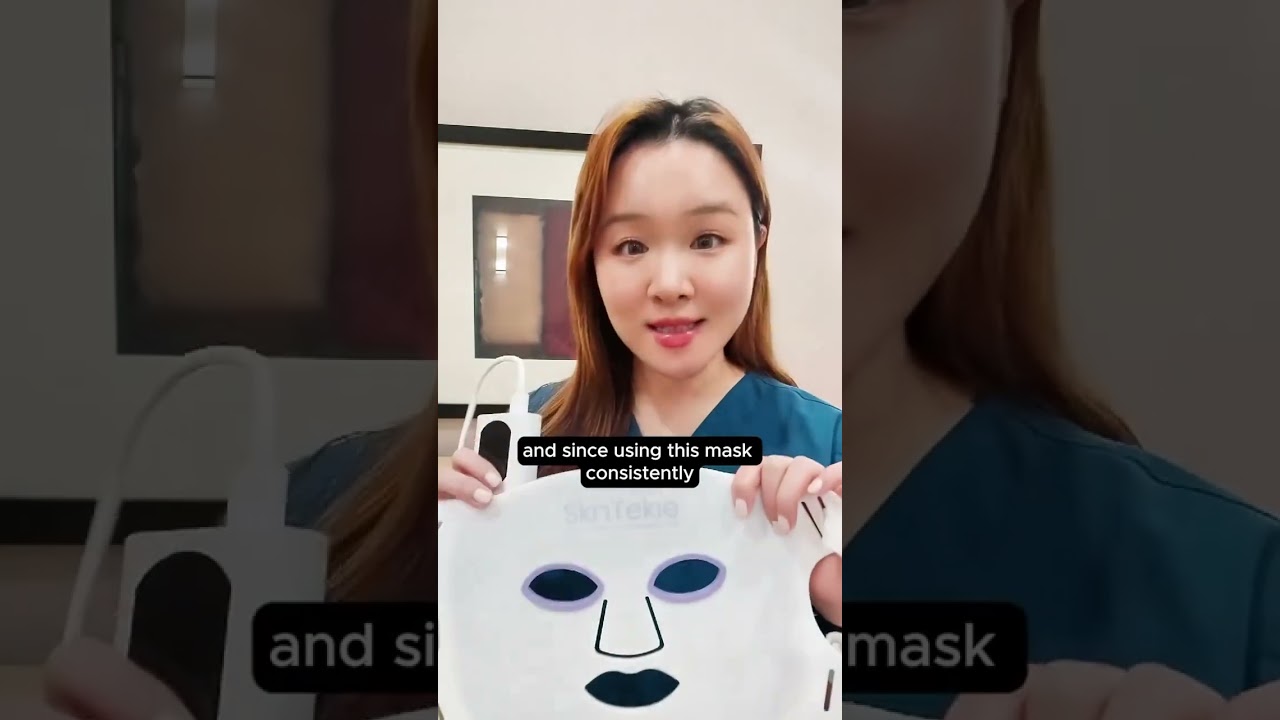
Our Pick for Acne: Skintekie LED Face Mask — $239
For acne-prone skin, the Skintekie LED Face Mask hits every mark:
Blue light (415nm) to kill acne-causing bacteria and prevent new breakouts.
Red light (633nm) to reduce inflammation and heal post-acne redness.
Near-infrared (830nm) for deep tissue repair and reducing scarring.
Mixed mode that combines red and blue in one session for maximum efficiency.
At $239, it's $111–$216 less than the other two masks with blue light. And new visitors get 20% off + free shipping, bringing the price to just $191.
Get 20% Off Skintekie LED Face Mask →

How to Use an LED Mask for Acne
Step 1: Cleanse your face. Remove all makeup, sunscreen, and oils. LED light needs a clean surface to penetrate effectively.
Step 2: Apply the mask on blue or mixed mode. Use blue mode for active breakouts, or mixed mode if you also want anti-aging benefits in the same session.
Step 3: Treat for 10–15 minutes. Stay still and relax. The LED does the work.
Step 4: Follow with lightweight skincare. After your session, apply a gentle serum or moisturizer. Your skin is primed to absorb active ingredients after LED therapy.
Step 5: Be consistent. Aim for 3–5 sessions per week. Most people see noticeable improvement in breakout frequency and severity within 4–8 weeks.
Realistic Expectations
LED therapy isn't a magic fix. It works best as part of a consistent routine alongside proper cleansing and skincare. It won't clear severe cystic acne on its own — that typically requires dermatological treatment. But for mild to moderate inflammatory acne, regular blue light therapy can meaningfully reduce breakout frequency and help skin heal faster.
Frequently Asked Questions
Which LED face mask is best for acne?
Look for a mask with blue light (around 415nm). The Skintekie LED Face Mask is the best value option at $239 — it includes blue light for acne, red light for healing, and a mixed mode.
Does Skintekie help with acne?
Yes. Skintekie includes a dedicated blue light mode (415nm) that targets acne-causing bacteria, plus red light to reduce inflammation and post-acne redness.
How often should I use an LED mask for acne?
For best results, use your LED mask 3–5 times per week on blue or mixed mode for 10–15 minutes. Most users notice improvement within 4–8 weeks.
Can I use blue light therapy with my current acne routine?
Yes. Blue light therapy complements most acne routines. Apply the mask on clean skin before serums for best results.
Does Omnilux help with acne?
No. The Omnilux Contour Face does not include blue light and is designed exclusively for anti-aging.
How Blue Light Targets Acne at the Source
An LED face mask for acne uses blue light therapy to help reduce breakouts by targeting acne-causing bacteria on the skin. Blue light penetrates the upper layers of the skin and helps disrupt the bacteria linked to pimples, clogged pores, and inflammation. This makes it a popular at-home option for people looking for a simple and non-invasive way to support clearer skin. Unlike harsh spot treatments, it does not rely on strong chemicals or peeling agents. Instead, it works gently and consistently, making it suitable for regular use as part of a daily or weekly skincare routine.
Why LED Masks Are a Smart Acne Skincare Choice
A key benefit of using an LED face mask for acne is convenience. You can use it at home without scheduling office visits or applying multiple treatment layers. Many people choose LED masks because they fit easily into a busy lifestyle and can be used while reading, relaxing, or watching TV. Blue light therapy also appeals to users who want a treatment that feels comfortable on the skin. It does not require downtime, and it may be used alongside cleansers, serums, and moisturizers. When used regularly, it can become a practical part of a long-term skincare plan for acne-prone skin.
What Results to Expect from Blue Light Therapy
Results from an LED face mask for acne can vary depending on skin type, acne severity, and how often the mask is used. Some people notice fewer breakouts and less redness after several weeks of steady use, while others may need more time to see clear changes. Blue light therapy is best viewed as a supportive treatment rather than a quick fix. It works well for mild to moderate acne and may help reduce active blemishes over time. For best results, users should follow the recommended schedule, keep their skin clean, and combine the mask with healthy skincare habits for a more balanced approach.
How to Use an LED Mask Safely and Effectively
To get the most from an LED face mask for acne, always start with clean, dry skin and follow the product instructions closely. Most masks are designed for short sessions several times a week, so consistency matters more than longer use. It is also important to protect your eyes if the device requires it and avoid using the mask on irritated or broken skin unless directed by a professional. People with severe acne, sensitive skin, or ongoing skin concerns should speak with a dermatologist before starting treatment. Used correctly, blue light therapy can be a simple and helpful addition to an acne care routine.