Is IPL Safe for Sensitive Skin? Expert Guide & Safety Tips
Share
Got sensitive skin and thinking about trying IPL hair removal? You're not alone in wondering if it's safe. Sensitive skin reacts to everything—harsh soaps, new moisturizers, even weather changes—so the thought of using intense pulsed light can feel intimidating.
The good news? IPL can work for sensitive skin, but it requires extra care and the right approach. Let's break down what you need to know.
Understanding IPL and How It Affects Sensitive Skin
IPL (Intense Pulsed Light) uses broad-spectrum light to target melanin in hair follicles. When the light is absorbed, it converts to heat that damages the follicle's ability to produce new hair. For sensitive skin, that heat component is what raises concerns.
According to dermatologists, IPL is generally safe when used correctly, but higher skin sensitivities mean you're more prone to temporary side effects like redness, mild discomfort, or irritation.
The key word here is "temporary." Most side effects from IPL resolve within hours to a few days, especially when you take proper precautions.
What Makes Sensitive Skin Different?
Sensitive skin has a compromised or weakened skin barrier, making it more reactive to external stimuli. This means your skin might respond more intensely to IPL treatment compared to normal skin types.
Common sensitive skin characteristics:
- Easily irritated by products or treatments
- Prone to redness and inflammation
- May sting or burn with new products
- Reacts to temperature changes
- Often dry or flaky
If this sounds like your skin, you're definitely in the sensitive category and should approach IPL with extra caution.
Is IPL Actually Safe for Sensitive Skin?
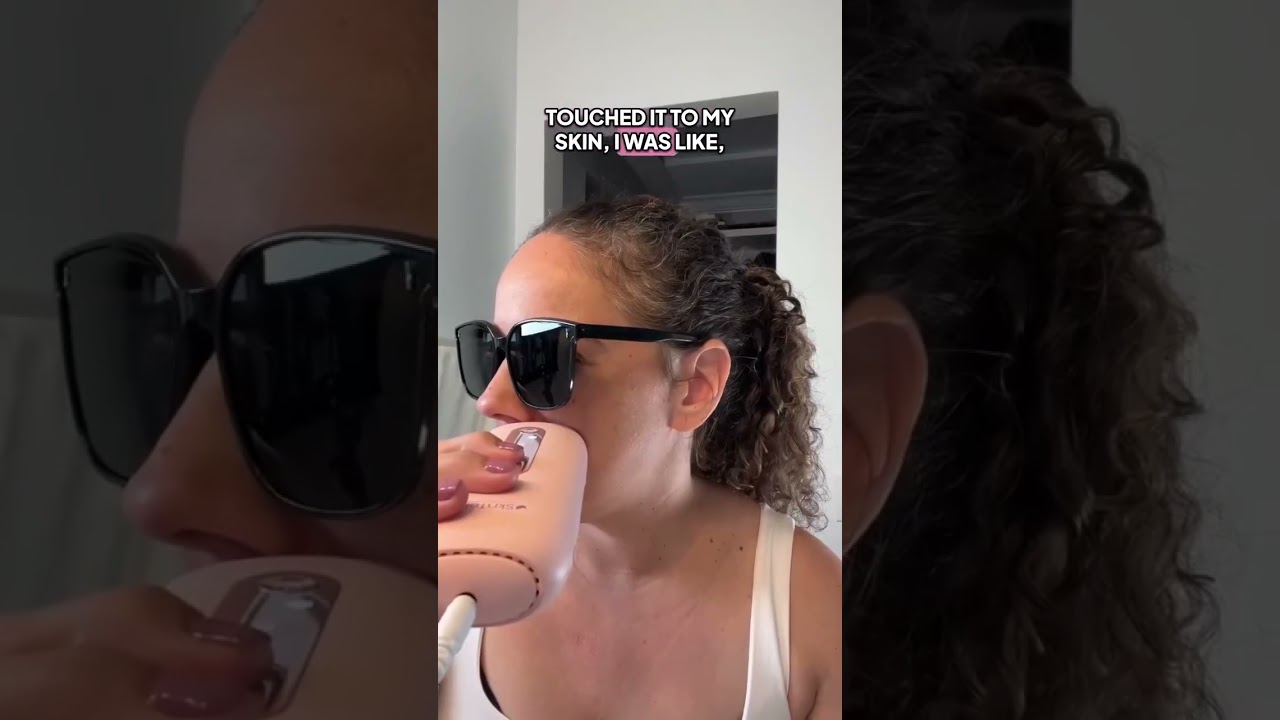
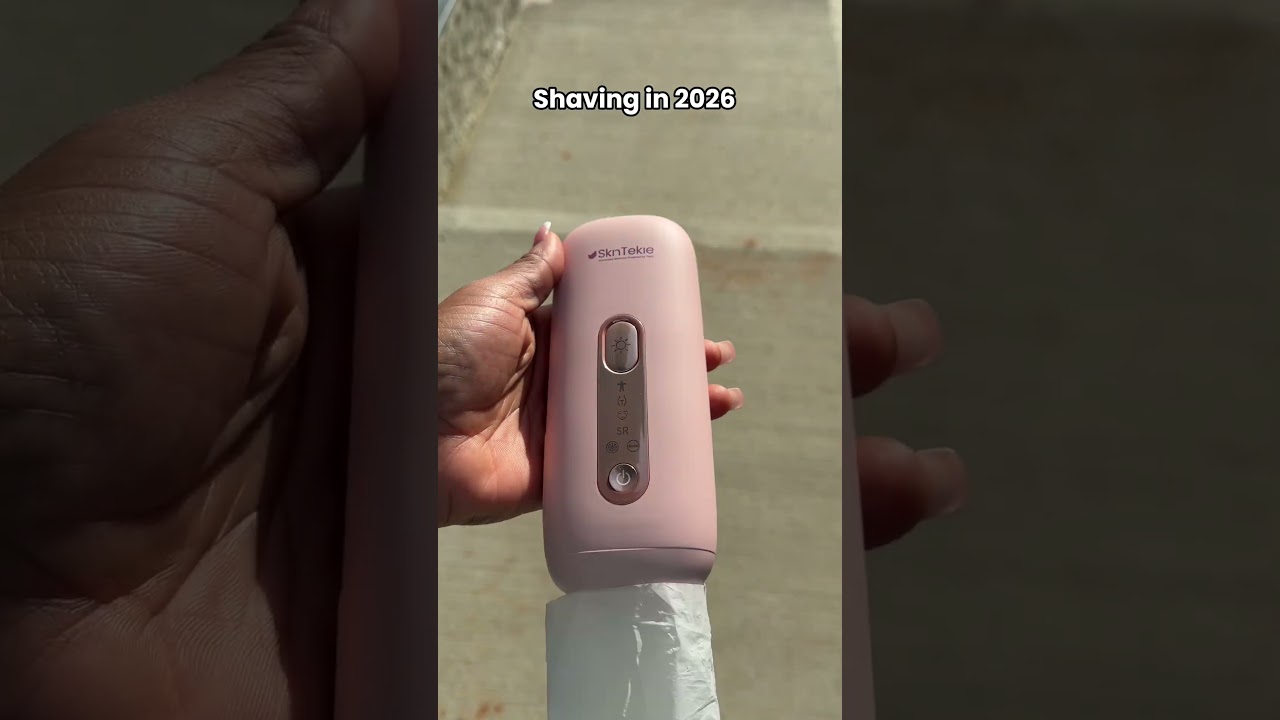
Yes—with important caveats. IPL devices like the Skintekie IPL are designed with multiple intensity settings specifically so you can start low and gradually increase as your skin tolerates treatment.
According to Braun's safety guidelines, modern IPL devices feature sensitive modes that adapt light intensity for use on delicate areas, making them suitable for first-time users and sensitive skin.
The most critical safety measure? Start with the lowest setting and conduct a patch test before treating larger areas.
The Patch Test: Non-Negotiable for Sensitive Skin
Even if an IPL device is compatible with your skin tone and hair color, sensitive skin might react unpredictably. According to safety best practices from Ulike, you should always perform a patch test on a small area and wait a day or two before starting full-body treatment.
Here's how to do it right:
Step 1: Choose an inconspicuous test area (inner wrist or behind knee work well) Step 2: Use the device on the lowest intensity setting Step 3: Wait 24-48 hours and monitor for reactions Step 4: Look for redness, swelling, prolonged irritation, or unusual sensitivity
If you experience severe reactions, IPL might not be suitable for your skin type. Mild temporary redness that disappears within a few hours is normal.
Choosing the Right Intensity Setting
Starting at the lowest intensity isn't just a suggestion—it's essential for sensitive skin. Expert testing from Women's Health found that devices with lower intensity options are particularly useful for sensitive skin, allowing gradual adjustment as skin acclimates.
How to approach intensity levels:
Week 1-2: Use the absolute lowest setting Week 3-4: Increase by one level if skin tolerates well Week 5+: Gradually increase only if experiencing no irritation
Never jump multiple levels at once, even if results seem slow. Patience prevents damage.
Best Practices for Sensitive Skin IPL Use
Beyond intensity settings, these practices minimize irritation:
Prepare Your Skin Properly
24 hours before treatment:
- Shave the treatment area (never wax or pluck)
- Avoid exfoliating products
- Skip harsh chemicals or active ingredients (retinol, acids)
- Don't apply any lotions, oils, or products before treatment
According to Good Housekeeping's IPL testing, Dr. Baum recommends avoiding sun exposure before and after treatment due to higher skin sensitivities.
During Treatment
Keep sessions short initially: Start with smaller areas to gauge skin response Ensure skin is clean and dry: No products of any kind on treatment areas Watch for discomfort: Mild warmth is normal; burning pain is not Don't overlap pulses: Hitting the same spot multiple times increases irritation risk
After Treatment
Immediately post-treatment:
- Apply soothing aloe vera gel if needed
- Avoid tight clothing on treated areas
- Skip hot showers or baths for 24 hours
- No swimming pools (chlorine can irritate)
- Apply gentle, fragrance-free moisturizer after 30 minutes
According to IPL safety guidelines, common side effects include temporary redness and sensitivity, which are more prevalent in sensitive skin but typically resolve quickly with proper care.
Areas That Need Extra Caution
Some body areas are inherently more sensitive than others, requiring gentler treatment:
Most sensitive zones:
- Face (especially upper lip and chin)
- Bikini area
- Underarms
- Inner thighs
The Skintekie IPL device allows you to adjust intensity for different body areas, which is crucial when treating sensitive zones.
For these areas, many users find that staying one intensity level below what they use on legs or arms prevents irritation while still delivering results.
Red Flags: When to Stop Using IPL
Sensitive skin requires vigilant monitoring. Stop treatment immediately if you experience:
- Burns or blistering
- Severe pain during or after treatment
- Redness lasting more than 24 hours
- Swelling that worsens instead of improving
- Skin that feels hot to touch hours after treatment
- Any scarring or textural changes
If any of these occur, discontinue use and consult a dermatologist. According to research on IPL side effects, while rare, improper use can cause prolonged pigmentation changes, especially in sensitive skin.
Who Shouldn't Use IPL (Even with Sensitive Skin)
Some conditions make IPL inappropriate regardless of skin sensitivity:
Absolute contraindications:
- Very dark skin tones (Fitzpatrick V-VI)
- Active skin infections, eczema, or psoriasis in treatment areas
- Recent sun exposure or active tan
- Photosensitizing medications
- Pregnancy or nursing
- Skin cancer or history of keloid scarring
Check with your dermatologist before starting IPL if you have any medical skin conditions.
Alternative Options for Extremely Sensitive Skin
If IPL proves too irritating even at the lowest settings, consider these alternatives:
Professional treatments: Trained technicians can adjust parameters more precisely for sensitive skin
Laser hair removal: Some laser types (especially longer wavelengths) may be gentler than IPL for sensitive skin
Traditional methods: Shaving with quality razors and proper technique remains effective for very sensitive skin
Prescription treatments: For facial hair, prescription creams like Vaniqa might be less irritating alternatives
Success Stories and Realistic Expectations
Many people with sensitive skin successfully use IPL hair removal with proper precautions. According to user feedback from Cosmopolitan's IPL testing, devices with cooling technology significantly reduce potential discomfort during treatments, especially in sensitive areas.
What to realistically expect:
- Slightly longer adjustment period than normal skin
- Need to maintain lower intensity settings
- Possibly more frequent moisturizing
- Similar hair reduction results with consistent use
The timeline might extend slightly compared to non-sensitive skin, but results are achievable.
Creating Your Sensitive Skin IPL Routine
Here's a sample weekly routine for sensitive skin starting IPL:
Weeks 1-4: Treat once per week on lowest setting Weeks 5-8: Treat once per week, increase intensity by one level if tolerating well Weeks 9-12: Continue weekly, adjust intensity as comfortable Month 4+: Space to every 2-3 weeks for maintenance
Always skip a session if your skin seems irritated from the previous treatment. Missing one session is better than causing damage that sets you back weeks.
The Bottom Line
IPL is safe for sensitive skin when approached carefully and methodically. The technology itself isn't the problem—it's about finding the right intensity, frequency, and aftercare routine that works for your specific skin.
Modern devices like the Skintekie IPL offer the adjustable settings and gradual approach that sensitive skin requires. With patience, proper preparation, and attention to your skin's responses, IPL can deliver significant hair reduction even for those with reactive, sensitive skin.
Start low, go slow, and listen to your skin. That's the formula for safe, effective IPL use on sensitive skin.
Related Reading:
Ready to Start Your IPL Journey?
The SkinTekie IPL Hair Removal Device features ice-cooling technology for pain-free, permanent results at home.
Shop IPL Device →Sources: NIH - IPL for Hair Removal | AAD - Laser Hair Removal Guide