IPL Hair Removal for Bikini Area: Is It Safe? Complete Guide
Share
Is IPL Hair Removal Safe for the Bikini Area?
The bikini area is one of the most popular treatment zones for at-home IPL hair removal — and one that raises the most questions about safety. The short answer: yes, IPL is safe for the bikini line when used correctly. Here's everything you need to know before you start.
How IPL Works on Bikini Area Hair
Intense Pulsed Light (IPL) works by emitting broad-spectrum light that is absorbed by the melanin (pigment) in hair follicles. This light energy converts to heat, which damages the follicle and slows future hair growth. The bikini area responds well to IPL because the hair there tends to be darker and coarser — exactly the type of hair that absorbs IPL energy most effectively.
Over multiple sessions, you'll notice hair growing back thinner, sparser, and slower until regrowth becomes minimal. Unlike shaving, which cuts hair at the surface, or waxing, which pulls it from the root temporarily, IPL targets the follicle itself for longer-lasting results that improve with each treatment.
The bikini area's skin is more sensitive than areas like the legs or arms, which is why understanding proper technique and settings is essential for safe, comfortable treatments.
Bikini Line vs. Full Brazilian: What Can You Treat?
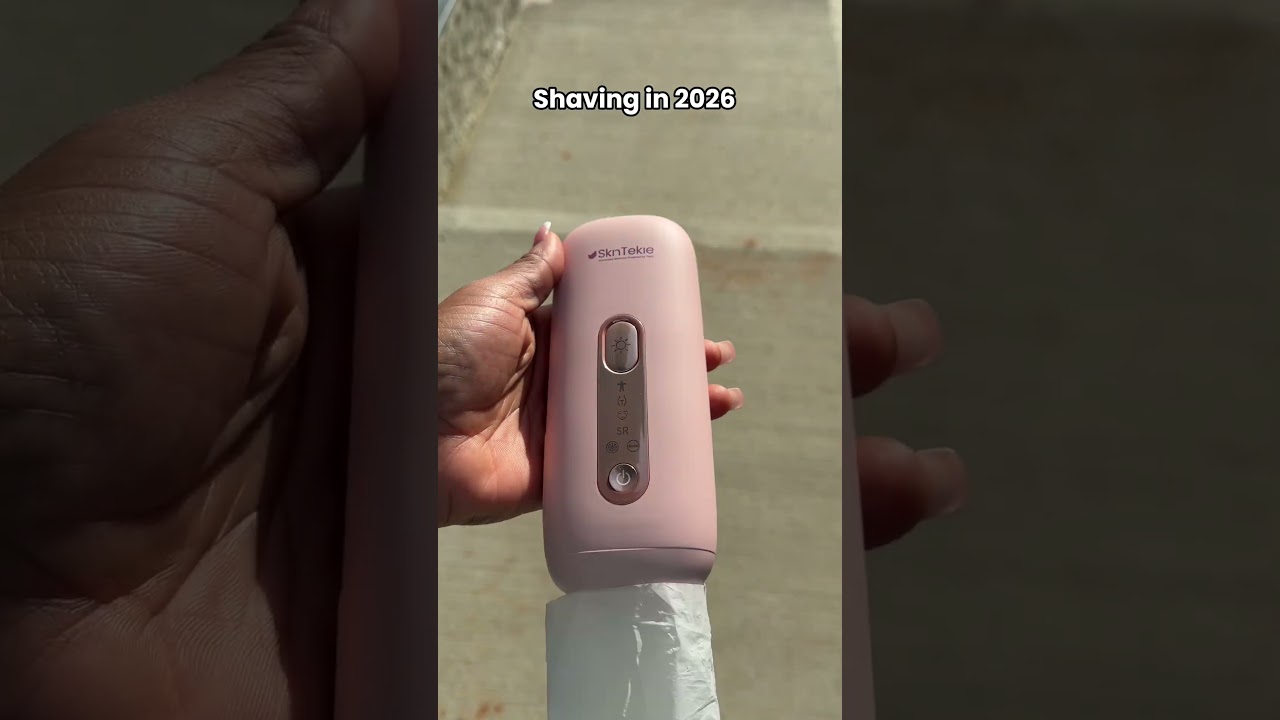
Most at-home IPL devices, including the Skintekie IPL Hair Removal Device, are designed for use on the bikini line — the area around the edges of your underwear or swimsuit. This includes:
- Standard bikini line — the crease where your thigh meets your torso
- Extended bikini — slightly further in from the standard line
- High bikini — covers more area toward the lower abdomen
For areas closer to mucous membranes or very sensitive genital skin, most manufacturers recommend caution. The Skintekie device's built-in skin tone sensor helps ensure you're using the right intensity level for the area being treated, adding an extra layer of safety for sensitive zones.
If you're new to IPL, it's best to start with the outer bikini line and gradually work inward as you become comfortable with the sensation and your skin's response to treatment.
What Does IPL Feel Like on the Bikini Area?
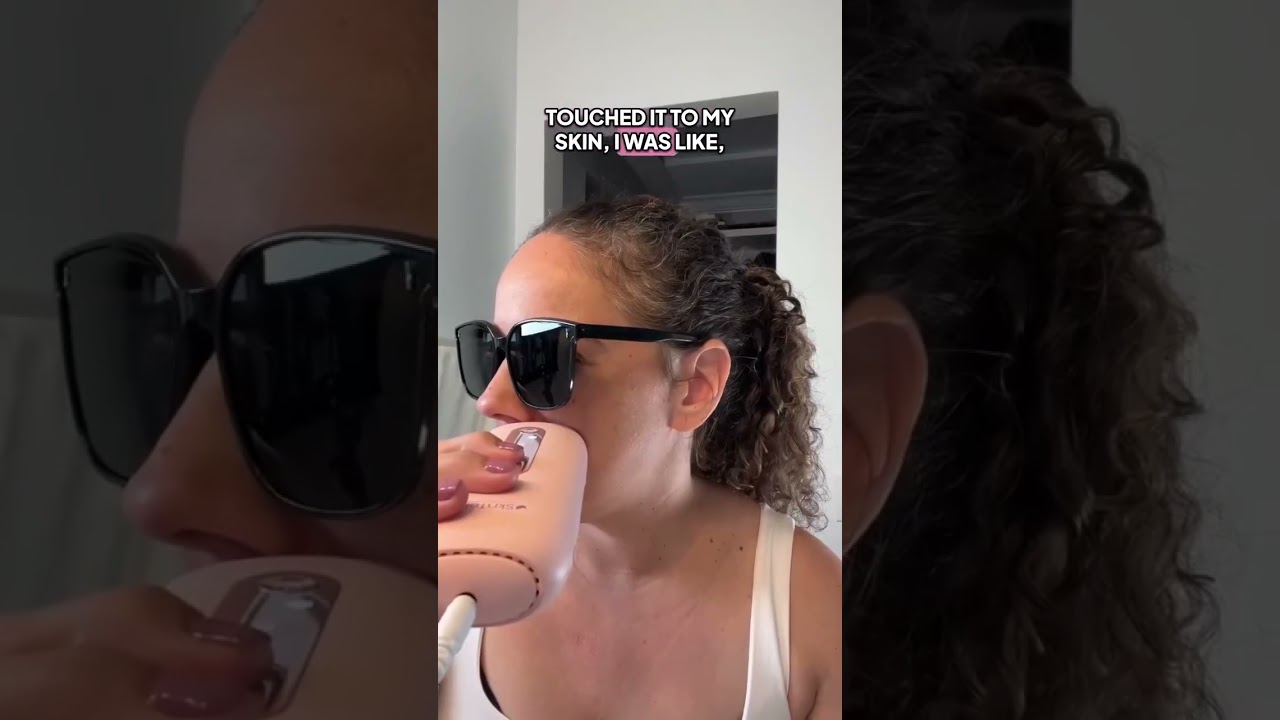
Sensitivity varies from person to person, but most users describe the sensation as a warm snap — similar to a rubber band lightly flicking the skin. The bikini area is more sensitive than the legs or arms, so you may notice a slightly stronger sensation here compared to other treatment zones.
Tips for managing discomfort:
- Start on the lowest intensity setting and gradually increase as your skin adjusts over multiple sessions
- Treat immediately after a cool shower when skin is clean and pores are slightly open
- Apply a cold compress or aloe vera gel after treatment to soothe any temporary warmth
- Avoid treating the area during your menstrual period, when skin sensitivity may be heightened
- Shave the area 12–24 hours before treatment (never wax before IPL, as the follicle needs to be intact)
Most users report that discomfort decreases significantly after the first 2–3 sessions as hair becomes thinner and there is less melanin for the light to target.
How to Prepare for Bikini Area IPL Treatment
Proper preparation is key to both safety and effectiveness. Follow these steps before each treatment session:
48 hours before: Stop using any retinol, glycolic acid, or chemical exfoliants on the bikini area. These products increase skin sensitivity and can raise the risk of irritation during IPL treatment.
24 hours before: Shave the treatment area with a clean, sharp razor. IPL works best when hair is just below the skin surface — if hair is too long above the skin, the light energy gets absorbed before reaching the follicle, reducing effectiveness and potentially causing surface burns.
Immediately before: Clean the area thoroughly and make sure skin is completely dry. Remove any lotions, deodorant, or skincare products. The treatment area should be clean, dry, and free of any products that could interfere with light absorption.
Check your skin tone: Use the device's skin tone sensor or compare your bikini area skin tone to the Fitzpatrick scale chart included with your device. The bikini area may be a different shade than your arms or legs, so always check the specific area you plan to treat.
Recommended Treatment Schedule
Consistency is the most important factor in IPL success. Here is a recommended schedule for bikini area treatments:
Weeks 1–4 (Induction phase): Treat once per week for the first four weeks. This targets hair follicles in their active growth phase (anagen phase) and begins the process of follicle damage that leads to reduced regrowth.
Weeks 5–12 (Reduction phase): Treat once every two weeks. By this point, you should notice significantly less regrowth and thinner hair. The bi-weekly schedule catches follicles that were dormant during earlier sessions.
Month 4 and beyond (Maintenance phase): Treat once per month or as needed. Most users find that after 8–12 sessions, regrowth is minimal and maintenance treatments every 4–6 weeks are sufficient to keep the area smooth.
Hair grows in cycles, and IPL is only effective on hair in the active growth phase. This is why multiple sessions are necessary — each treatment catches a different portion of hair follicles in their growth cycle.
Safety Tips for Bikini Area IPL
Follow these safety guidelines for the best results with minimal risk:
- Never use IPL on tattooed skin — the device cannot distinguish between tattoo pigment and hair melanin, which can cause burns
- Avoid sun exposure before and after treatment — tanned skin absorbs more light energy and increases the risk of irritation. Wait at least 2 weeks after sun exposure before treating
- Don't treat over moles, birthmarks, or skin lesions — dark spots absorb excess energy and can become irritated
- Skip treatment if skin is broken, irritated, or sunburned — let skin fully heal before resuming
- Avoid IPL if you're pregnant or breastfeeding — not because IPL is proven unsafe, but because hormonal changes affect hair growth patterns and skin sensitivity
- Don't wax or epilate between sessions — the hair follicle must remain intact for IPL to work. Shaving between sessions is fine
IPL vs. Waxing vs. Shaving for the Bikini Area
Understanding how IPL compares to other hair removal methods helps set realistic expectations:
Shaving: Quick and painless but results last only 1–3 days. Frequently causes razor burn, ingrown hairs, and stubble in the bikini area. Requires constant maintenance and can cause darkening of the skin over time due to repeated irritation.
Waxing: Results last 3–6 weeks but is painful, especially in the bikini area. Risk of ingrown hairs, folliculitis (infected follicles), and skin irritation. Costs $40–$80 per session at a salon, adding up to $500–$1,000+ per year for regular maintenance.
IPL: Results are progressive and long-lasting. After the initial treatment series (8–12 sessions), most users need only monthly touch-ups. The upfront cost of a device like the Skintekie IPL pays for itself within 2–3 months compared to salon waxing. Minimal pain after the first few sessions, and the risk of ingrown hairs actually decreases with continued use because hair grows back finer.
Who Should Avoid IPL on the Bikini Area?
IPL is not suitable for everyone. You should avoid bikini area IPL if you have very dark skin (Fitzpatrick type VI) without a device specifically designed for darker skin tones, as the light may target skin melanin instead of hair melanin. People with very light or red hair may see limited results because there isn't enough melanin in the hair for IPL to target effectively.
Additionally, those taking photosensitizing medications (certain antibiotics, acne medications, or anti-inflammatory drugs), people with a history of keloid scarring in the area, and anyone with active skin infections or herpes outbreaks in the treatment zone should consult a healthcare provider before starting IPL.
The Bottom Line
IPL hair removal is a safe, effective, and increasingly popular option for the bikini area. With proper preparation, the right intensity settings, and a consistent treatment schedule, you can achieve long-lasting smoothness without the recurring cost and pain of waxing or the daily hassle of shaving. The Skintekie IPL device's built-in skin tone sensor adds an extra safety measure, automatically adjusting intensity to match your skin. Start with the outer bikini line, follow the recommended schedule, and you should see significant hair reduction within 4–8 weeks.