Can You Use IPL on Dark Skin? Skin Tone Safety Guide
Share
Can You Use IPL Hair Removal on Dark Skin?
One of the most common questions about IPL (Intense Pulsed Light) hair removal is whether it's safe and effective for darker skin tones. The answer isn't a simple yes or no — it depends on your specific skin tone, hair color, and the device you're using. This guide explains everything you need to know.
How IPL Technology Works with Skin Tone
IPL hair removal works by targeting melanin — the pigment that gives hair (and skin) its color. The device emits pulses of light that are absorbed by the melanin in hair follicles. This light energy converts to heat, which damages the follicle and reduces future hair growth.
The challenge with darker skin tones is that the skin itself contains more melanin. When there's less contrast between skin color and hair color, the IPL light may be absorbed by the skin rather than targeting the hair follicle exclusively. This can reduce effectiveness and, in some cases, increase the risk of skin irritation or discoloration.
This doesn't mean IPL is impossible for darker skin — it means that understanding the technology and choosing the right device with appropriate safety features is especially important for people with medium to dark skin tones.
The Fitzpatrick Skin Type Scale
Dermatologists use the Fitzpatrick scale to classify skin tones from Type I (very fair, always burns) to Type VI (deeply pigmented, never burns). Most IPL devices are designed to work safely on Fitzpatrick Types I through IV — and some newer devices extend to Type V.
- Type I: Very fair skin, always burns, never tans. Light blonde or red hair. IPL is highly effective.
- Type II: Fair skin, burns easily, tans minimally. Blonde to light brown hair. IPL works very well.
- Type III: Medium skin, sometimes burns, tans gradually. Brown hair. IPL is effective with standard settings.
- Type IV: Olive or light brown skin, rarely burns, tans easily. Dark brown to black hair. IPL works well with proper intensity settings and a device with skin tone detection.
- Type V: Brown skin, very rarely burns, tans darkly. Black hair. IPL can work with newer devices that have specific settings for darker skin, but requires extra caution and lower intensity settings.
- Type VI: Very dark brown to black skin, never burns. Black hair. Most at-home IPL devices are not recommended for Type VI skin due to the risk of the light being absorbed by skin melanin rather than hair melanin.
Why Skin Tone Sensors Matter
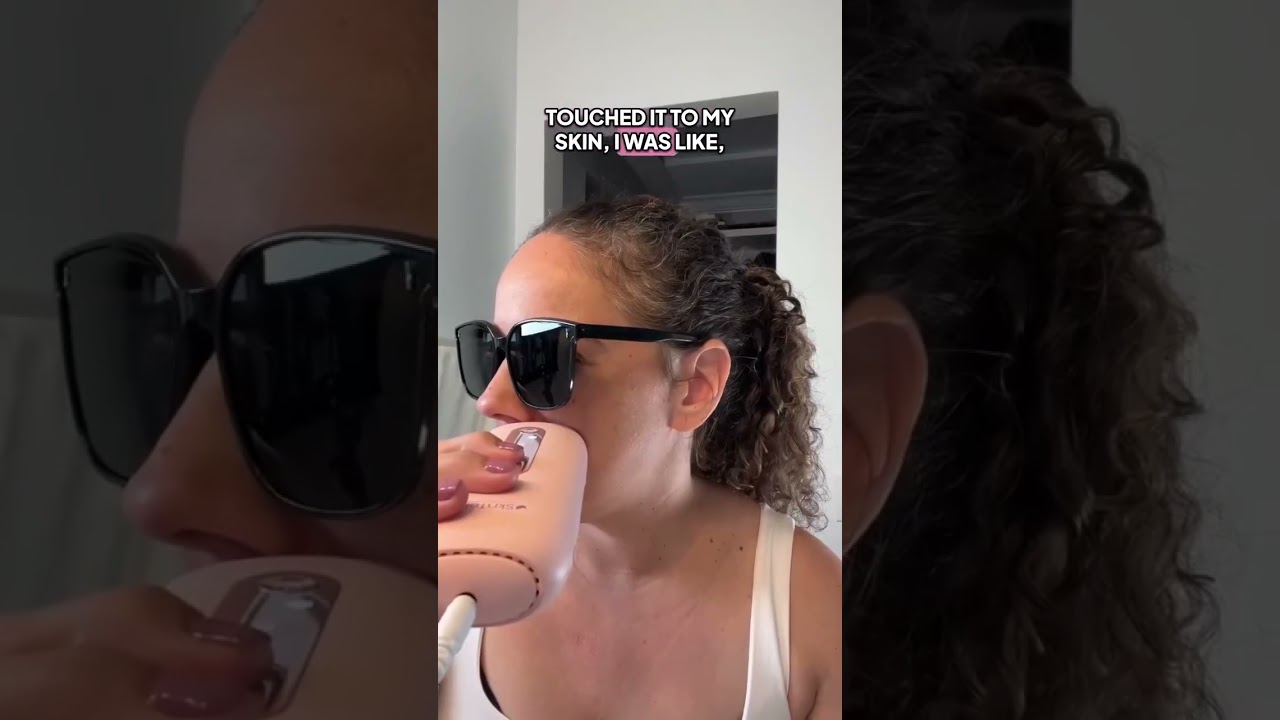
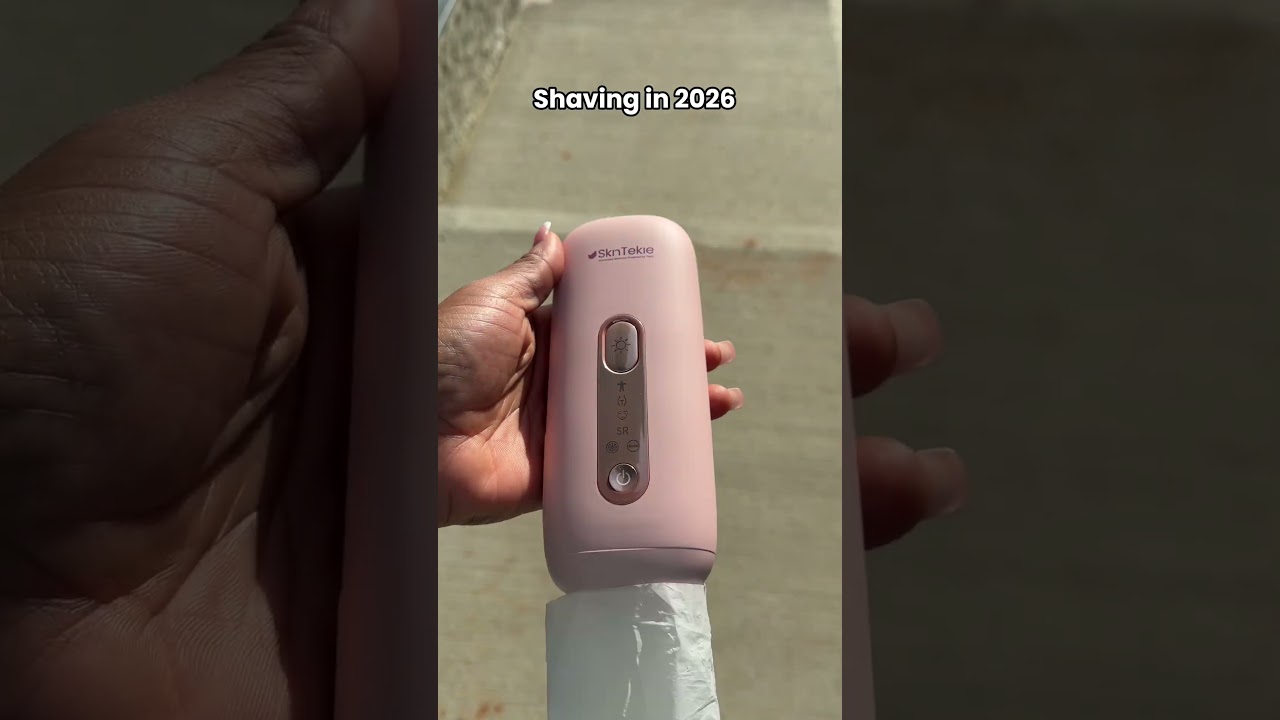
Modern IPL devices like the Skintekie IPL Hair Removal Device include built-in skin tone sensors that automatically detect your skin tone before each flash. This is one of the most important safety features for anyone with medium to dark skin.
The sensor works by measuring the amount of melanin in your skin at the treatment point. Based on this reading, the device automatically adjusts the light intensity to a safe level — or prevents the flash entirely if the skin is too dark for safe treatment. This prevents the device from delivering too much energy to melanin-rich skin, significantly reducing the risk of burns, blistering, or hyperpigmentation.
Without a skin tone sensor, you would need to manually select intensity levels based on a color chart, which introduces the risk of human error. Automatic detection removes this guesswork and provides a consistent safety check with every single pulse.
Safety Tips for Darker Skin Tones
If you have Fitzpatrick Type IV or V skin, these additional precautions will help you use IPL safely and effectively:
- Always start on the lowest setting — Even if your device's skin tone sensor approves a higher level, begin with the minimum intensity for your first 2-3 sessions. This allows you to observe how your skin responds before increasing power.
- Do a patch test first — Treat a small, inconspicuous area and wait 48 hours before proceeding with a full treatment. Look for signs of excessive redness, swelling, blistering, or darkening of the skin.
- Avoid tanned or sun-exposed skin — IPL on recently tanned skin dramatically increases the risk of adverse effects. Wait at least 2-4 weeks after sun exposure, and always use SPF 30+ on treated areas when going outside.
- Never use IPL over tattoos or very dark moles — These areas absorb excessive light energy and can burn or blister regardless of your overall skin tone.
- Space sessions further apart — While lighter skin types can treat every 1-2 weeks, darker skin types may benefit from waiting 2-3 weeks between sessions to allow skin to fully recover.
- Use cooling gel or ice after treatment — Apply aloe vera or a cold compress immediately after treatment to minimize inflammation and reduce the risk of post-inflammatory hyperpigmentation.
- Monitor for changes — Watch for any darkening or lightening of the treated skin between sessions. If you notice persistent discoloration, pause treatment and consult a dermatologist.
The Role of Hair Color in IPL Effectiveness
While skin tone determines safety, hair color determines effectiveness. IPL works best when there is high contrast between the hair and the skin — dark hair on lighter skin provides the ideal target.
For people with dark skin and dark hair, there is less contrast, which means the device must work harder to distinguish between hair melanin and skin melanin. This is where advanced devices with skin tone sensors and optimized wavelength ranges make the biggest difference.
Hair colors that respond best to IPL include black and dark brown hair, which contain the most melanin. Light brown hair shows moderate results and may require more sessions. Blonde, red, gray, and white hair contain very little melanin and generally do not respond well to IPL regardless of skin tone — for these hair colors, alternative methods like electrolysis may be more effective.
Alternatives to IPL for Dark Skin
If your skin tone falls outside the safe range for IPL, or if you've experienced adverse reactions, several alternative hair removal methods work well for all skin tones:
Nd:YAG laser: This professional laser uses a longer wavelength (1064nm) that bypasses the melanin in the upper layers of skin and targets deeper hair follicles. It is the gold standard for laser hair removal on darker skin tones and is available at most dermatology offices and medical spas. While more expensive per session ($200-$500), it offers the highest safety profile for Fitzpatrick Types V and VI.
Electrolysis: This method uses a tiny probe inserted into each hair follicle to deliver electrical current that destroys the growth center. It works on all skin tones and all hair colors (including blonde, red, and gray), making it the most universal permanent hair removal method. However, it is time-intensive since each follicle is treated individually.
Diode laser (810nm): Some professional devices with diode technology can be safely used on darker skin when operated by a trained technician who adjusts settings appropriately. The 810nm wavelength offers a good balance between melanin absorption and penetration depth.
What Results Can Darker Skin Tones Expect from IPL?
When used safely with appropriate settings, people with Fitzpatrick Types IV and V can expect good results from IPL — though they may need more sessions than those with lighter skin. A typical timeline looks like this:
Sessions 1-4: Gradual thinning of hair and slower regrowth. Results may be less dramatic initially compared to lighter skin types because lower intensity settings are used for safety.
Sessions 5-8: Noticeable hair reduction becomes apparent. Hair grows back finer, lighter, and sparser. Many users report 50-60% reduction by this point.
Sessions 9-12: Significant hair reduction with only sparse regrowth. Maintenance treatments every 4-8 weeks keep the area smooth.
Patience and consistency are key. Because darker skin types typically use lower intensity settings for safety, each individual session may be slightly less aggressive — but the cumulative effect over 10-12 sessions still delivers meaningful, long-lasting results.
The Bottom Line
IPL hair removal can work for many people with darker skin tones, but it requires the right device, proper settings, and additional safety precautions. A device with a built-in skin tone sensor like the Skintekie IPL is essential — it automatically prevents treatment at unsafe intensity levels and adjusts power to match your specific skin tone. If you're Fitzpatrick Type IV or V, start slow, patch test first, and be consistent with your treatment schedule. For Type VI skin, professional Nd:YAG laser treatment is the safest option for long-term hair reduction.